Written scope
What we will do, before we start
If your old fan wobbles, hums, or quit entirely, our team handles Ceiling Fan Installation Citrus Heights CA homeowners can count on. We mount fans on rated boxes, wire them to code, and balance every blade before we leave. Whether you need ceiling fan replacement Citrus Heights wide or a first-time install in a bedroom, we get it spinning quiet and steady in one visit.
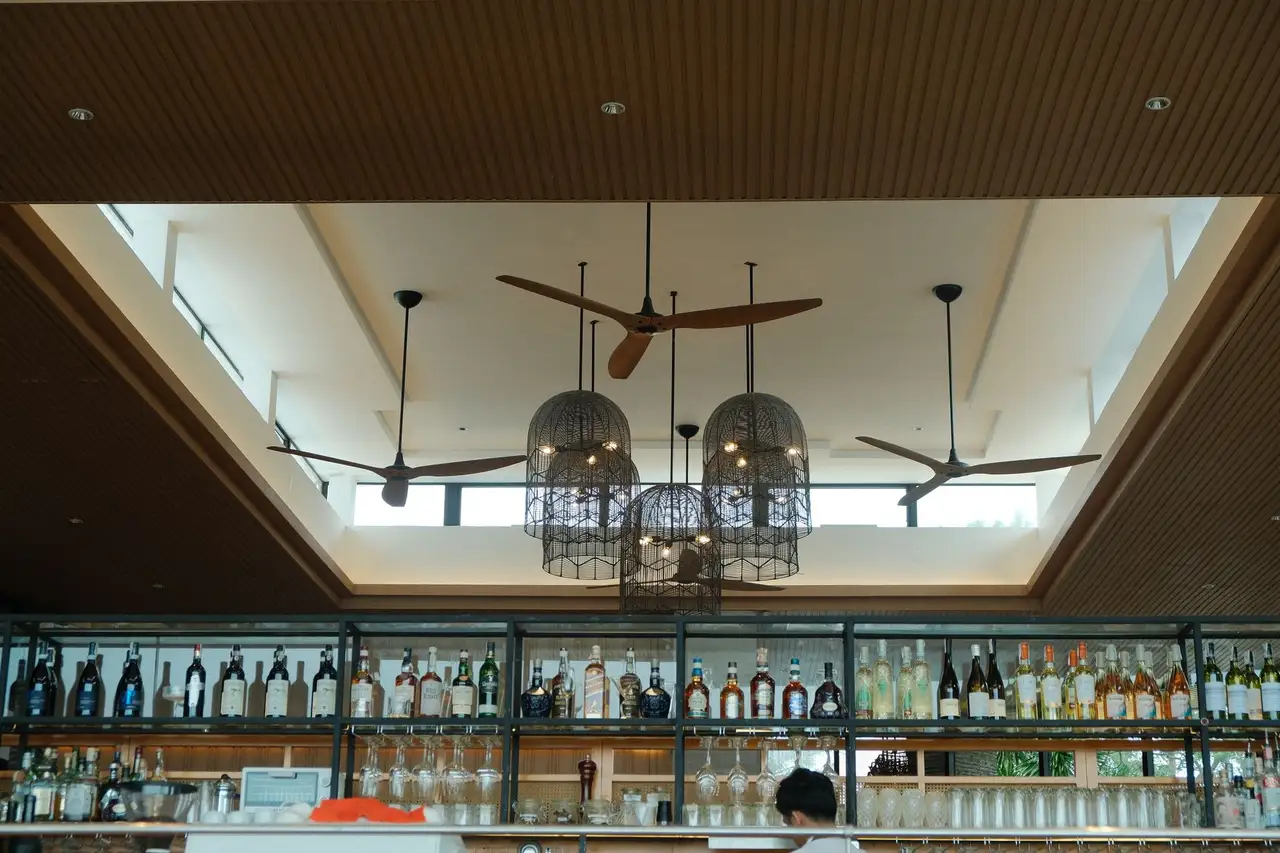
Every ceiling fan install includes the core work needed to make the fan safe and functional. If your job needs something beyond this list, we tell you before we start and price it clearly. No surprise add-ons at the end.
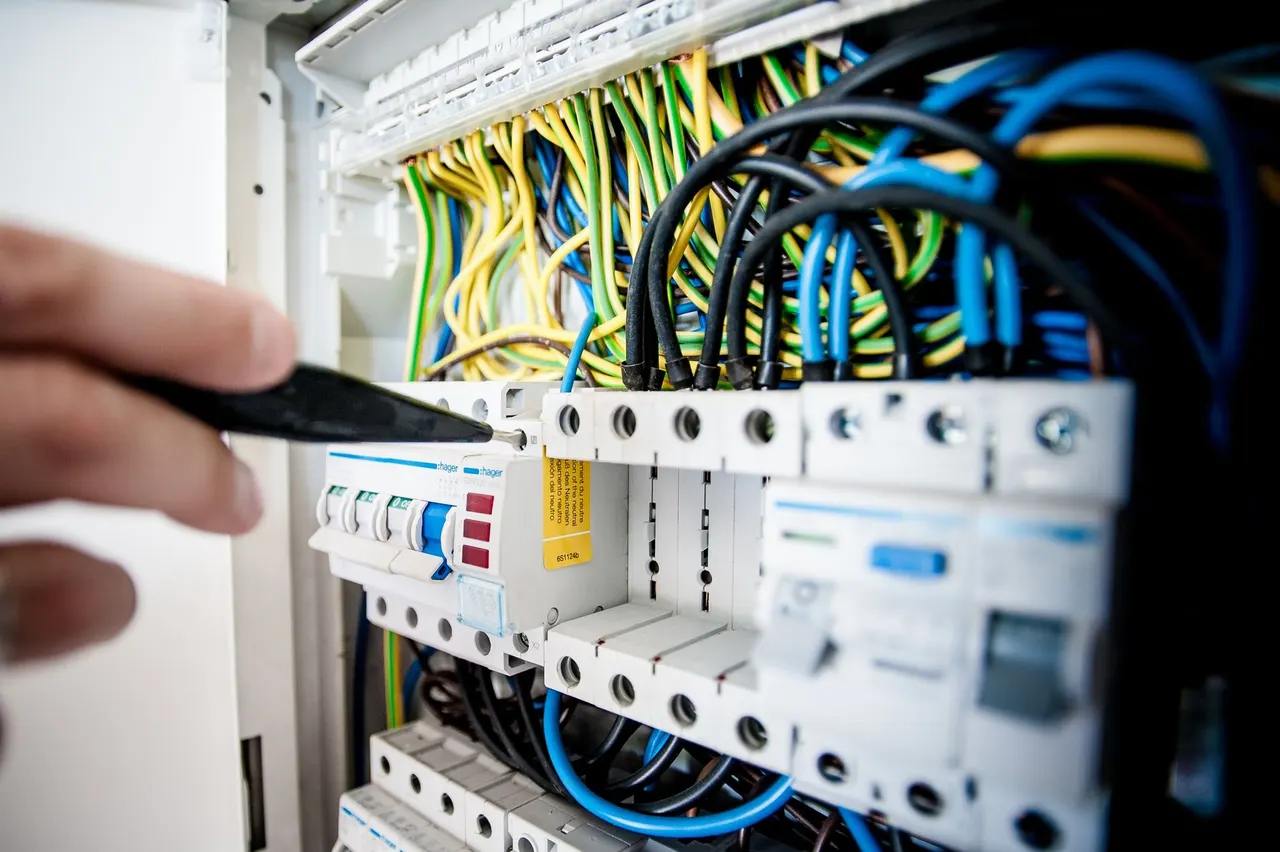
We install and replace ceiling fans in bedrooms, living rooms, and patios across Citrus Heights. Every install includes a box rating check and a circuit load test before the fan goes up.
We handle fan installs for rental properties, small offices, and retail spaces in Citrus Heights. Property managers get one invoice for multiple units and a clean walkthrough at the end.
Ceiling Fan Installation Citrus Heights CA is the electrical trade work of mounting a fan to a fan-rated box, connecting its wiring to a switched circuit, and balancing the blades so the motor runs quiet. It is not just hanging a fixture. The box has to hold the fan's dynamic load, the wiring has to match the motor's amperage, and the circuit has to handle the added draw without tripping. We check all three before a single screw goes in.
Citrus Heights summers push past 100 degrees, and most homes here run ceiling fans from May through October. That is a lot of runtime on motors that were never balanced right. When a fan starts clicking or the pull chain stops working, we get calls from Twin Oaks and Mesa Verde almost daily. If you are searching for ceiling fan repair near me Citrus Heights, we also diagnose and fix fans rather than pushing a full replacement when a capacitor or switch is the real problem.
A ceiling fan is only as safe as the box and circuit behind it.
Every install follows the same five steps, whether it is a simple swap or a new circuit run. Here is exactly what happens from the moment you call.
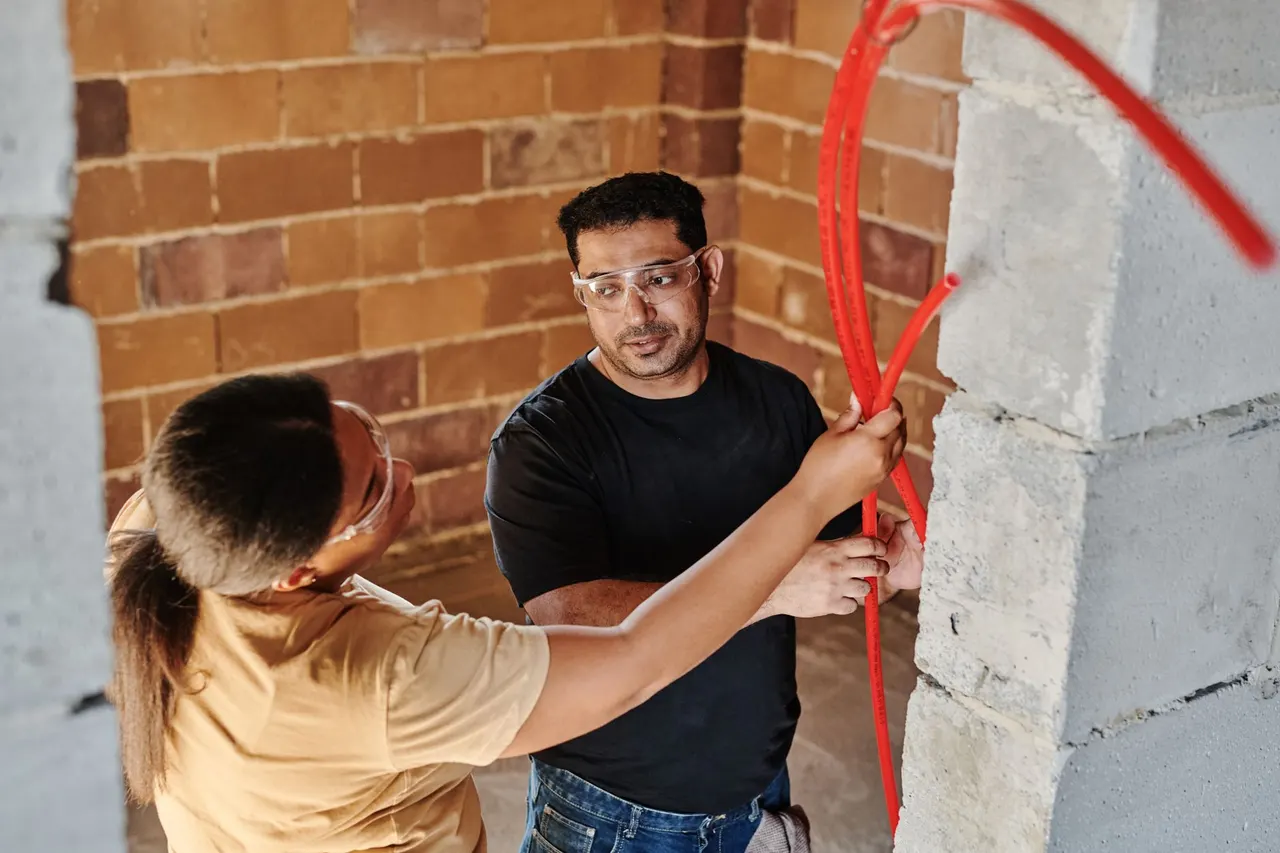
We ask what kind of fan you have, how high the ceiling is, and whether there is already a fixture or switch in place. That tells us whether this is a straight swap or a new circuit. You get a clear price range on the call, not a surprise later. Most calls take five minutes.
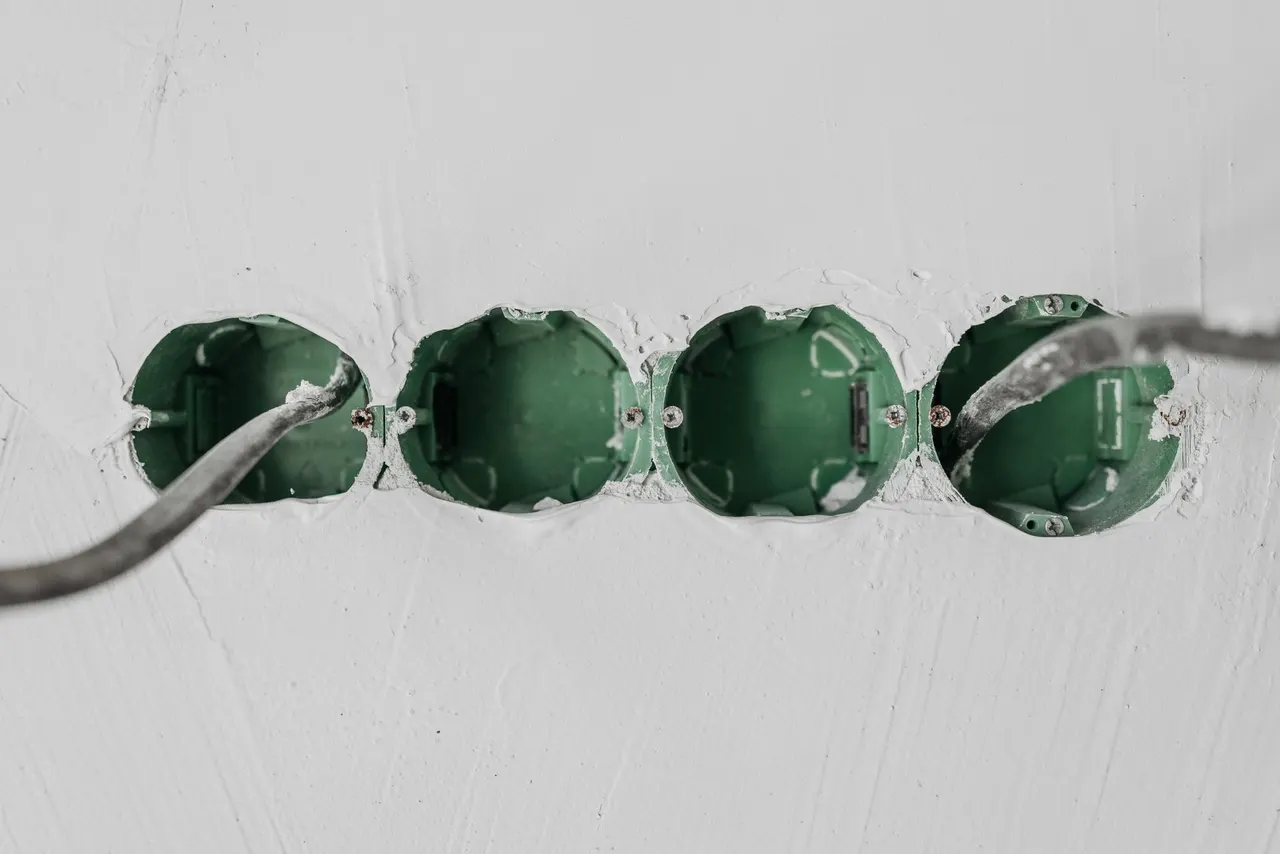
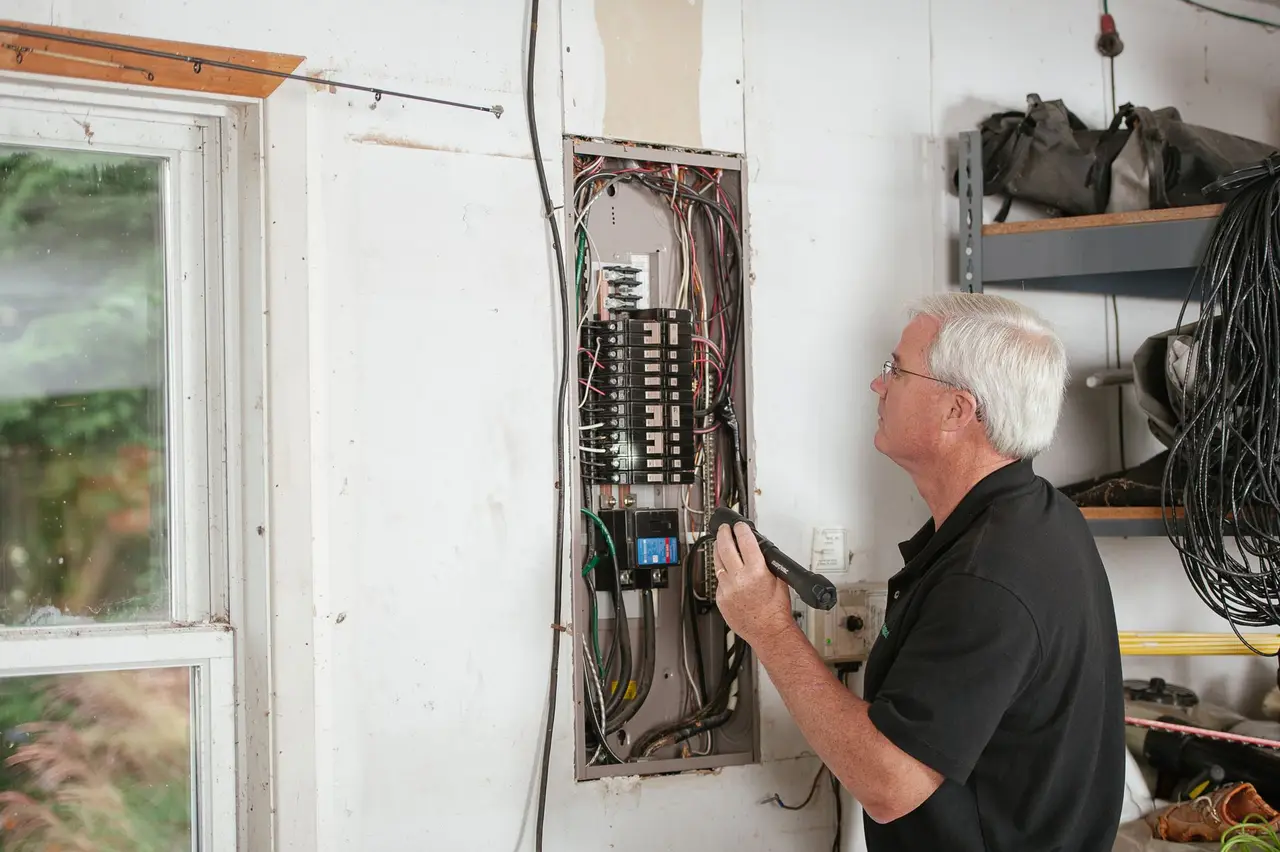
Our electrician checks the existing box, the switch leg, and the circuit amperage with a voltage tester and clamp meter. If the box is not fan-rated, we replace it. If the circuit is already loaded, we tell you before we start. This step takes about 15 minutes and prevents callbacks.
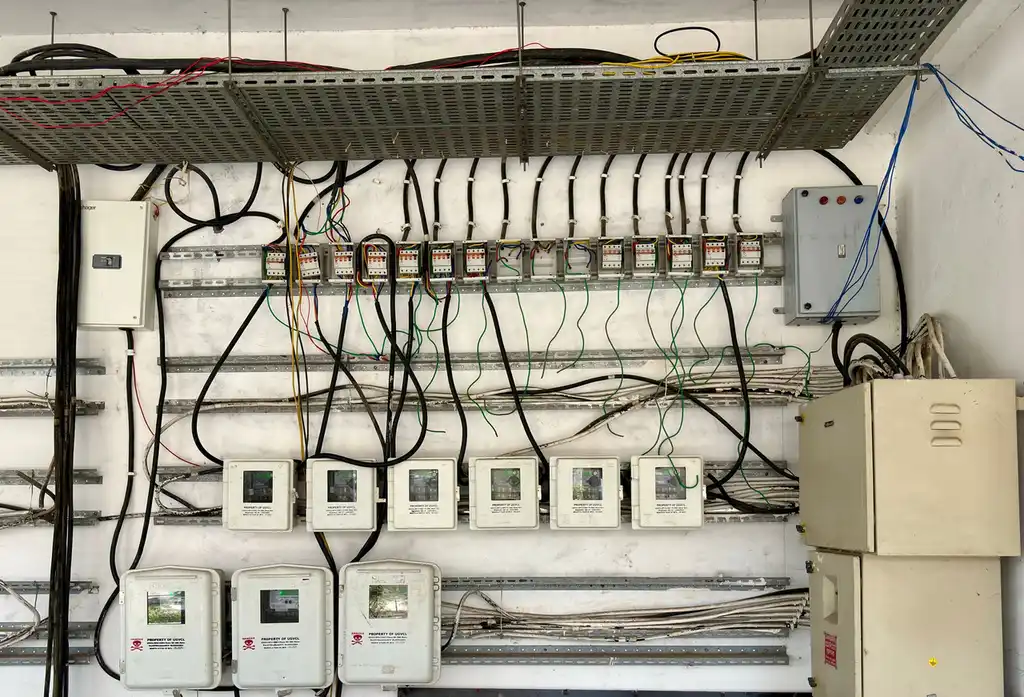
We install or verify the fan-rated box, pull the wiring, and mount the fan bracket. Then we make the connections with correctly sized wire nuts and secure everything with a fish tape where needed. This is the bulk of the job and usually runs 60 to 90 minutes for a standard install.
We attach the blades, torque them evenly, and run the fan through every speed. If it wobbles, we add balancing weights until it runs smooth. We also test the light kit, the pull chains, and any remote. You see it running quiet before we pack up.
We wipe down the work area, haul away the old fan if you want, and walk you through the controls. You get a plain explanation of which breaker controls the circuit and what to do if the fan ever starts acting up. Total time on site is usually two to three hours.
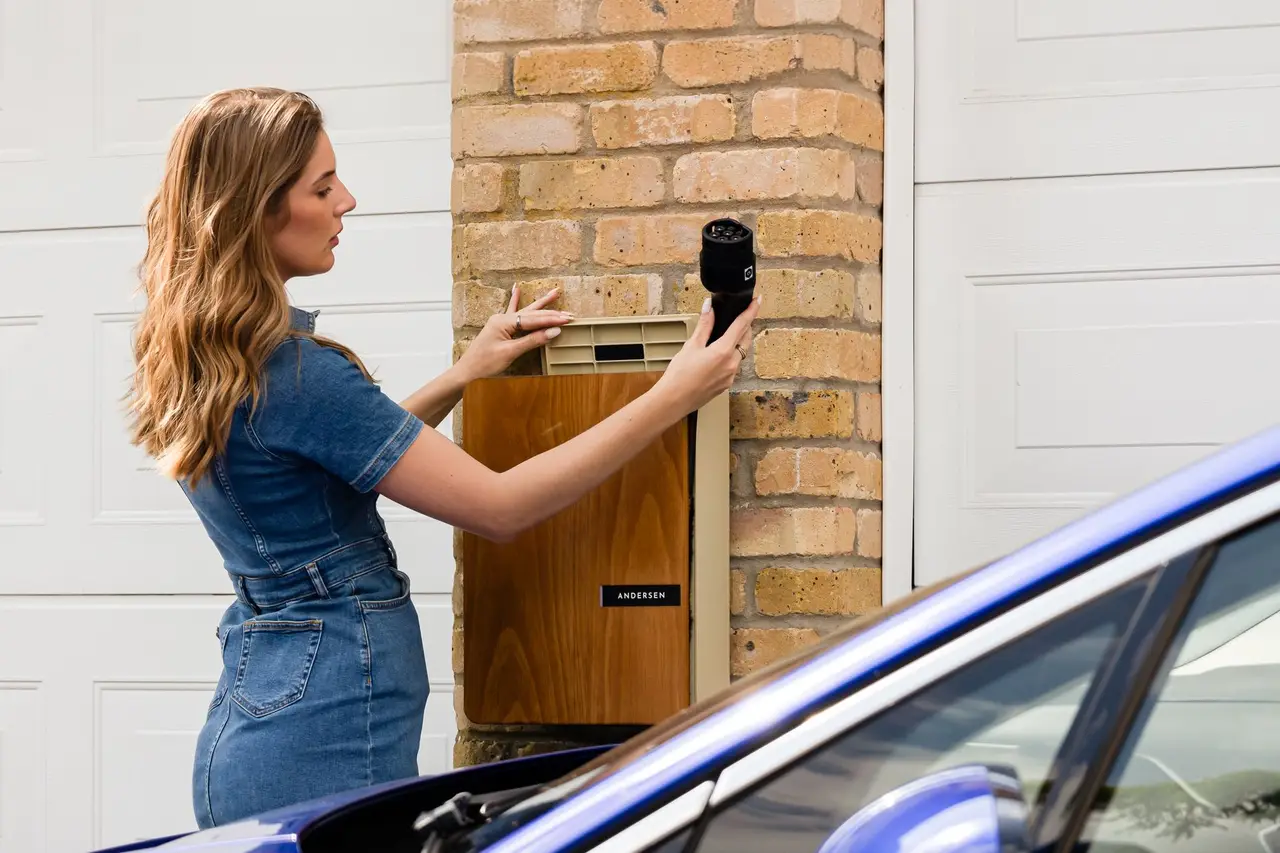
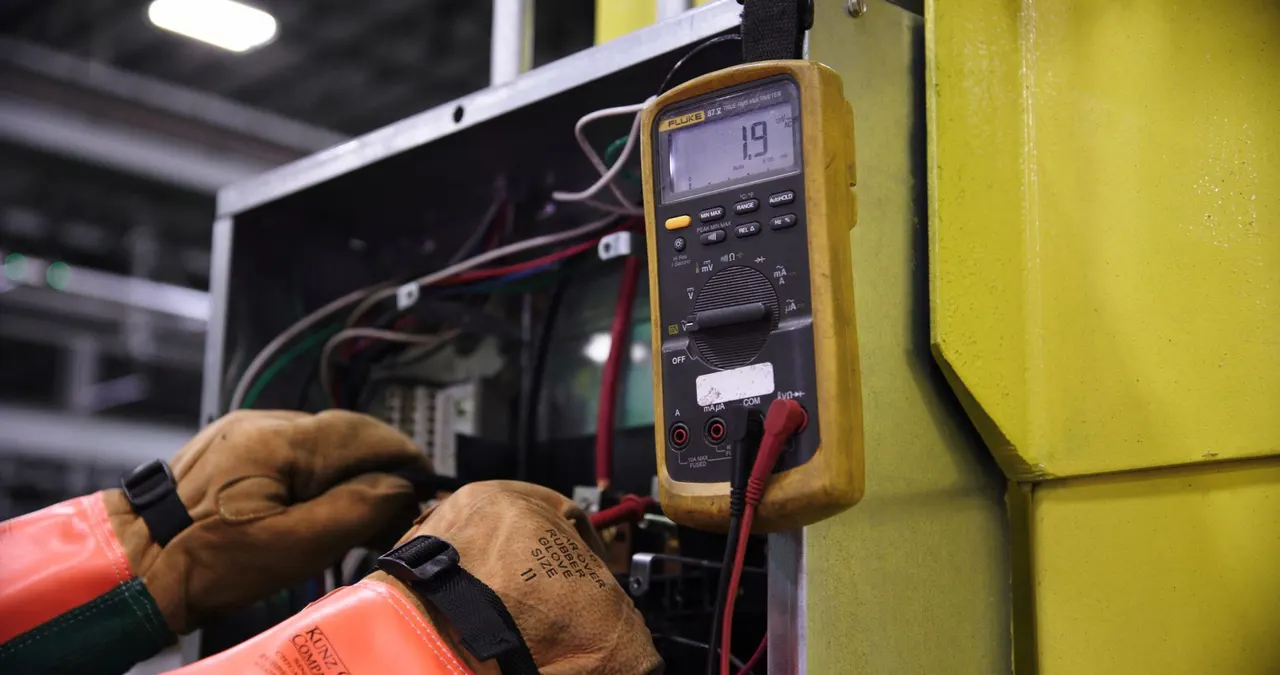
We confirm the circuit is dead before we touch a wire, then verify it is live again after we reconnect. Every install starts and ends with this tool.

We measure the fan motor's running and starting amperage to confirm the circuit can handle the load. If the draw is too high, we address it before the fan goes up.
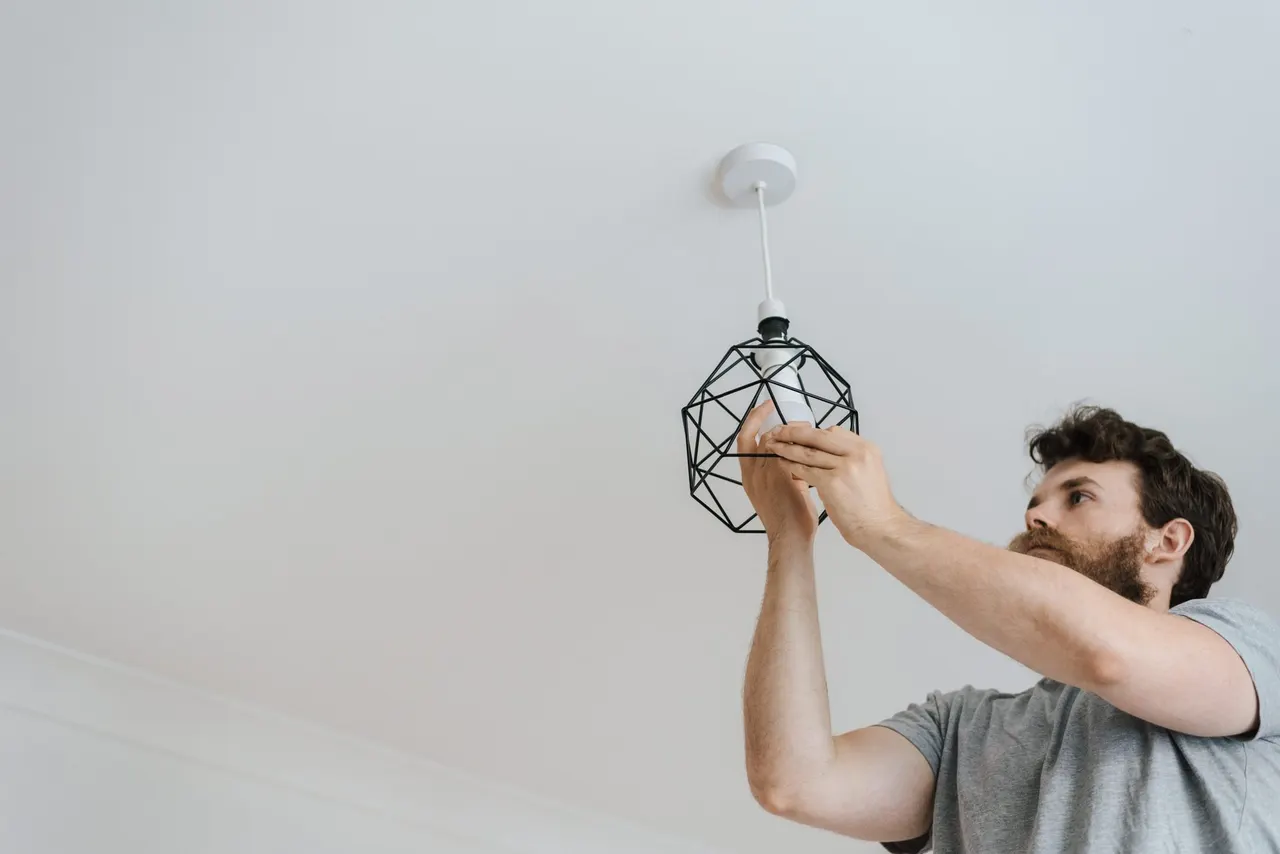
Used when we need to open the ceiling for a new fan-rated box or run a new circuit. Clean cuts mean less patching and a better finished look.
The standard residential wiring we pull for new fan circuits. We size it to the circuit amperage and secure it with cable staples along the run.
Lets us pull wire through finished walls and ceilings without tearing out drywall. Essential for adding a switch or running a new circuit in an existing home.
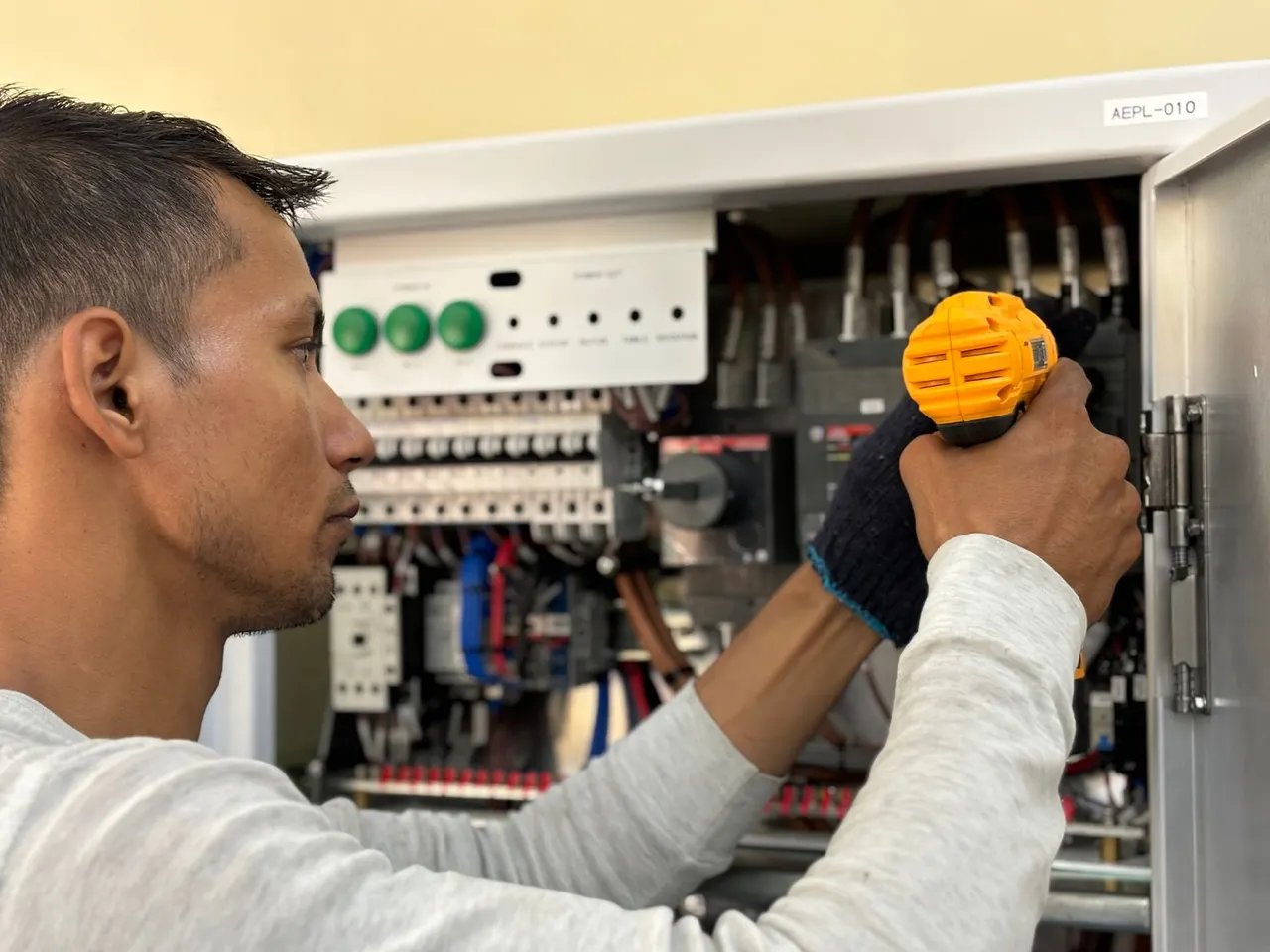
We identify exactly which breaker controls the fan circuit before we start, so we do not shut off the wrong circuit or leave you without power in another room.
We install only boxes listed and labeled for ceiling fan support, typically rated for 35 to 70 pounds. This is the single most important step in preventing a fan from pulling loose. We verify the rating before mounting anything.
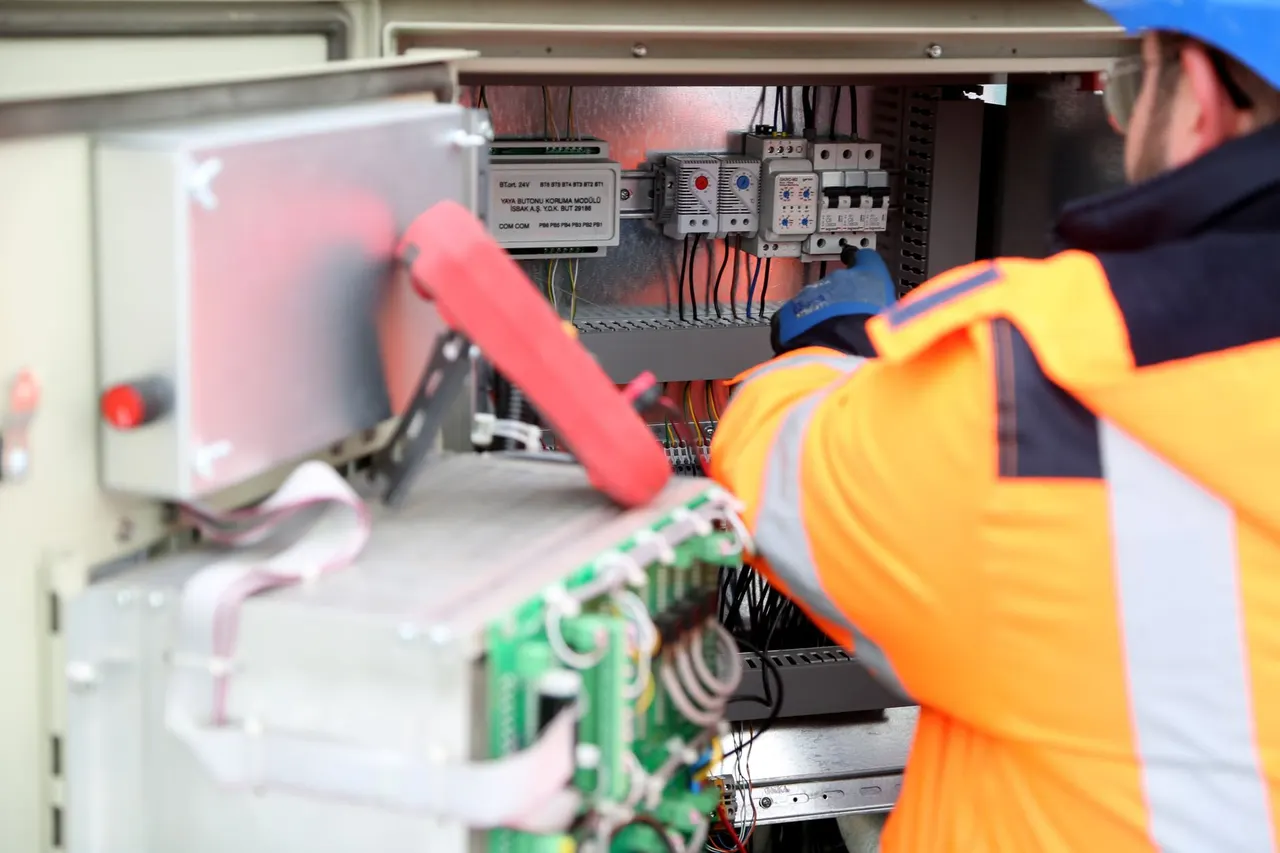
Current NEC requirements call for AFCI protection on many residential circuits. If your fan circuit needs it, we install an AFCI breaker or receptacle. This protects against arc faults that can start fires behind the drywall.
We schedule a same-day or next-day visit, confirm the existing box is fan-rated, and install a new fan with a light kit. If the old box is not rated, we swap it during the same visit. The bedroom is cool again within 24 hours, and the new fan runs quieter than the old one ever did.
We run a circuit to the patio, install a damp-rated fan-rated box, and mount an outdoor ceiling fan with a wall switch inside. We seal the penetration to keep water out. The patio becomes usable in the evening, and the fan is rated for outdoor moisture instead of failing in a season.
We measure the ceiling height, order the correct downrod length, replace the box with a fan-rated unit, and rebalance the fan. We also check the switch leg for loose connections. The fan hangs at the right height, runs smooth, and moves air where it is needed instead of near the ceiling.
We schedule all three units in one afternoon, install fan-rated boxes in each, and mount new fans with remotes. We haul away the old fans and leave the units clean. The units are ready for move-in, and the property manager has one invoice instead of three separate service calls.
Citrus Heights homes were mostly built between the 1950s and the 1990s, and that building stock shapes how we approach every install. Older ranch homes in Birdcage Heights often have ceiling boxes that were never rated for a fan, so we replace the box as part of the job. Newer builds in Crosswoods sometimes have vaulted ceilings that need a longer downrod and a different mount. Summer heat here pushes past 100 degrees, which means fans run hard for five months straight. We size the box and check the circuit with that duty cycle in mind. If you need install ceiling fan Citrus Heights CA residents can rely on through a full summer, we build the install for the load, not just for the day. We also work with Sacramento County code requirements, including AFCI protection on new circuits and proper grounding on every fan. Most of our installs are done in a single visit, and we schedule around your day, not ours.
A homeowner in Twin Oaks had a bedroom fan that wobbled so badly it rattled the light fixture. The existing box was a standard light box, not fan-rated, and the blades had never been balanced. The fan had been that way for two years.
We replaced the box with a fan-rated unit, rebalanced the blades, and torqued the mounting screws. The fan now runs smooth at all three speeds with no rattle. Total time on site was about two hours, and the homeowner noticed the difference immediately.
Check blade screws once a year and dust the blades regularly. If you notice a new wobble, tighten the blade screws before assuming the fan is failing.
A Crosswoods homeowner had an outdoor fan on the patio that quit after two seasons. The fan was not damp-rated, and the box was not sealed against moisture. Water had gotten into the connections and corroded them.
We installed a damp-rated outdoor fan on a sealed fan-rated box, ran a new switch leg inside, and sealed the ceiling penetration. The new fan has run through two summers without issue, and the patio is usable in the evening again.
Wipe down outdoor fan blades each spring and check the ceiling seal once a year. If you see water staining near the box, call before the next rainy season.
A property manager needed three ceiling fans replaced between tenants in a Downtown Citrus Heights duplex. Two of the fans had been installed on light-rated boxes, and one had a loose neutral that caused flickering.
We installed fan-rated boxes in all three units, replaced the fans, and fixed the loose neutral at the switch. All three units passed a load test, and the property manager had no tenant complaints after move-in. The job was done in one afternoon.
For rentals, have fans checked at each turnover. A two-minute blade and screw check prevents most of the calls we get from tenants.
Most ceiling fan calls fall into a handful of categories. Here is what we see most often and how we handle it.
We check the box rating first, then balance the blades and torque the mounting hardware. If the box is not fan-rated, we replace it. Most wobble complaints are solved with a box upgrade and proper blade balancing in a single visit. A wobbling fan wears out its bearings, loosens its mounting screws, and can eventually pull free from a box that was never rated for the load. It also makes noise you hear every night.
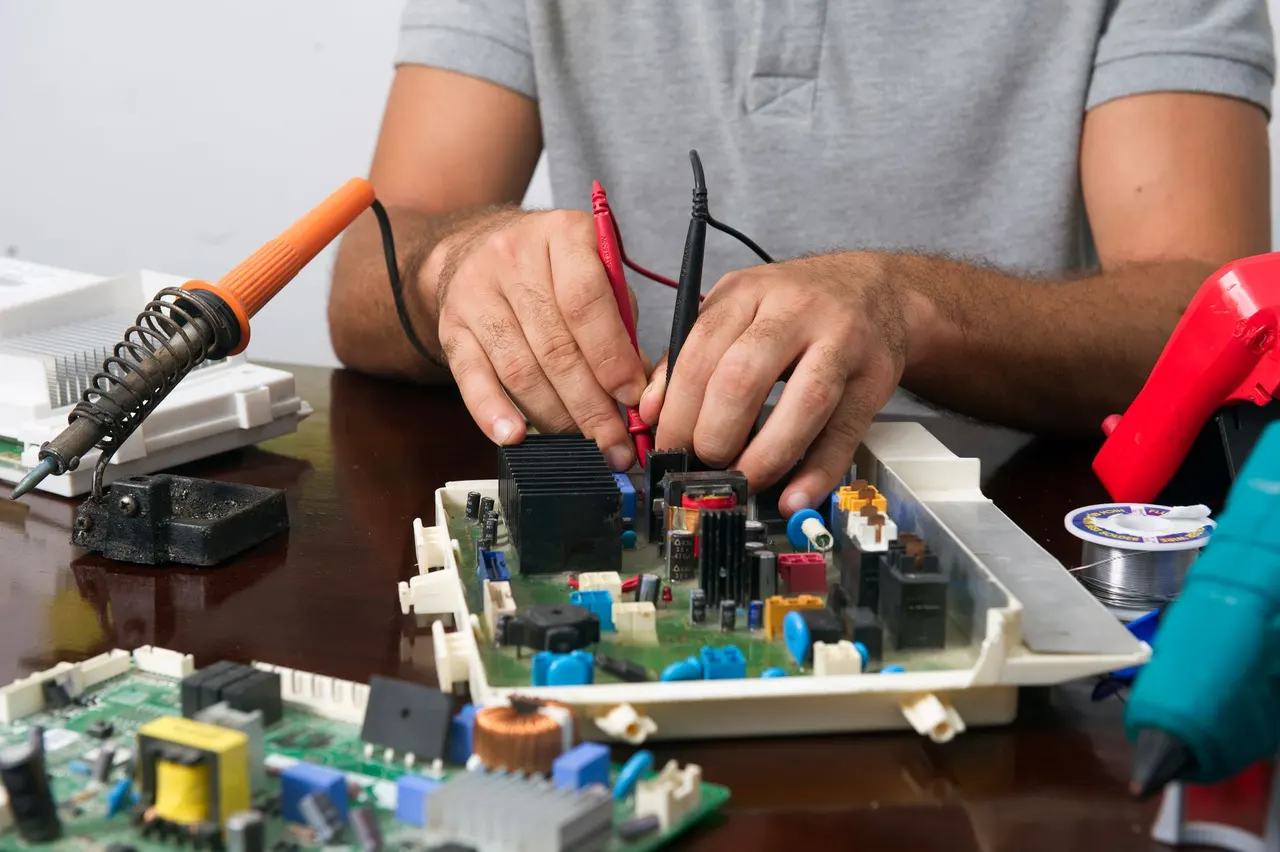
We test the capacitor and the switch with a multimeter. If the capacitor is bad, we replace it for a fraction of the cost of a new fan. If the motor is failing, we tell you honestly and quote a replacement. A humming fan usually means a failing capacitor or a loose connection. Left alone, the motor draws more current, heats up, and can trip the breaker or fail entirely. It is also just annoying.
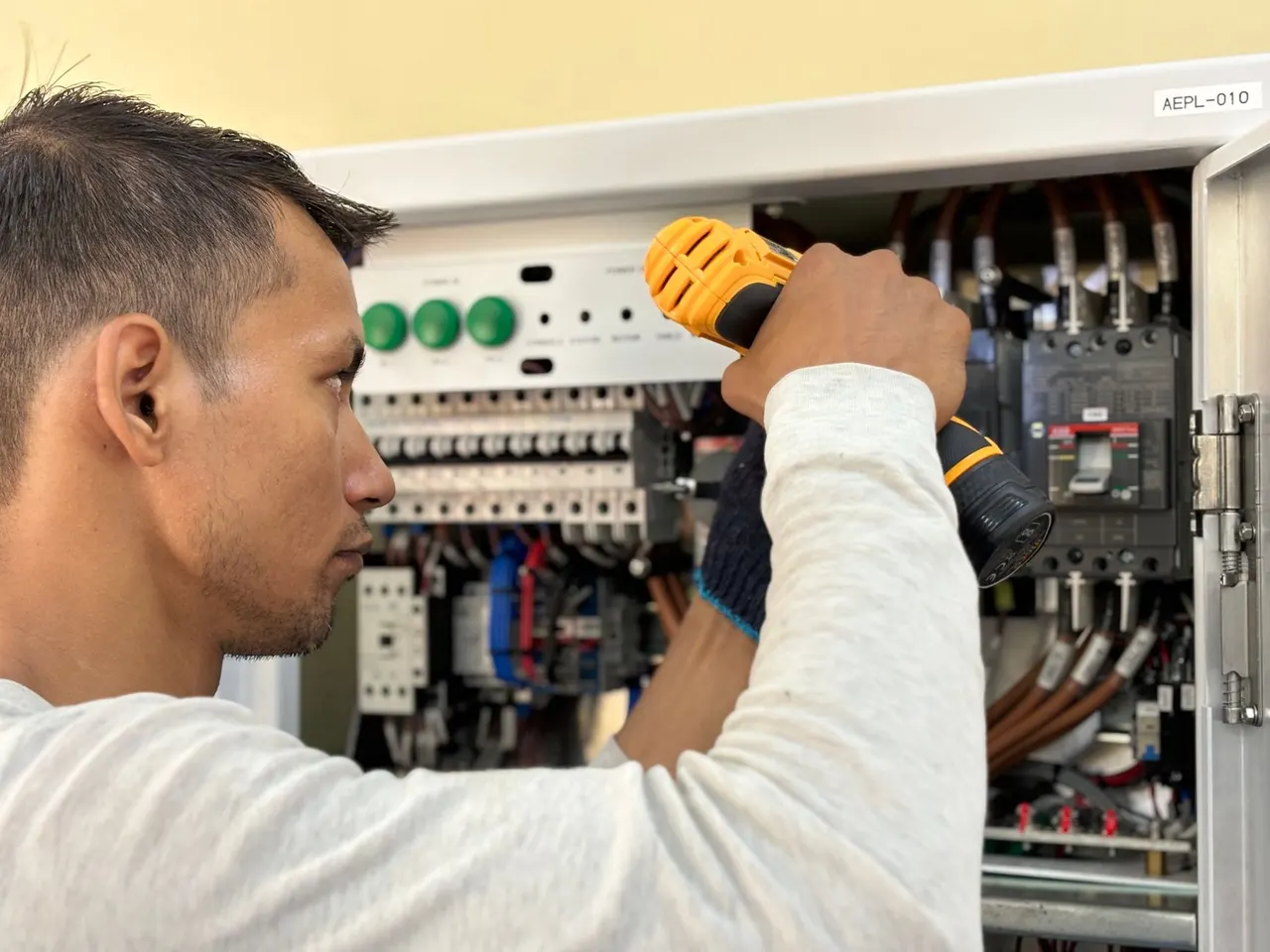
We isolate the circuit, test the breaker, and check the wiring at the switch and the fan. Often the fix is a new breaker or a dedicated circuit for the fan. We confirm the circuit holds under the fan's starting current before we leave. A breaker that trips every time the fan starts points to a wiring fault, an overloaded circuit, or a weak breaker. Ignoring it means the fan is unusable and the underlying fault stays hidden.
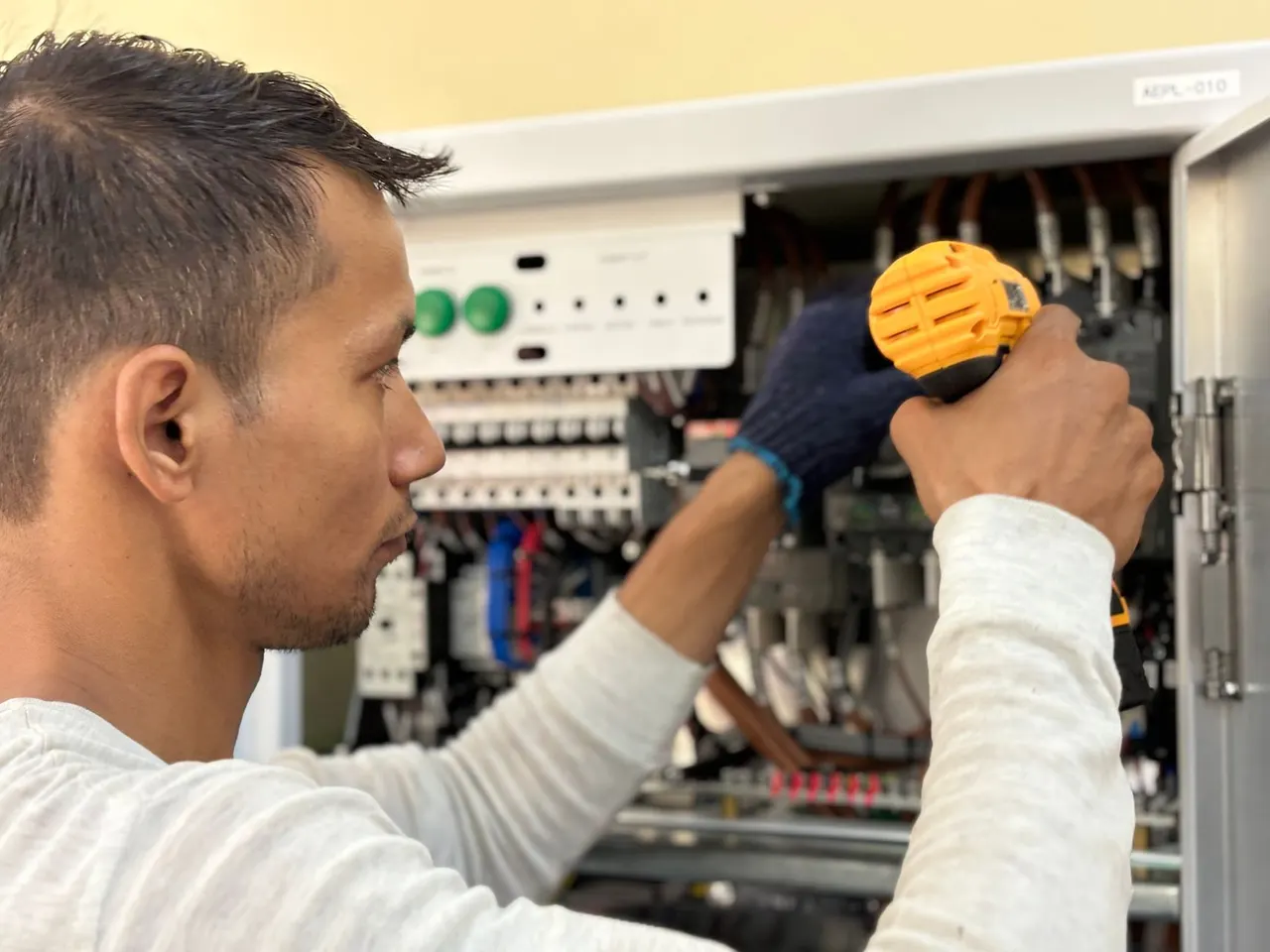
We run the circuit from the panel or tap an existing switched leg if capacity allows, install a fan-rated box, and mount the fan. We handle the drywall access cleanly and patch what we open. Most new-circuit installs finish in one day. Adding a fan where there was only a light, or where there was nothing at all, means running a new circuit and installing a fan-rated box. This is more work than a swap but very common in older Citrus Heights homes.
We balance every blade set and torque the mounting screws to spec, so you get airflow instead of a hum. A fan that wobbles wears out its bearings in a year or two. One that is balanced right runs for a decade. We use a clamp meter to confirm the motor is drawing its rated amperage before we call the job done.
We pull Romex NM-B cable through a fan-rated box, land the grounds properly, and use wire nuts sized for the conductor. If your circuit needs an AFCI breaker to meet current NEC requirements, we handle that too. No taped splices, no undersized wire, no guessing. Your install passes inspection the first time.
Most standard ceiling fan installs take two to three hours, so we can often fit you in the same day you call. If you need same-day Ceiling Fan Installation Citrus Heights CA before a heat wave, call early and we will tell you honestly what is open. No runaround, no vague windows.
Patio fans and vaulted-ceiling installs need different hardware than a standard bedroom fan. We carry downrods, damp-rated fans, and the right boxes for outdoor ceiling fan installation Citrus Heights CA patios need. If your ceiling is 12 feet or higher, we bring the right ladder and the right mount.
Clear records you can keep and share.
What we will do, before we start
Circuit amperage confirmed before install
Old fan hauled away, floor swept
The two things that matter most are the box rating and the circuit capacity. Everything else, from blade balance to remote pairing, follows from getting those two right.
A fan needs a box rated for its dynamic load. A standard light box is not rated for a fan. We check this before mounting anything.
A fan motor draws more current at startup than a light fixture. We measure the circuit load to confirm it can handle the fan without tripping.
A balanced fan runs quiet and lasts longer. We torque the blades evenly and add weights if needed. You hear the difference on the first run.
Outside these areas? Call and ask, we may still reach you. (866) 273-0386
Most standard ceiling fan installs in Citrus Heights run $180 to $450 in 2026, depending on ceiling height and whether the existing box is fan-rated. A straight swap on an 8-foot ceiling sits at the low end. Vaulted ceilings, new circuit runs, or outdoor fans push toward the higher end. We give you a range on the phone before we schedule.
You can, but the two things that go wrong most often are the box rating and the wiring. A fan on a light-rated box can pull loose over time. Wiring a fan to a dimmer switch or a shared circuit can cause flickering or tripped breakers. If you are not sure the box is fan-rated, have an electrician check it. That check takes 15 minutes.
A standard ceiling fan install takes two to three hours from arrival to cleanup. That includes inspection, mounting, wiring, blade attachment, and balancing. If we need to run a new circuit or replace the box, add another hour. Outdoor fans and high-ceiling installs with a downrod usually run three to four hours.
Yes. Ceiling fans require a box listed and labeled for fan support, typically rated for 35 to 70 pounds depending on the fan. A standard light box is not rated for the dynamic load a fan creates. If your existing box is not fan-rated, we replace it during the install. That is included in our standard pricing.
Call us and we will give you a price range on the phone, then schedule a time that works. Most installs are done in a single visit, and we clean up before we leave. If your fan is wobbling or dead, we can fix it or replace it.
Call us at (866) 273-0386 or send an email to info@grayandsonselectrical.com. We answer the phone during business hours and triage emergency calls after hours. Most repair jobs get scheduled same-day or next-day, and panel work gets a written quote before we order anything.