Written scope
Fixture count, circuit plan and total price
When you need Lighting Installation & Repair Citrus Heights CA homeowners can count on, we handle everything from a single flickering fixture to a full recessed lighting layout. Our electricians work on older Citrus Heights homes and newer builds alike, tracing circuits, checking connections and installing fixtures that pass inspection. Call (866) 273-0386 and we will schedule a visit that fits your day.
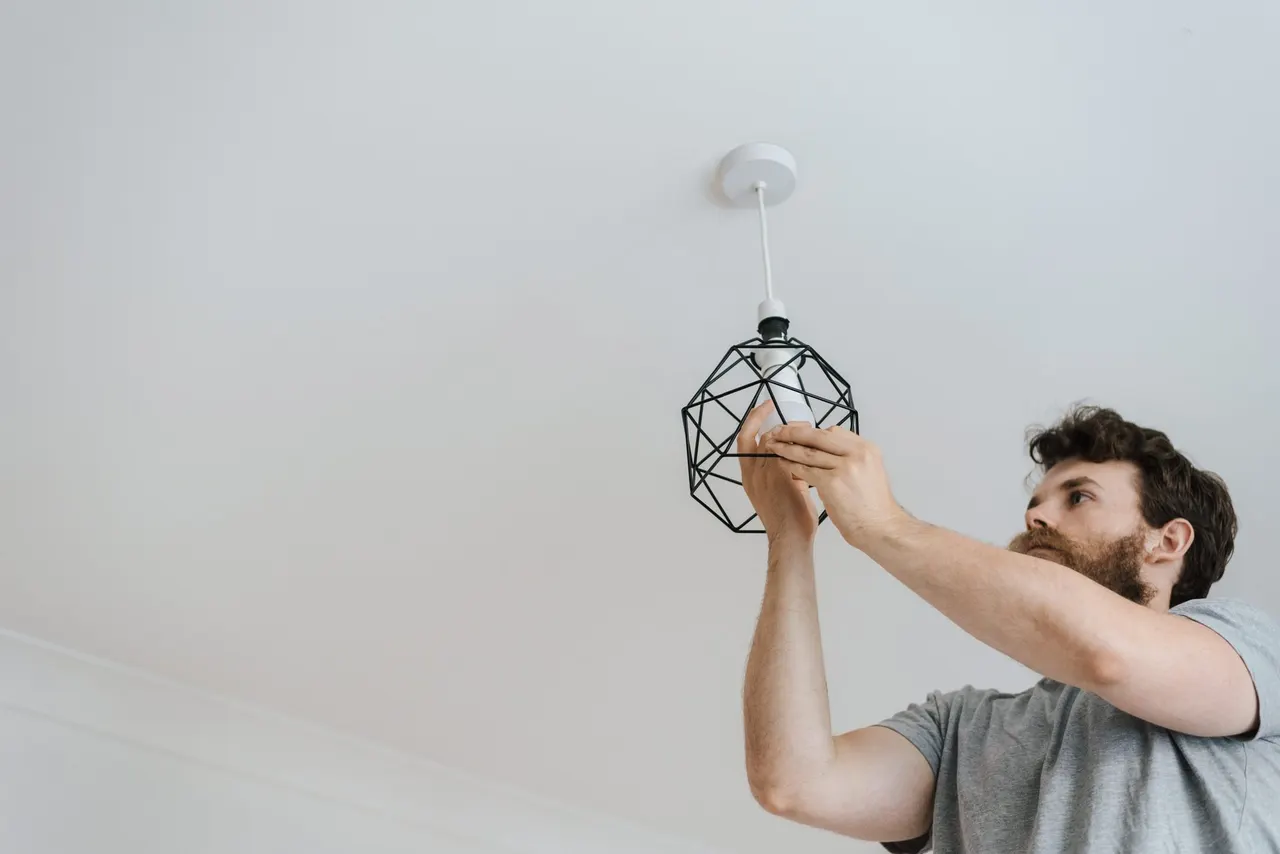
Every lighting job starts with a circuit check and ends with a full test. The list below covers what is standard on our installs and repairs. If you want something beyond this, like a panel upgrade to support new circuits, we quote that separately before we start.
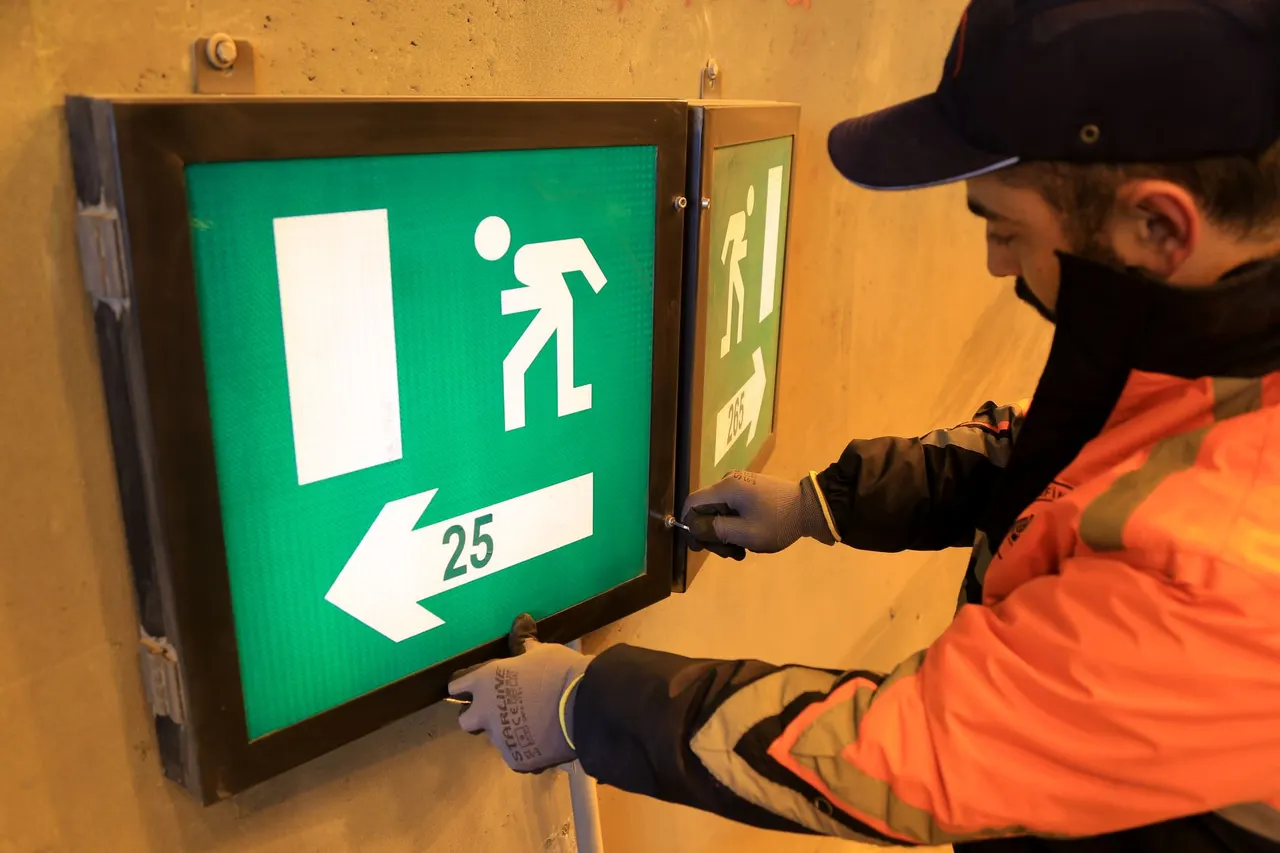
We install and repair lighting in houses, condos and rentals across Citrus Heights. Whether you own the home or rent it, we leave the space clean and the lights working.
We handle lighting for small offices, retail spaces and multi-unit properties in Citrus Heights. Work is scheduled around your hours so business keeps running.
Lighting Installation & Repair Citrus Heights CA covers the full range of fixture work: hanging a new chandelier over a dining table, cutting in six-inch recessed cans across a kitchen ceiling, replacing a failed dimmer, or chasing down a circuit that keeps tripping when the hallway lights come on. We pull the right wire, match the load to the breaker, and test every switch leg before we close up the wall. Most single-fixture jobs take two to four hours; a full room of recessed lighting runs a full day.
Citrus Heights has a lot of 1960s and 1970s ranch homes with aluminum wiring, undersized junction boxes and switch loops that were never meant to carry modern LED loads. We see flickering lights, warm switch plates and dead outlets on the same circuit almost every week. If you are searching for lighting repair Citrus Heights CA because your kitchen lights pulse every time the microwave kicks on, that is usually a loose neutral or a shared circuit, and it is worth fixing before it damages a fixture.
We trace the circuit first, then install lighting that holds up to Citrus Heights heat and rain.
You get a clear plan before anyone touches a wire. Here is the sequence from your first call to the final walkthrough, with realistic timing for each step.
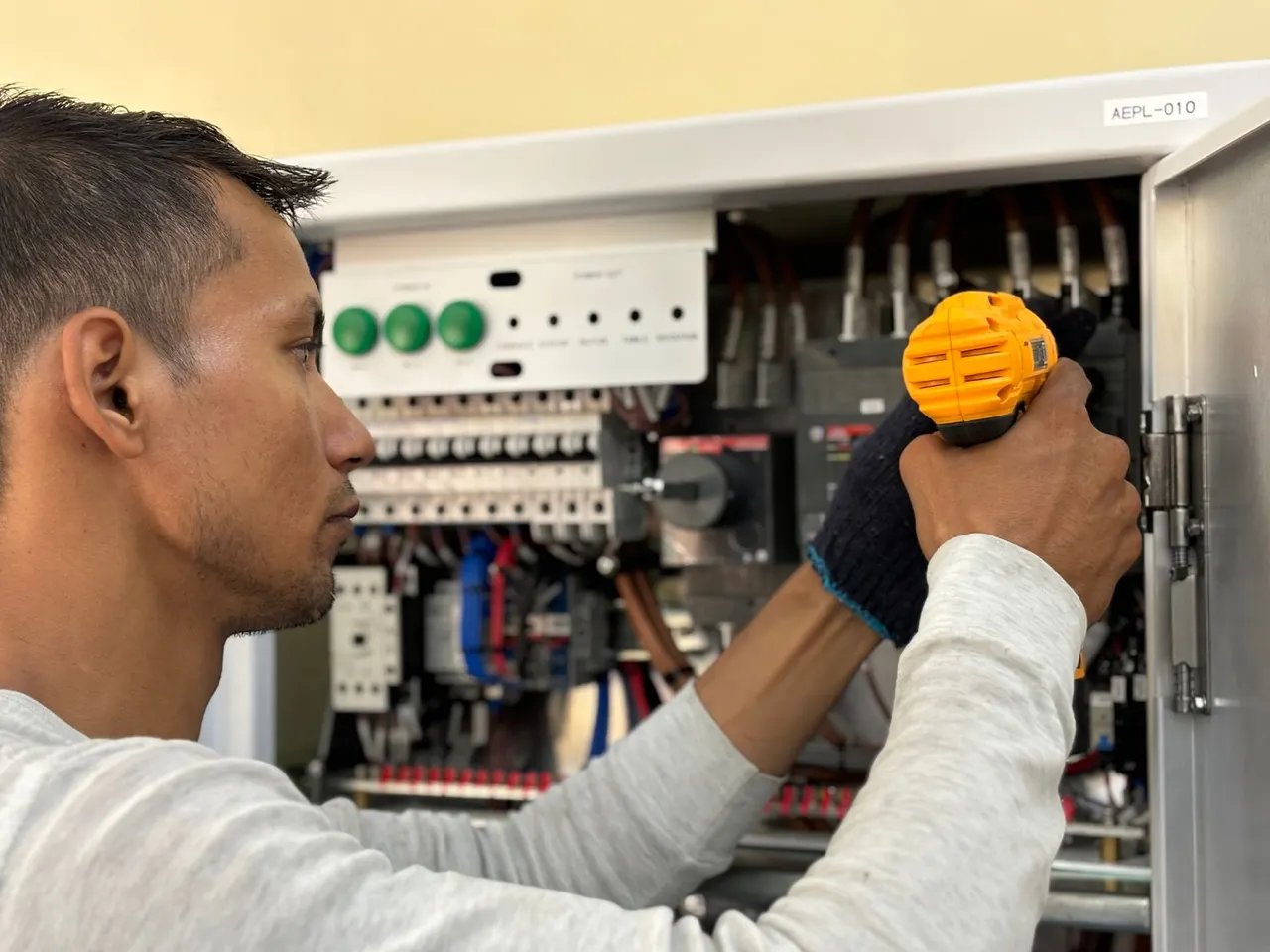
We ask what is flickering, what you want installed, and how old the home is. That five-minute call tells us whether to bring a fish tape and hole saw or a full recessed lighting kit. You get a two-hour arrival window, not a vague all-day promise.

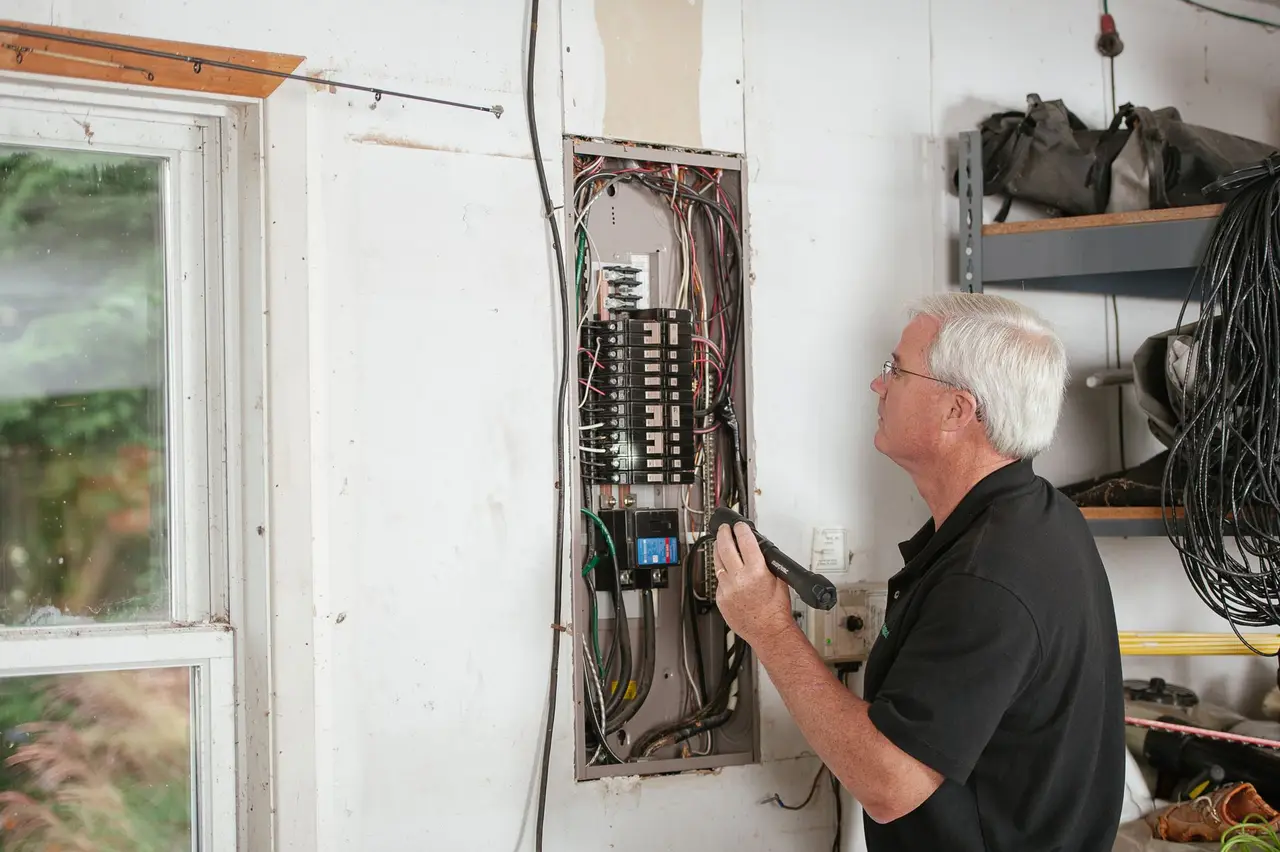
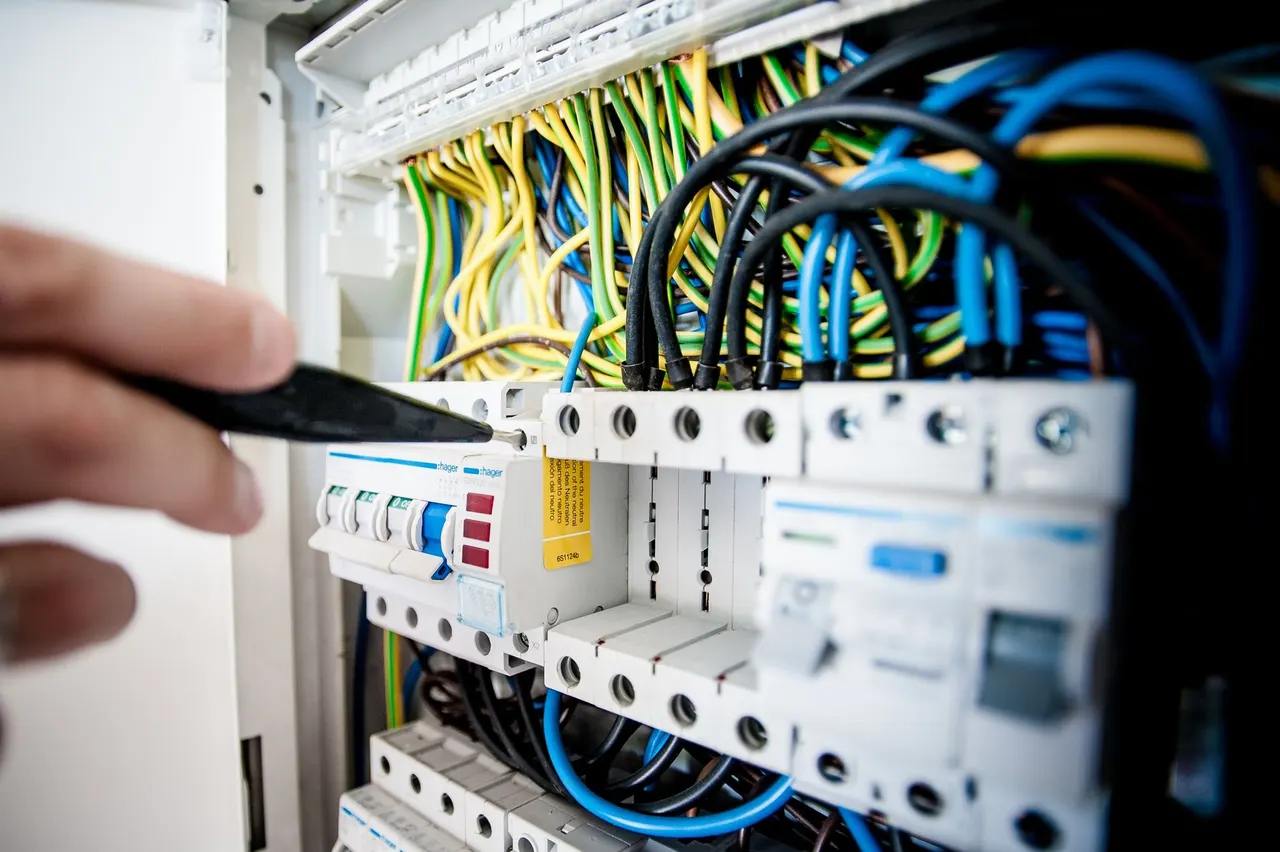
Our electrician tests the circuit with a voltage tester and clamp meter, opens the switch box, and checks the panel for available capacity. On a 1965 Citrus Heights ranch, this step often turns up aluminum wiring or a shared neutral that changes the plan. Takes 20 to 40 minutes.
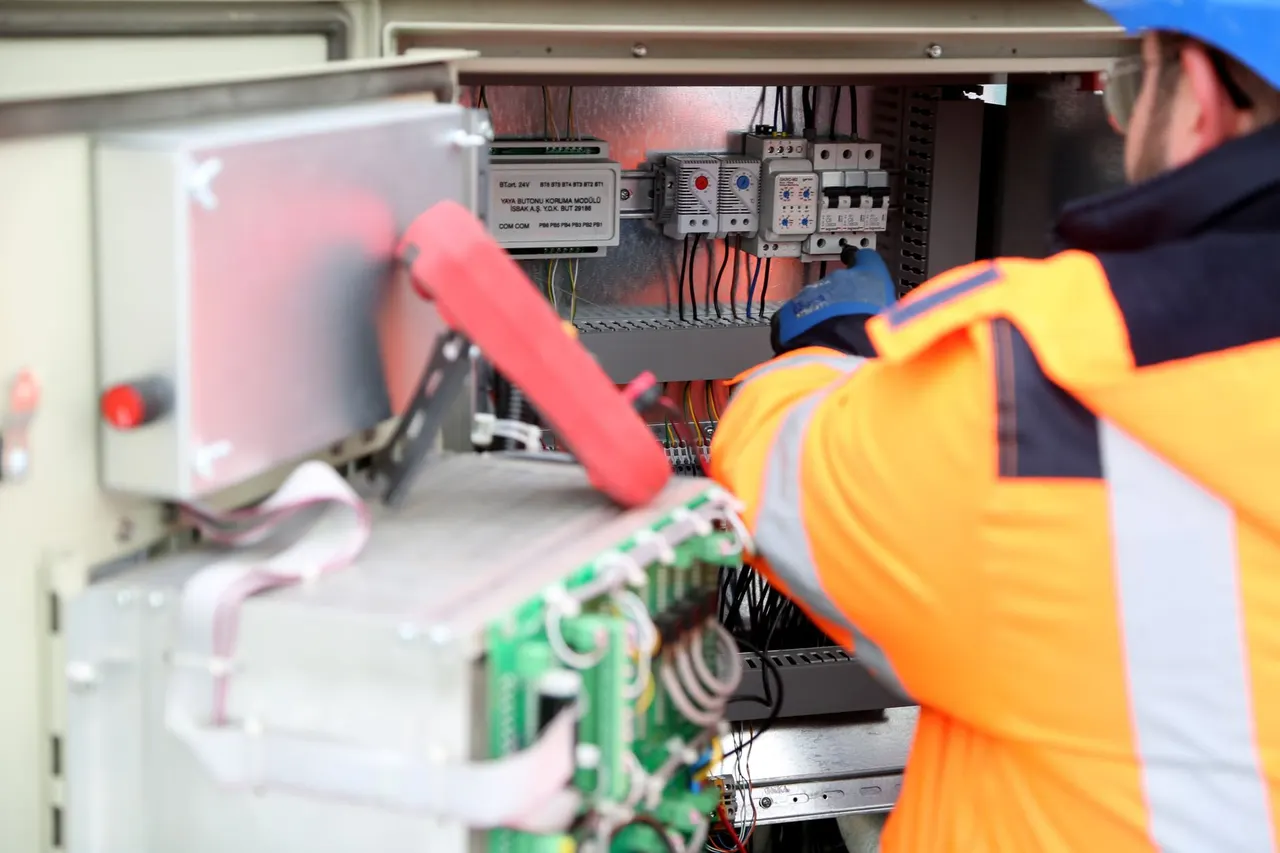
You get the fixture count, the wire run, the breaker size and the total price before we start. If we find something behind the wall, we stop and show you. No surprise line items at the end of the job.

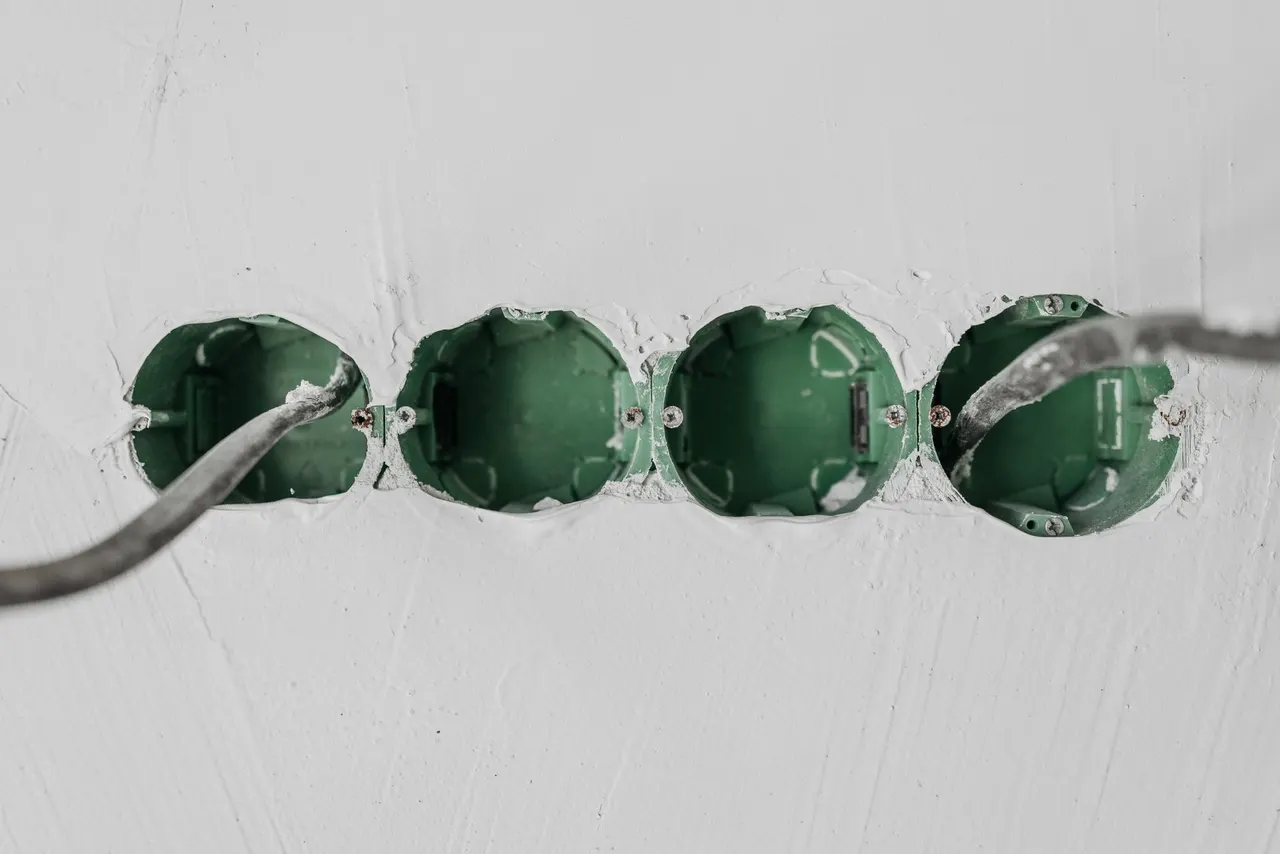
We lay drop cloths, cut in boxes with a hole saw, pull Romex through the attic or crawlspace, and land every connection in a junction box. A single chandelier takes about two hours; eight recessed cans with a dimmer run five to seven hours. We clean up as we go.
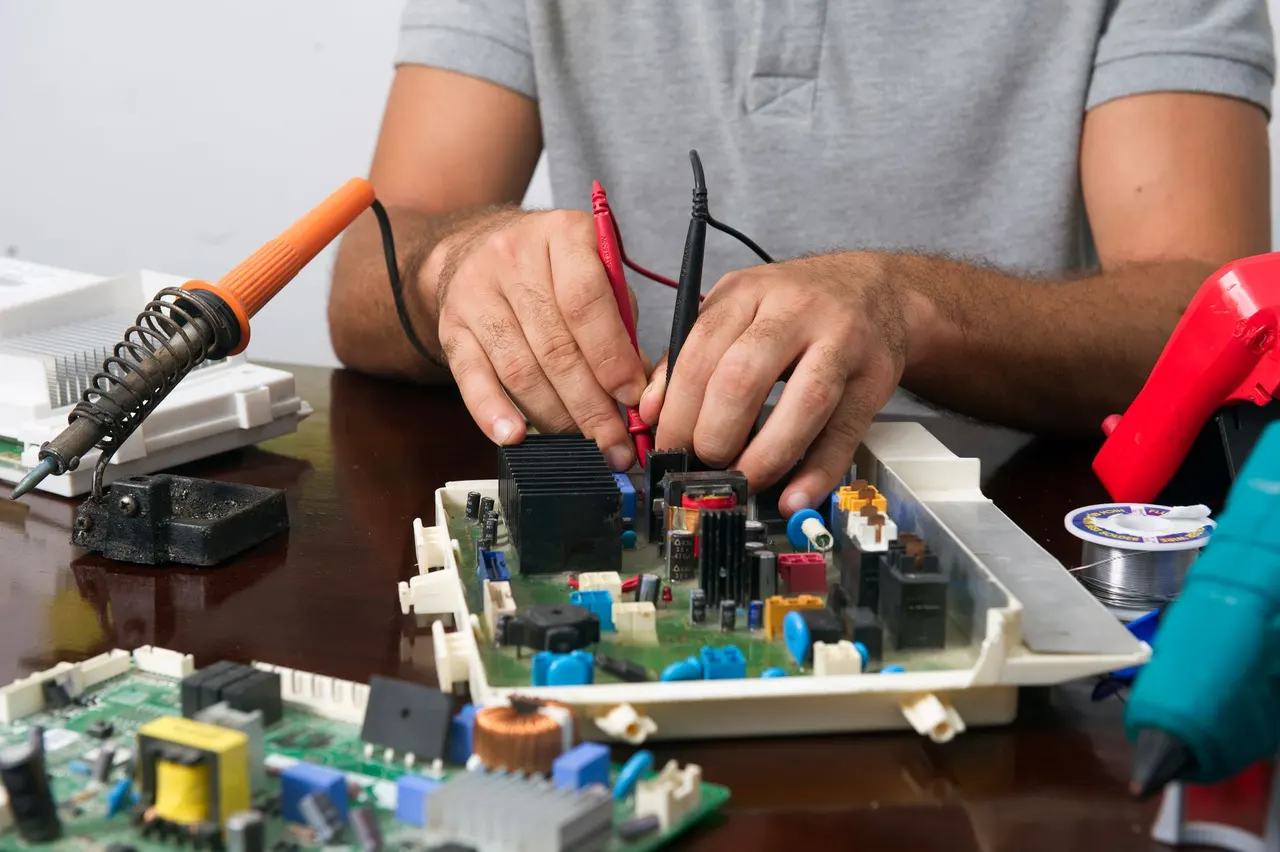
We power up, test every switch leg, check for voltage drop, and confirm the GFCI and AFCI breakers hold. Then we walk you through what we installed, how the dimmer works, and what to watch for. You get the final invoice and any warranty paperwork before we pull out of the driveway.
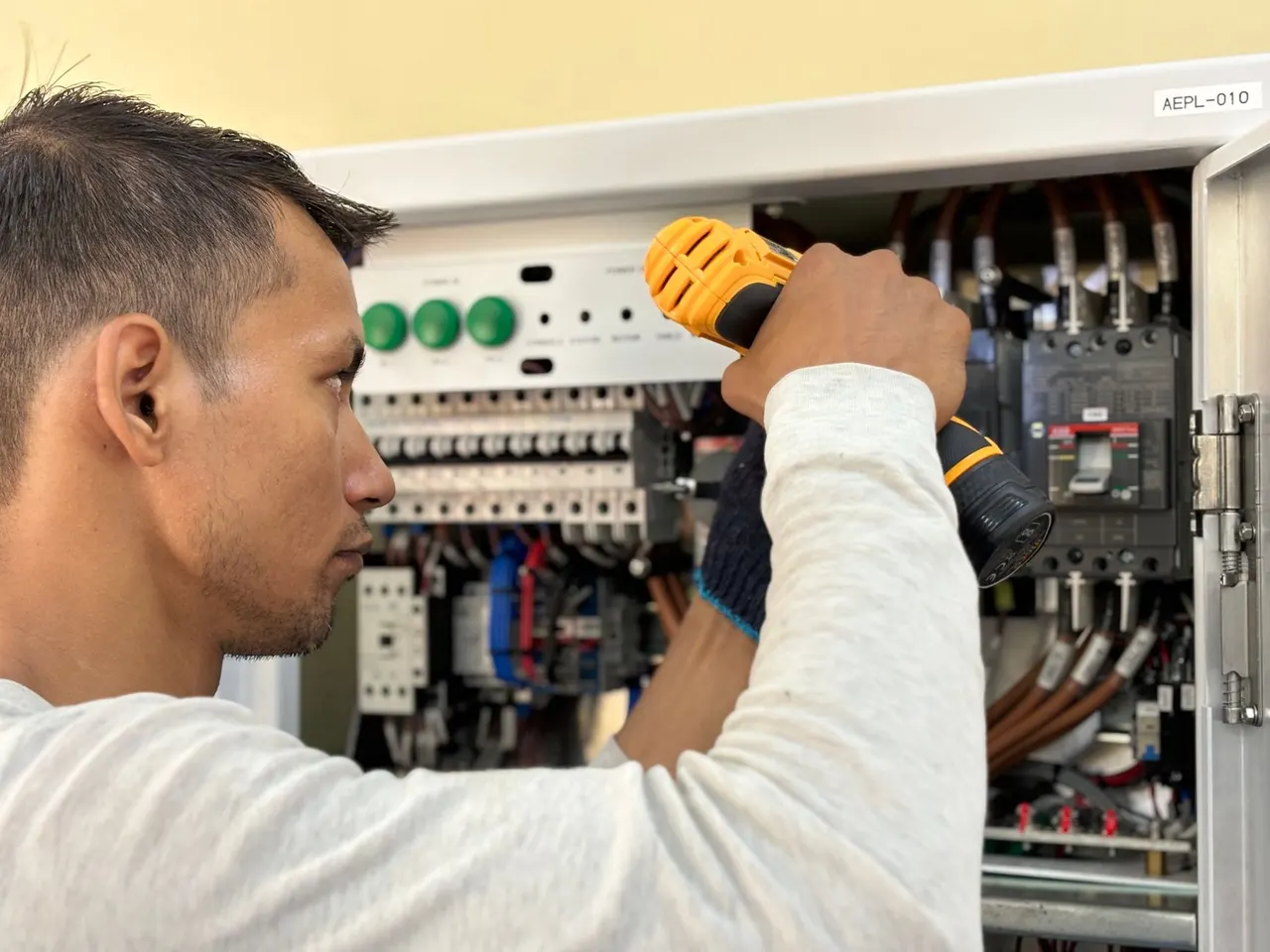
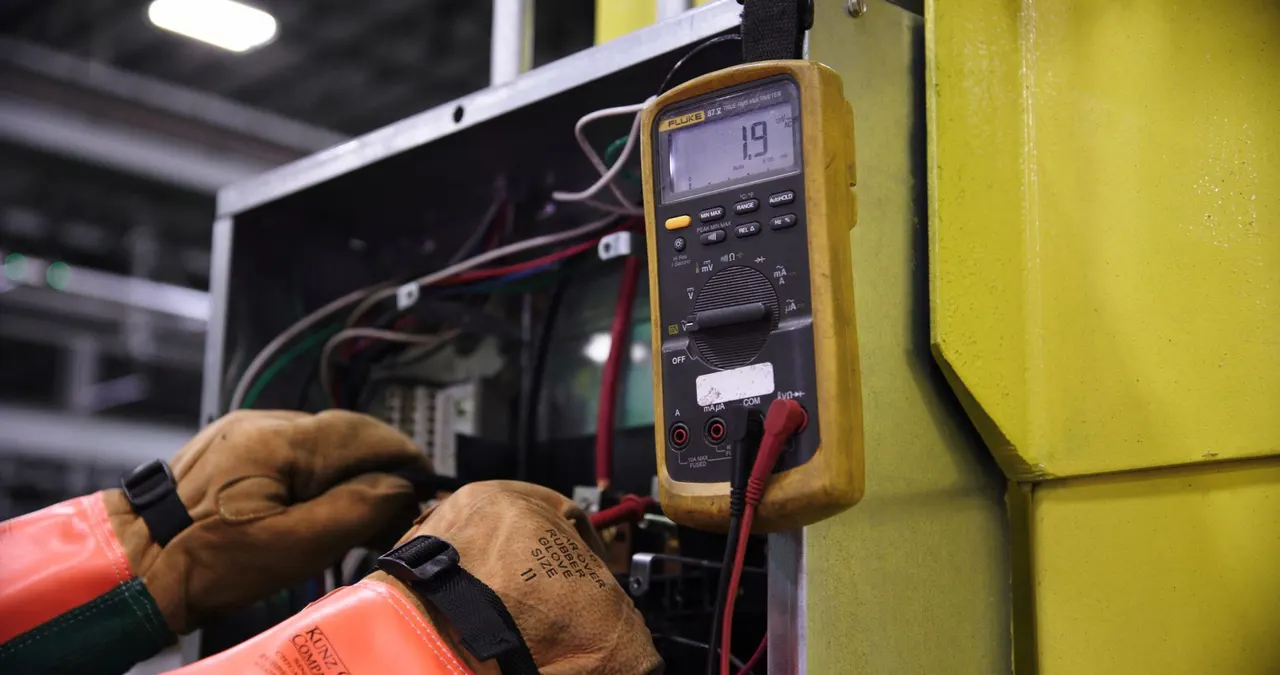
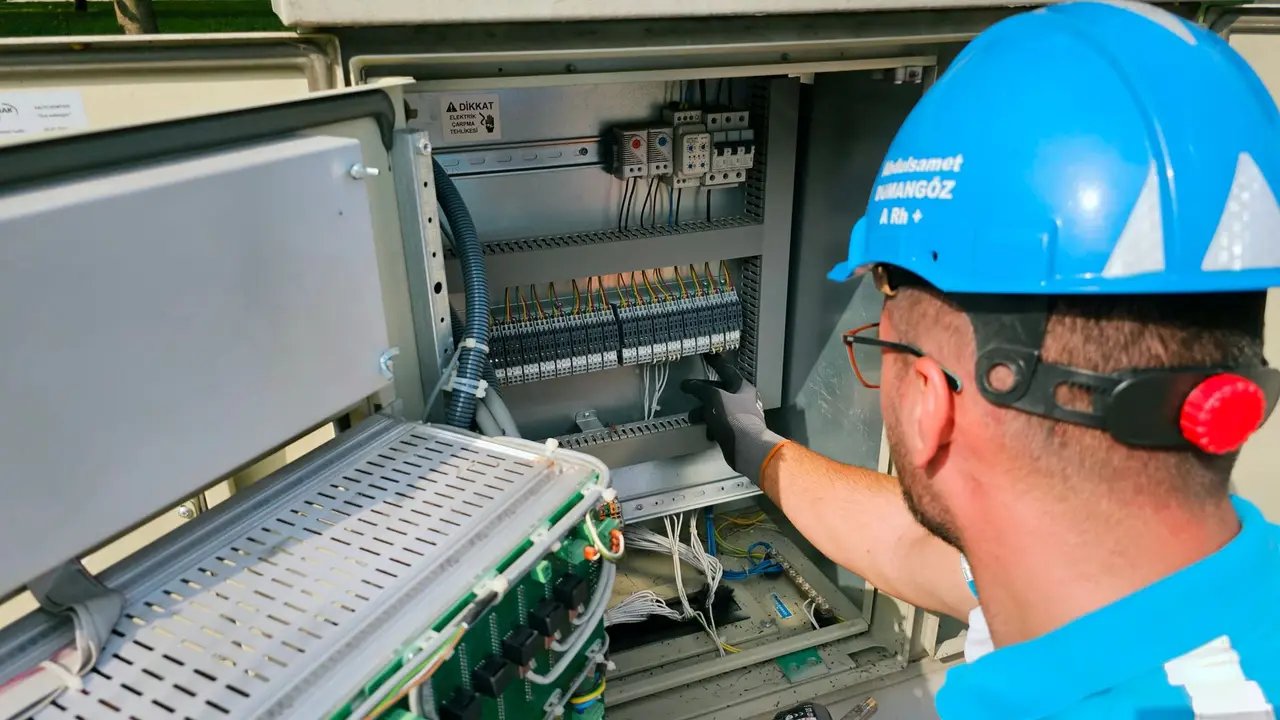
Used to measure voltage, continuity and actual current draw on a circuit before and after we add lighting, so we know the load is within the breaker's rating.
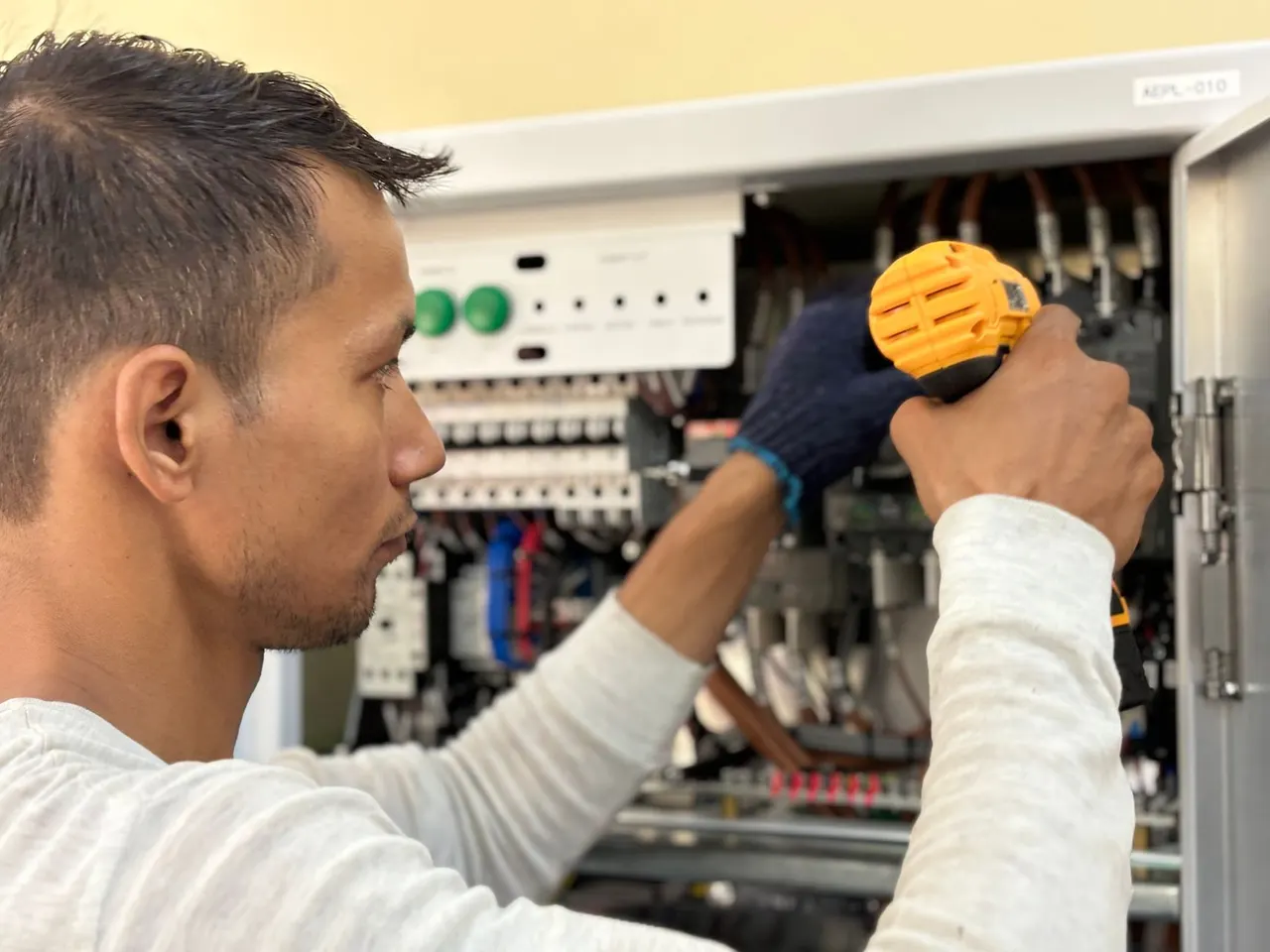
Confirms power is off before we touch a wire, and verifies that every GFCI receptacle and breaker trips and resets correctly after installation.
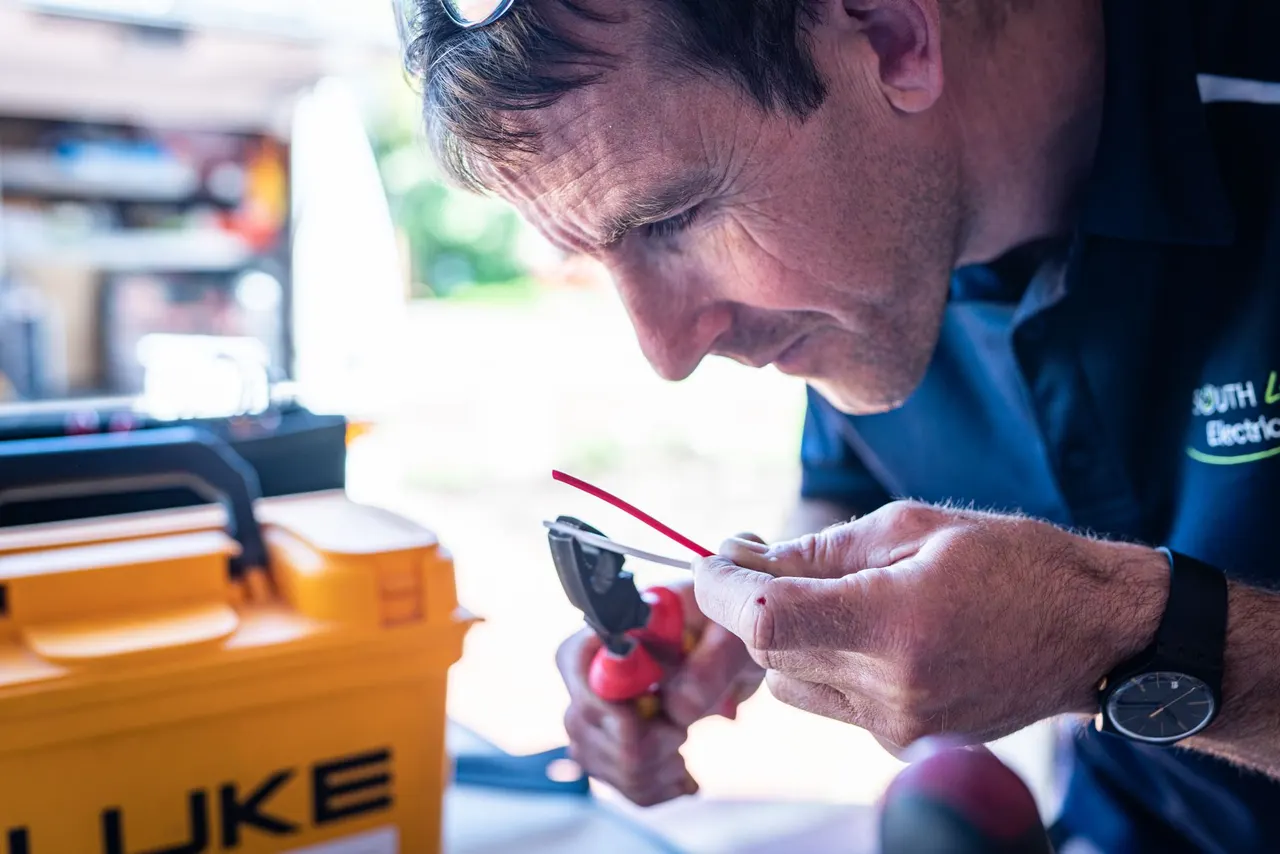
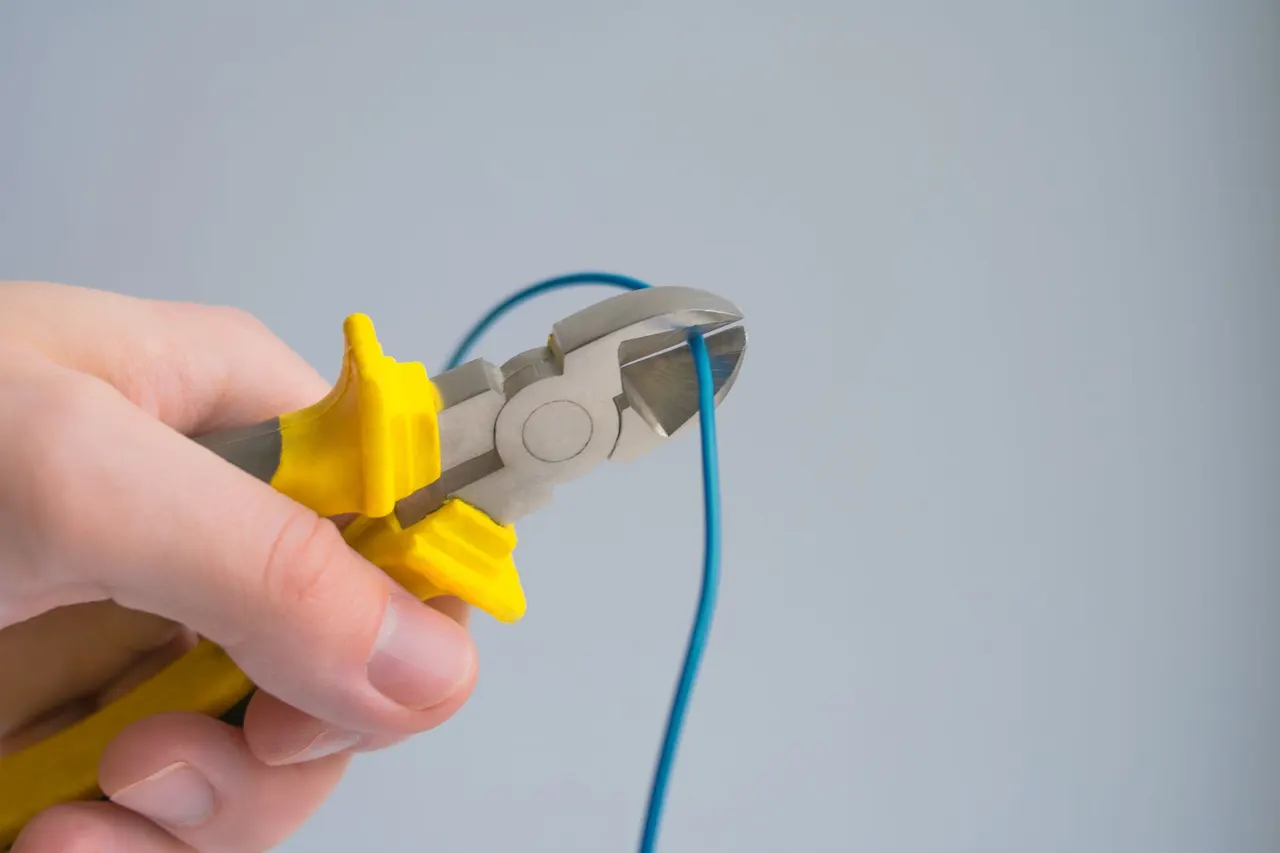
Cuts clean recessed-can openings in drywall and pulls Romex NM-B through finished walls and attic runs without tearing up the ceiling.

The actual copper we install. NM-B for dry interior runs, THHN for conduit and damp locations, sized to the circuit's ampacity.
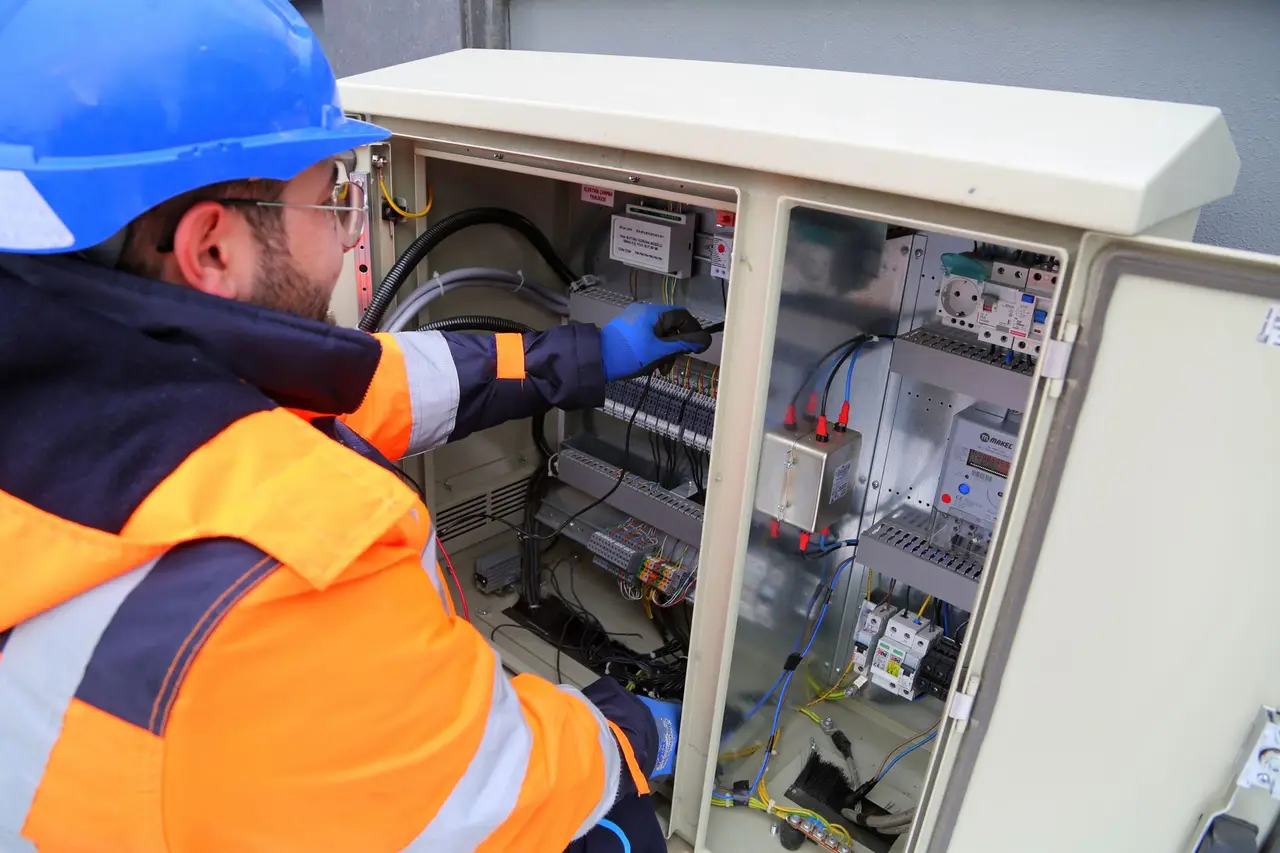
Replacement breakers matched to your existing panel brand, including AFCI and GFCI units for lighting circuits that require them.
Devices that hold up to daily use and match the load of modern LED fixtures, including smart and three-way options.
The supporting materials that keep every connection protected, accessible and code-compliant, whether the run is in a garage or a crawlspace.

Before adding lighting, we calculate the existing load on the circuit and the panel. If the numbers do not leave headroom, we run a new circuit rather than overload what is there. This is the step that prevents nuisance breaker trips.
We remove the old fixture, check the box for proper bracing and the wiring for a neutral, install the new chandelier, and swap the single-pole switch for a Leviton dimmer rated for the fixture's LED load. The dining room gets a modern centerpiece with smooth dimming, and the homeowner knows the box and wiring can handle the weight and the load.
We run a dedicated 15-amp circuit from the panel, install six IC-rated LED cans, add two GFCI-protected outlets, and wire a three-way switch at the entry and the interior door. The new room is fully lit and code-compliant, with its own breaker so the rest of the house is not affected.
We replace the porch fixture with a weather-rated unit, seal the connections, test the GFCI under load, and replace the failed low-voltage transformer with a properly sized unit. The tenant has working exterior lighting again, and the owner avoids a repeat service call every time it rains.
We tap an existing kitchen circuit with capacity, run Romex NM-B through the cabinets, install LED tape with a dimmable driver, and hang the pendant on a properly braced box. The kitchen gets task lighting and a focal point, and everything runs off one dimmer for a clean look.
Citrus Heights sits in Sacramento County, and the housing stock here shapes how we do lighting work. A large share of homes were built between 1955 and 1980, which means aluminum branch wiring, 100-amp panels, and switch loops that were never designed for the LED loads we install today. Summer attic temperatures regularly hit 130 to 140 degrees, so we schedule attic-heavy work like recessed lighting installation Citrus Heights early in the morning and run cable in the cooler hours. Winter rain is the other factor: outdoor fixtures and landscape transformers take on water, and we seal every exterior connection with silicone to survive the wet season. If you are pricing a chandelier installation Citrus Heights CA job in a two-story entry, we bring a taller ladder and check the box bracing before we hang anything. Permits for new circuits go through the city, and we pull them when the scope requires it.
A 1972 Birdcage Heights kitchen had a single ceiling fixture with two 60-watt bulbs. The room was dim at the counters, the fixture ran hot, and the switch plate was warm to the touch from a loose connection.
We installed eight IC-rated six-inch LED cans on a grid, added a Leviton dimmer, and repaired the loose switch connection. The kitchen now runs at 72 watts total instead of 120, and the light is even across every counter.
Wipe the trim rings twice a year and replace any LED module that dims noticeably. The dimmer and switch need no service, but check the switch plate for warmth once a season.
A Mesa Verde home had a porch light and four landscape fixtures that tripped the GFCI every time it rained. The transformer was undersized and two low-voltage connectors were green with corrosion.
We replaced the porch fixture with a weather-rated unit, sealed the connections, upgraded the transformer to a properly sized model, and replaced the corroded connectors. The GFCI has held through two rainy seasons since.
Check the transformer once a year for water in the housing and re-seal any connection that shows corrosion. Trim plants away from fixtures so they drain properly.
A Woodside homeowner had a heavy 1980s chandelier on a box that was not braced for the weight, wired to a single-pole switch with no dimmer. The fixture flickered at low brightness.
We installed a braced ceiling box, hung the new fixture, and swapped in a Leviton LED-compatible dimmer. The flicker is gone, and the chandelier dims smoothly from full brightness to a low evening glow.
Dust the fixture with a dry cloth every few months and confirm the dimmer stays cool. If the fixture ever flickers again, call us to check the neutral at the switch box.
Most lighting calls start with a symptom, not a diagnosis. Here are the problems we see most often in Citrus Heights homes and how we actually fix them.
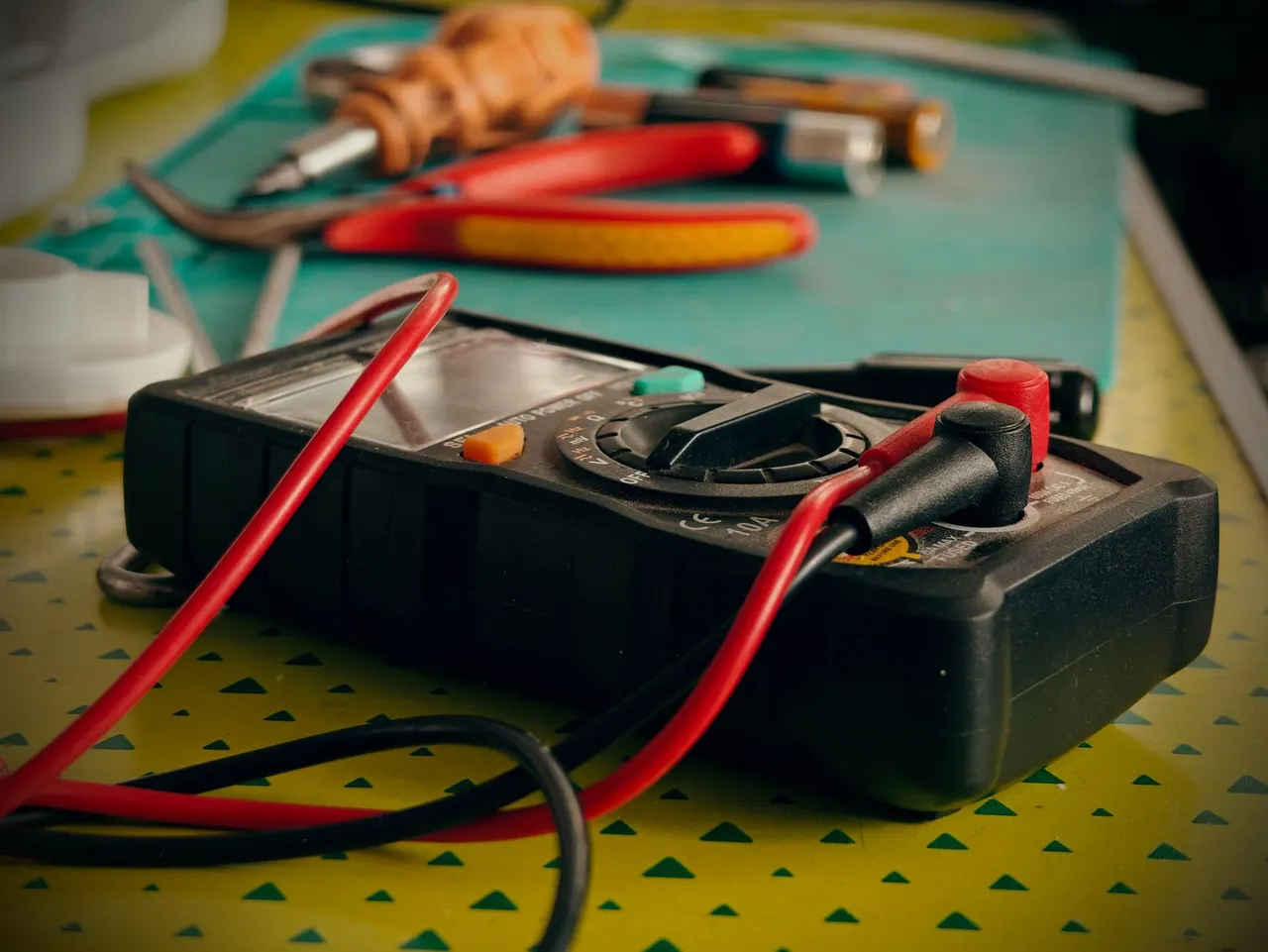
We clamp-meter the circuit under load, open the suspect boxes, and tighten or replace the failed connection. If the circuit is genuinely overloaded, we run a new dedicated line from the panel so the lighting and the appliance stop fighting for power. A flickering light usually means a loose neutral or an overloaded circuit. Left alone, that loose connection heats up, and heat is what starts electrical fires behind drywall.

We test the circuit for shorts and ground faults, check the breaker with a clamp meter, and replace failed breakers with AFCI or GFCI units sized correctly. If the wiring itself is the problem, we repair the run and re-test. A breaker that trips repeatedly is either undersized, worn out, or protecting a circuit with a short. Ignoring it means you lose that circuit for good, and a worn breaker can fail to trip when it matters.
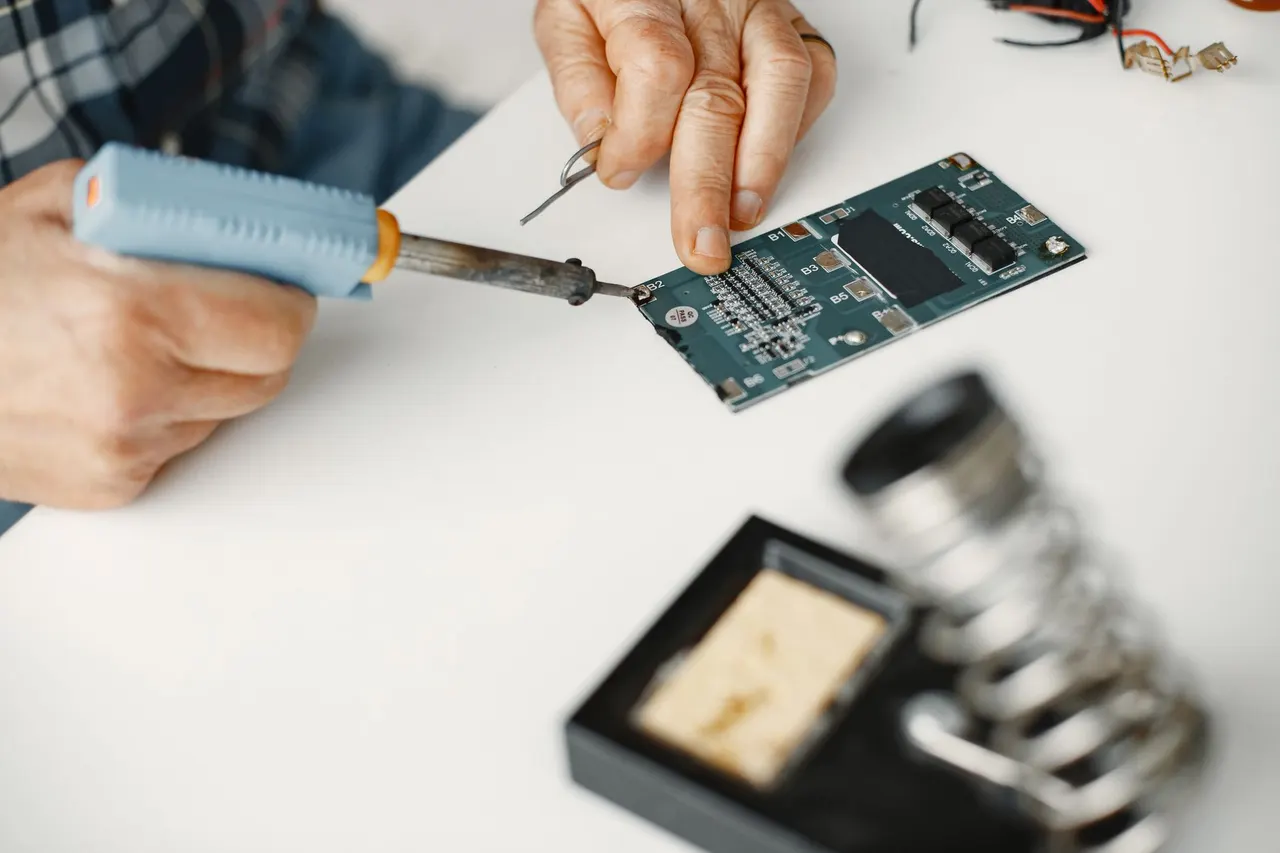
We replace the fixture with a weather-rated unit, re-seal every connection with silicone, and confirm the GFCI holds under load. For landscape systems, we test the transformer output and replace any corroded low-voltage connectors. Water intrusion into a fixture or connection causes corrosion, tripping GFCIs and killing the fixture. Each short cycle shortens the life of the fixture and the transformer.
We replace the old cans with IC-rated LED housings, wire them to a compatible dimmer, and confirm there is no thermal cutoff issue in insulated ceilings. The result is cooler, brighter light at a fraction of the wattage. Recessed cans from the 1980s often have trim rings and sockets that do not accept LED retrofits, leaving you with hot, dim, expensive incandescent light.
Every connection we make follows NEC and California Electrical Code, with proper junction boxes, wire nuts and Romex NM-B cable secured with staples. We test with a Fluke multimeter and a GFCI tester before we leave, so you are not guessing whether the work is safe.
Swapping 60-watt incandescent cans for 9-watt LED lighting installation Citrus Heights fixtures can cut a room's lighting load by 80 percent. On a typical 12-can kitchen, that is roughly $140 a year off your electricity bill, and the bulbs last 15,000 to 25,000 hours.
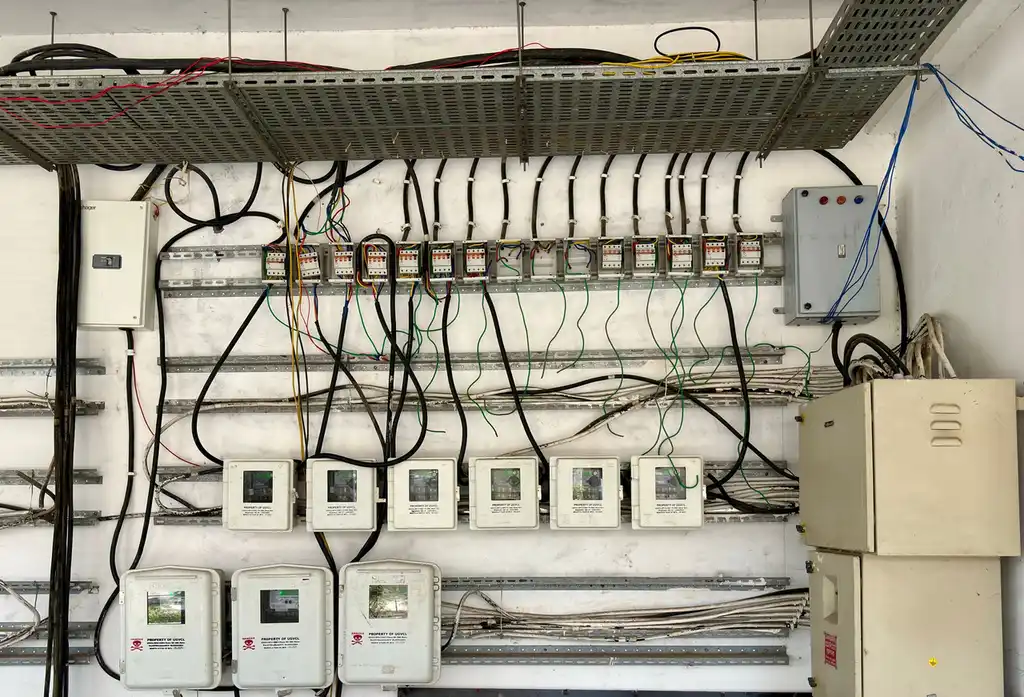
We map the circuit before we add anything, using a circuit breaker finder and clamp meter to check the actual load. If the panel is already near capacity, we tell you before we install, not after the breaker starts tripping every evening at dinner time.
Outdoor lighting installation near me Citrus Heights CA searches spike every fall when porch lights start shorting in the rain. We use weather-rated fixtures, silicone-sealed connections and GFCI protection so your landscape and security lights survive winter storms and summer heat.
Clear records you can keep and share.
Fixture count, circuit plan and total price
Every new breaker marked and identified
GFCI, AFCI and switch legs verified before we leave
Two things decide whether a lighting job goes smoothly: circuit capacity and ceiling access. We check both before we quote, so there are no surprises mid-job.
A circuit can only carry so much. We measure the existing load before adding fixtures. If there is no headroom, we run a new line.
Insulated ceilings need IC-rated housings that can touch insulation. Non-IC cans overheat and shut off. We match the housing to the ceiling.
Not every dimmer works with every LED. We match the dimmer to the fixture's driver. Mismatched pairs flicker and buzz.

Outside these areas? Call and ask, we may still reach you. (866) 273-0386
Most single-fixture jobs in Citrus Heights run $180 to $450, and a full recessed lighting install for one room runs $1,200 to $2,800 depending on can count and attic access. The cost to install lighting in Citrus Heights CA climbs when we have to fish wire through finished walls, add a new circuit, or upgrade a dimmer to a smart switch. We quote the full price before we start, so you know the number up front.
Flickering usually means a loose neutral, a failing dimmer, or a circuit that is overloaded by a big appliance. In older Citrus Heights homes with aluminum wiring, the flicker often traces back to a connection that has worked loose over decades of heat cycling. We test with a multimeter and clamp meter, find the actual cause, and fix the connection or replace the device. Do not ignore it; loose connections are a real fire risk.
Yes. Recessed lighting installation Citrus Heights CA is one of our most common jobs, especially in kitchens and living rooms with flat 8-foot ceilings. We lay out the cans on a grid, cut with a hole saw, run Romex NM-B through the attic, and land everything in junction boxes. A typical 8-can kitchen takes five to seven hours, including the dimmer and final testing.
We do. Outdoor lighting installation near me Citrus Heights CA calls usually involve water intrusion, corroded sockets, or a GFCI that keeps tripping after rain. We replace the fixture with a weather-rated unit, seal the connections with silicone, and confirm the GFCI holds. Landscape lighting runs on low-voltage transformers, and we test the transformer output before replacing anything.
One call gets you a real price, a real arrival window and a licensed electrician who knows Citrus Heights homes. Call (866) 273-0386 and we will schedule your visit, usually within a day or two, with same-day slots available for repair calls.
Call us at (866) 273-0386 or send an email to info@grayandsonselectrical.com. We answer the phone during business hours and triage emergency calls after hours. Most repair jobs get scheduled same-day or next-day, and panel work gets a written quote before we order anything.