Written scope
Circuit counts and fixed price
Whole House Rewiring Citrus Heights CA replaces worn aluminum, cloth, or knob and tube wiring with copper Romex NM-B and code-correct grounding, so your breakers stop tripping and your outlets stop running hot. We handle older homes in Sacramento County, plus any house where a home rewiring Citrus Heights project is the only safe way forward. Same-day assessments, clear pricing, and a written circuit map when we finish.

A full rewire covers the branch circuits, the devices they feed, and the panel that protects them. Here is what is in scope on a standard Citrus Heights job, and what we quote separately because it depends on your layout.

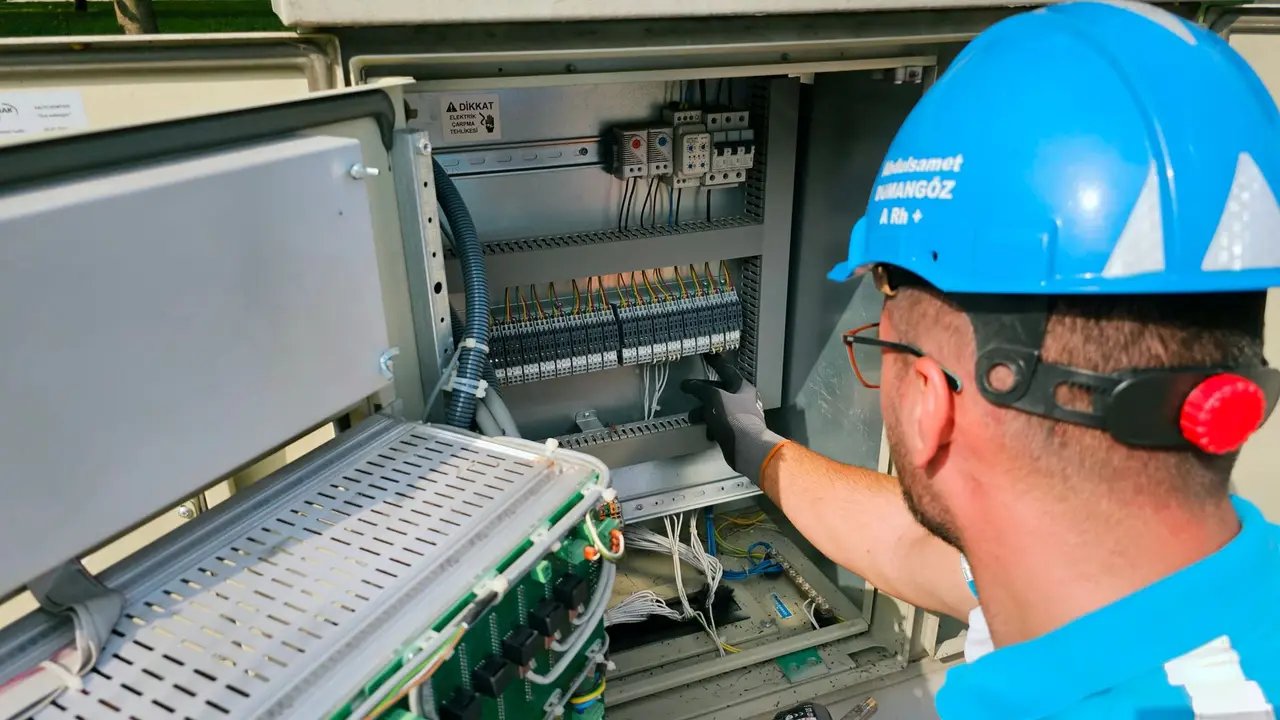
We rewire houses room by room and keep critical circuits live overnight so you can stay home during the job. Every outlet, switch, and fixture gets tested before we patch the walls.
We rewire rental properties, small offices, and multi-unit buildings around Citrus Heights. Work is phased around tenants and business hours so the property stays usable.
Whole house rewiring means pulling every branch circuit out of the walls and replacing it with new conductors, then reconnecting outlets, switches, fixtures, and appliances to a properly grounded system. On a typical Citrus Heights job we run Romex NM-B cable through drilled studs, install AFCI breakers in the panel, and land every splice inside a junction box instead of a wall cavity. It is the deepest electrical upgrade a home can get, and it is the only real fix when the wiring itself is the hazard.
Most Citrus Heights housing was built between the 1950s and 1980s, and a lot of it still runs original aluminum branch wiring or cloth-insulated cable that was never sized for today's loads. Add a heat pump, an EV charger, or a kitchen full of countertop appliances and those old circuits run warm. If you have been searching whole home rewiring near me Citrus Heights because breakers trip every summer, that is the wiring telling you it is done.
Old wiring gets replaced circuit by circuit, tested, and labeled before the walls close.
A whole-house rewire takes planning, not improvisation. Here is the sequence we follow from the first walkthrough to the final inspection, and what you will see at each stage.
We inspect the panel, open a few receptacles, and check the attic and crawlspace for the existing wiring type. Then we run a load calculation to size the new service correctly. You get a written scope with circuit counts and a firm price, usually within a day of the visit.

We pull the electrical permit with the city and schedule the work in phases so you are never without power overnight. Most homes stay livable during the job. We confirm the start date, daily hours, and which rooms we will open first.
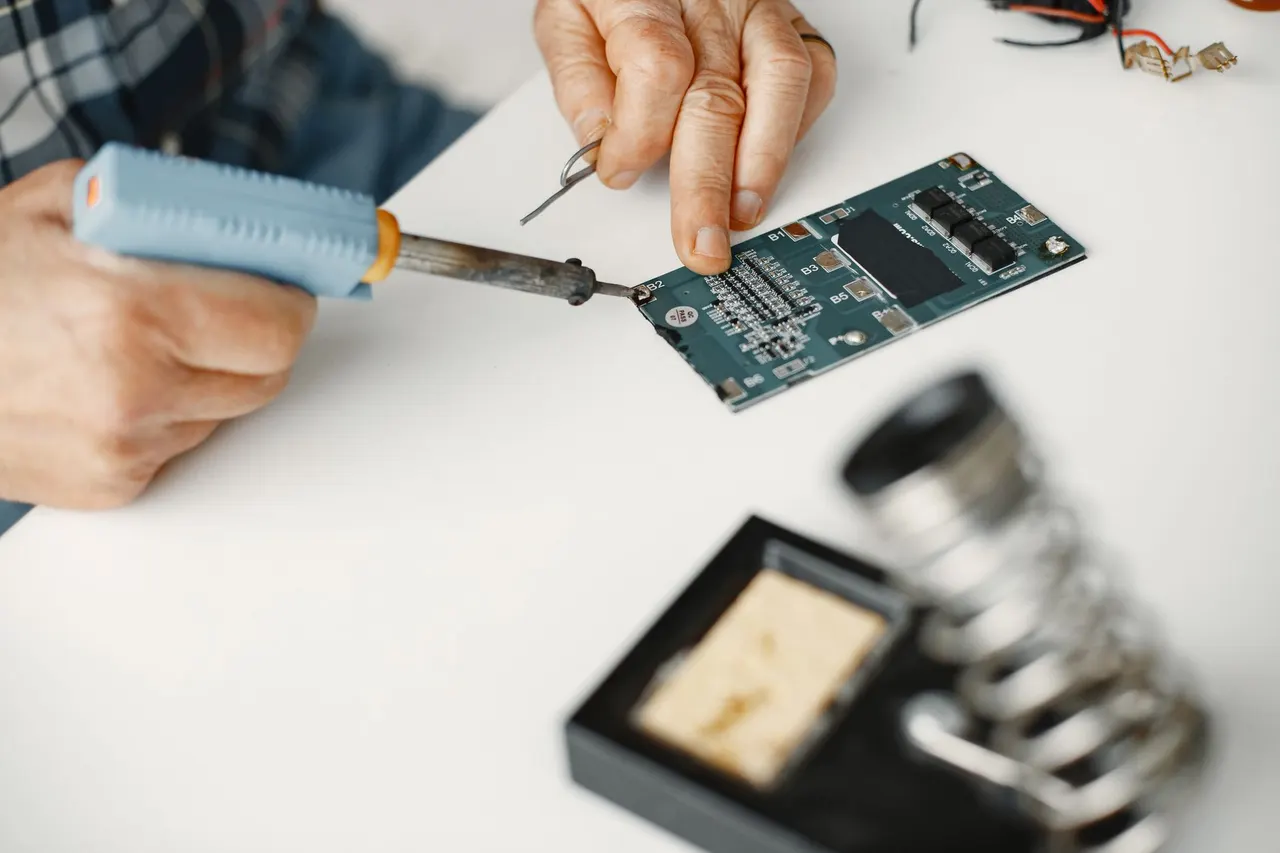
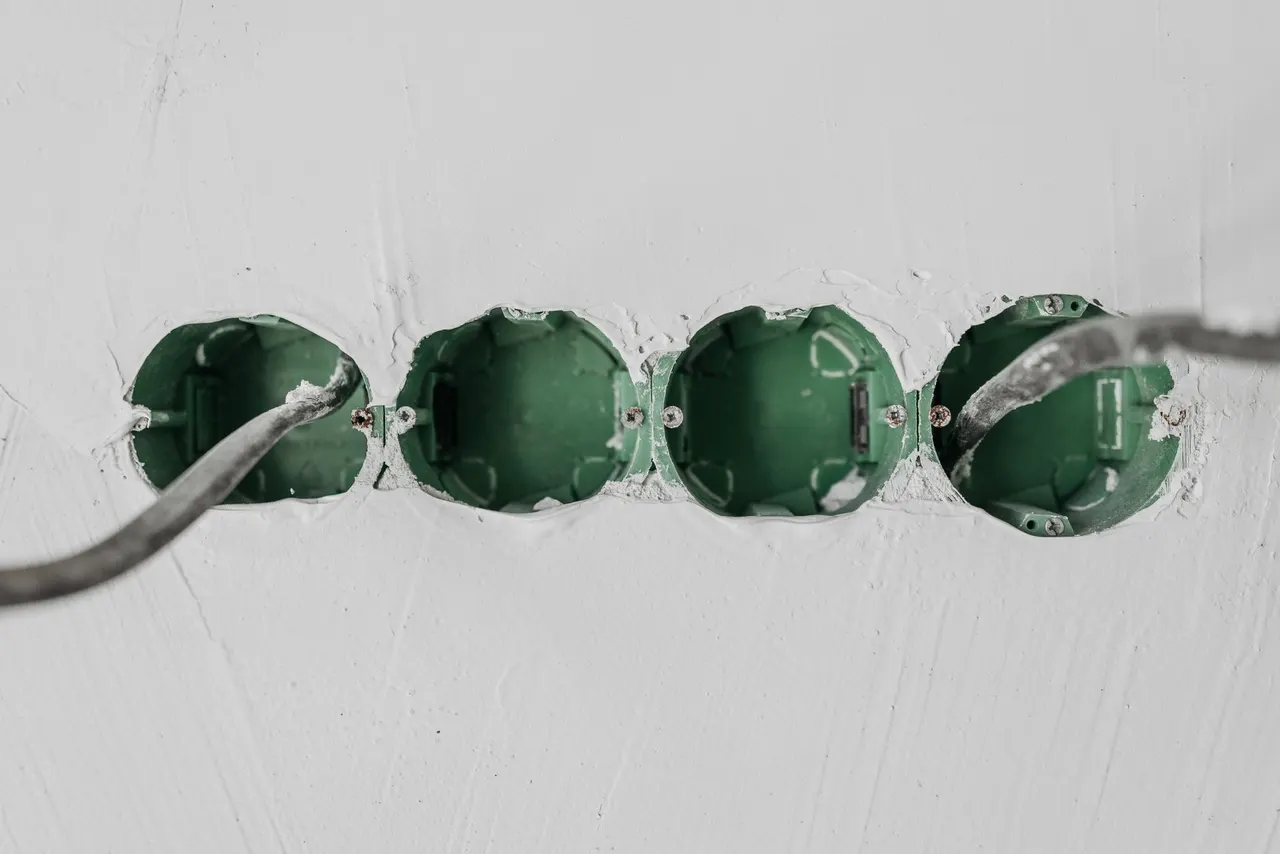
We cut in new boxes, drill studs, and pull Romex NM-B cable through the walls, attic, and crawlspace. Fish tape and a hole saw get the runs where they need to go with minimal drywall damage. This is the loudest, dustiest part of the job.
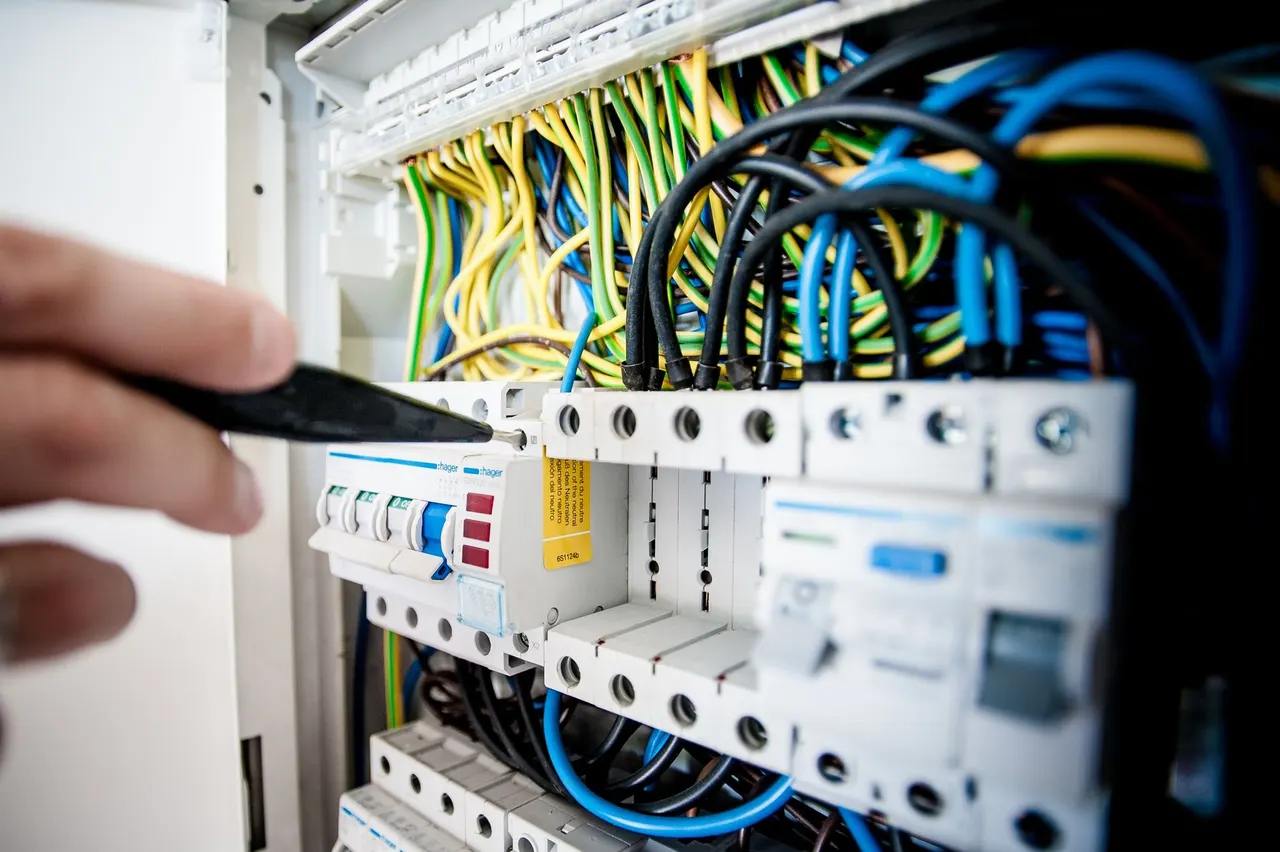
New AFCI and GFCI breakers go into a Square D or Eaton panel, and we terminate every receptacle, switch, and fixture with a wire stripper and torque screwdriver. Each circuit gets labeled at the panel and tested with a circuit breaker finder before we move on.
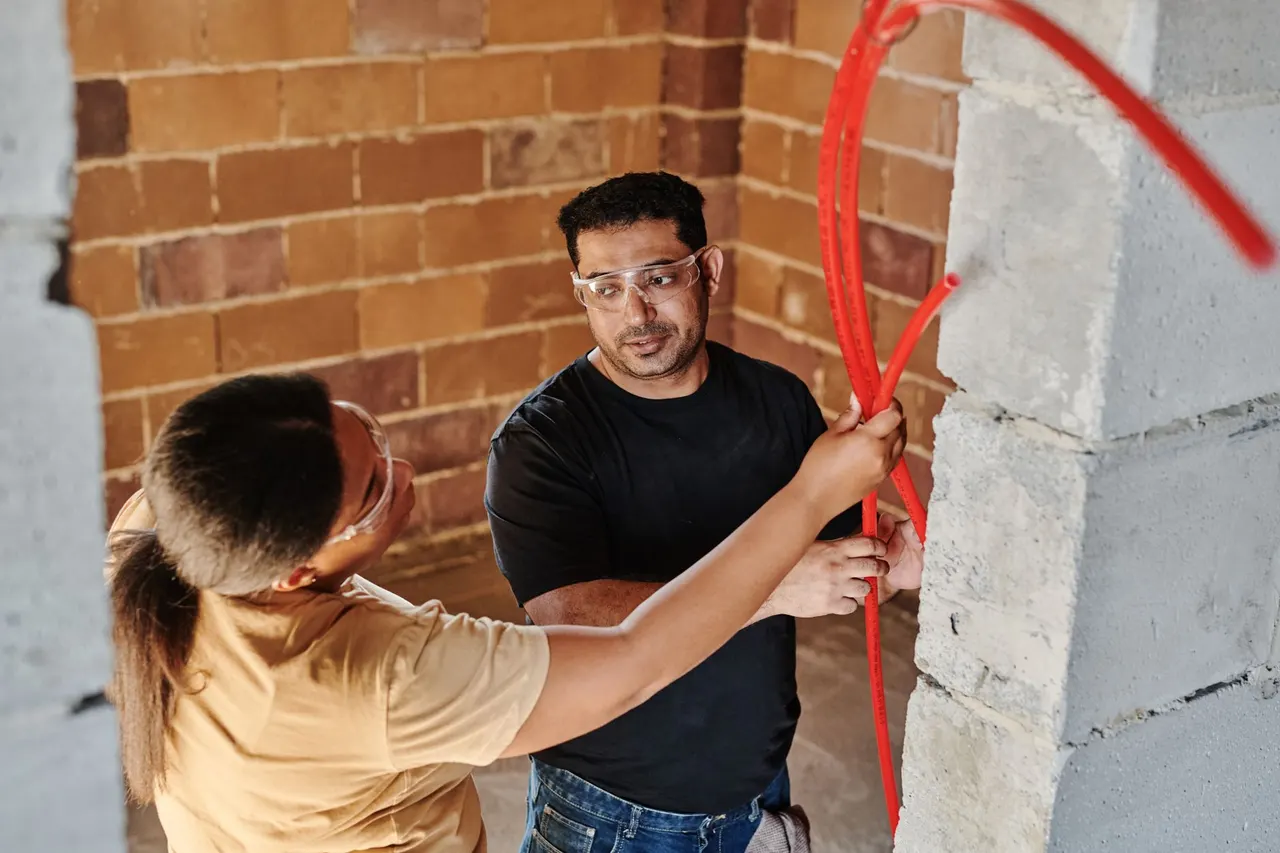
The city inspector signs off on the rough-in and final, and we patch the drywall cuts we made. You get a labeled panel schedule, a circuit map, and a walkthrough of what changed. Most homes are back to normal the same day we finish.
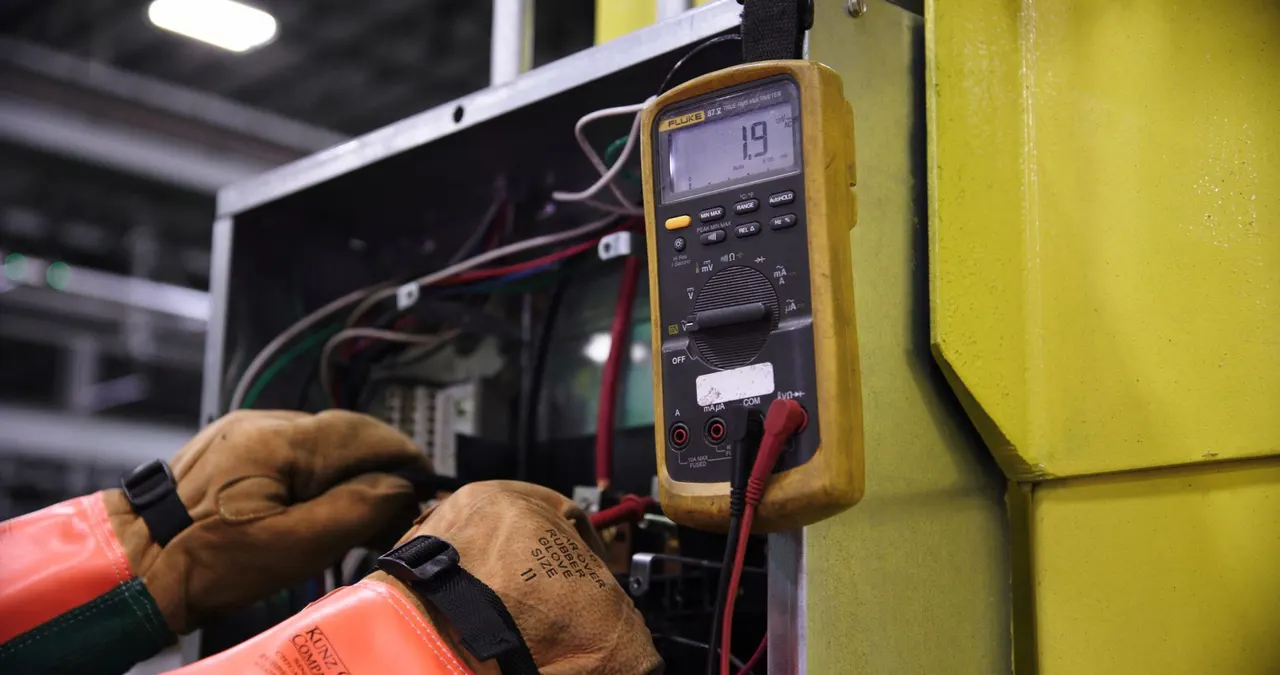
Measures actual current on a circuit so we can confirm the load matches the breaker size before we close a wall.
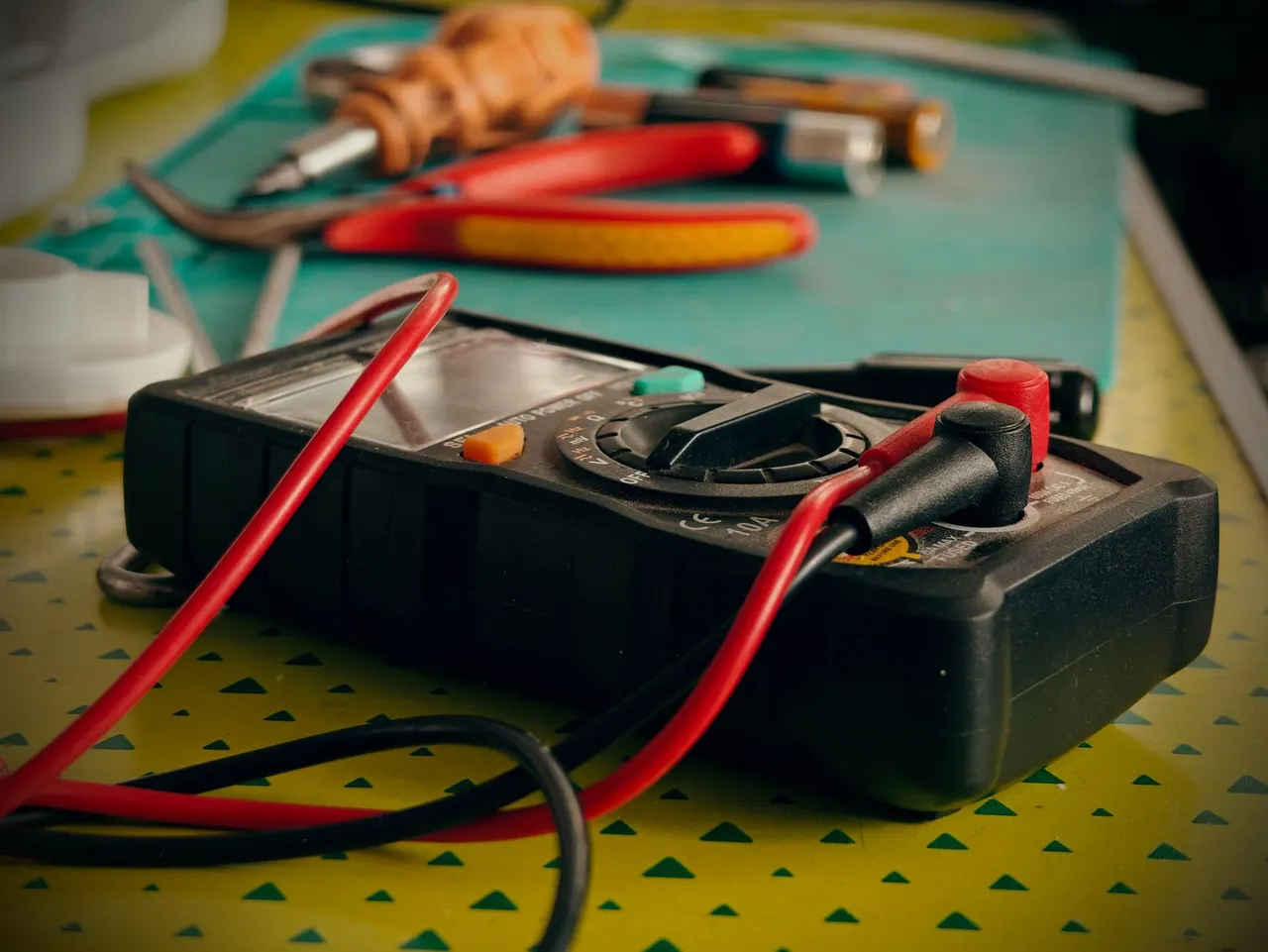
Confirms a circuit is dead before we touch it, and verifies correct wiring at every receptacle we install.
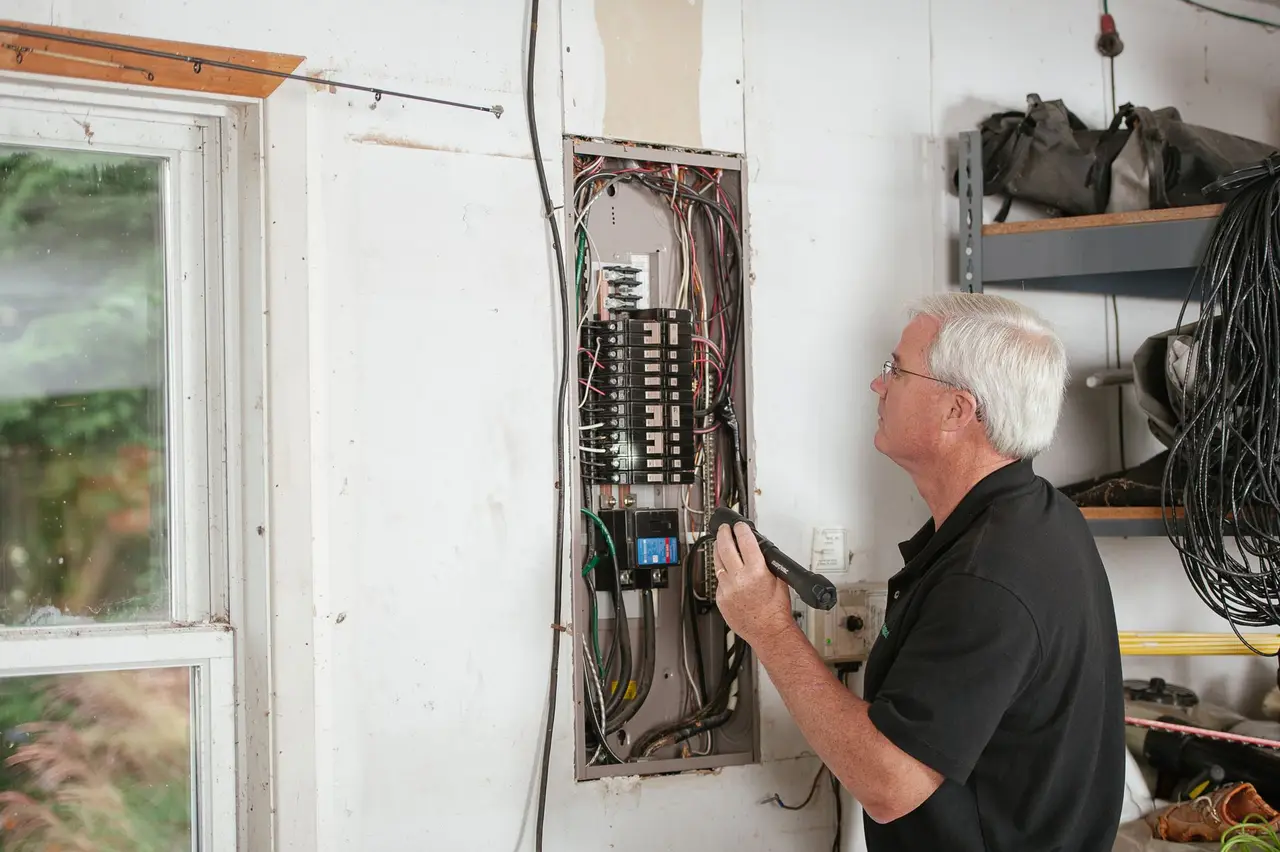
Pulls cable through existing chases and cuts clean box openings, which keeps drywall damage to a minimum.
Our standard copper conductor for branch circuits, rated for the residential walls and attics we work in.
The panel and breaker brands we install, chosen for clean bus bars and reliable AFCI and GFCI protection.

Tests every kitchen, bath, and garage receptacle to confirm the ground fault protection actually trips.

We calculate the real demand of the house before sizing the service, so the panel matches how you live rather than a guess. This is what keeps a rewire from being oversized and overpriced.
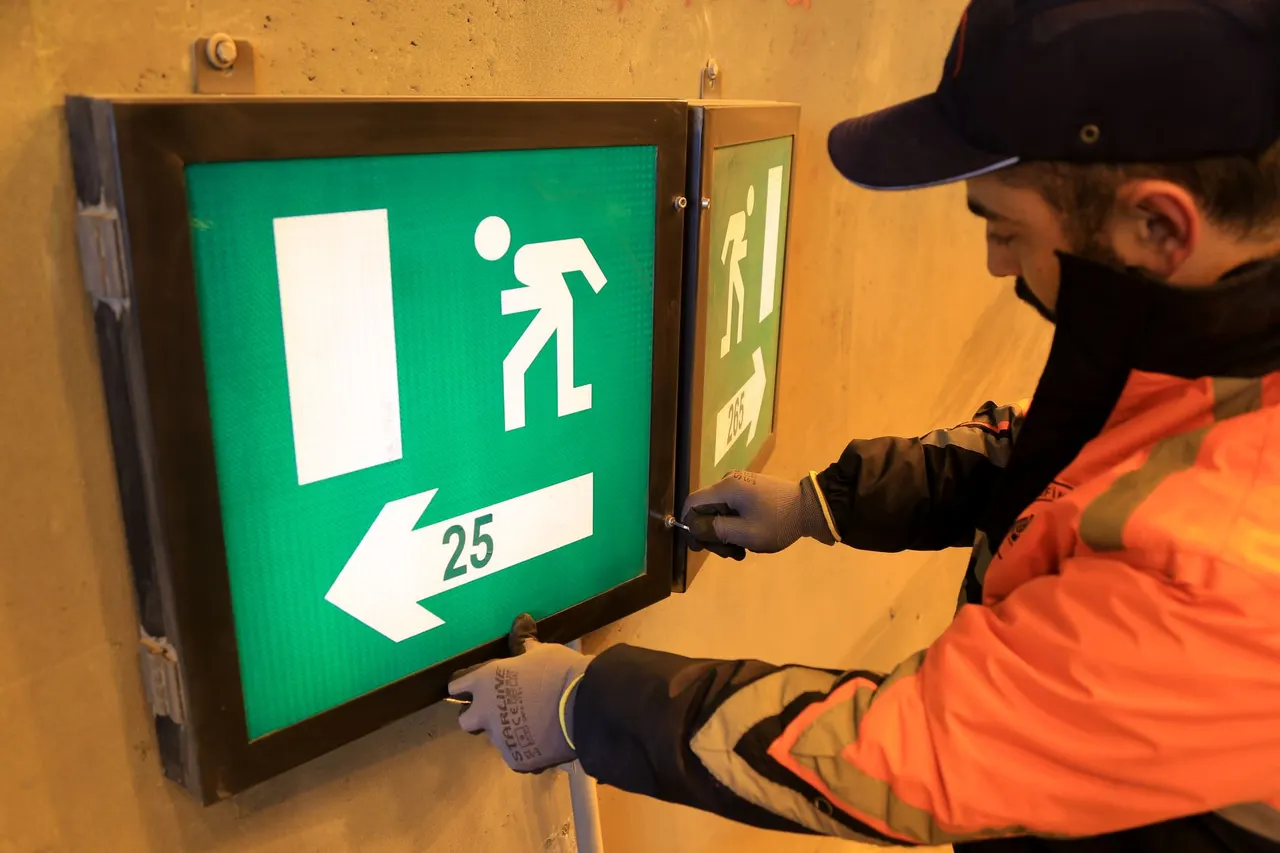
Arc-fault breakers go on bedroom and living circuits, ground-fault protection goes where water is present. Both are required by current code and both catch problems a standard breaker misses.
We inspect the branch circuits, confirm how much of the house is aluminum, and quote a rewire that satisfies your lender and insurer. If only part of the house is affected, we scope the work to those circuits and tell you what can wait. You close on the house with a permitted rewire scheduled, and the insurance carrier issues the policy without a wiring surcharge.
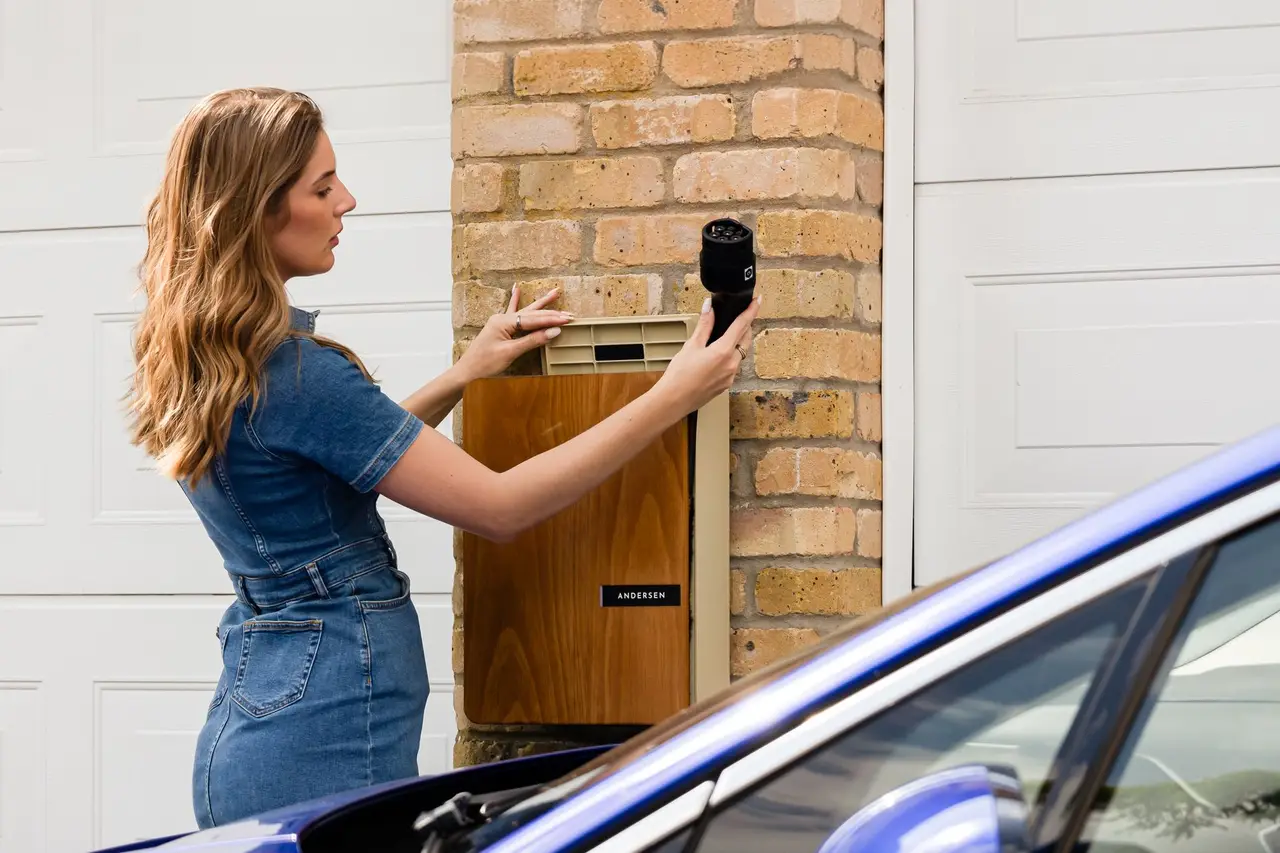
We combine the rewire with a service upgrade, pull the 240-volt garage run while the walls are open, and leave spare capacity for the heat pump. One permit, one inspection, one project. You charge at full speed overnight, run the heat pump in winter, and still have open breaker slots for whatever comes next.
We rewire the kitchen circuits during the remodel, add dedicated 20-amp runs for countertop receptacles, and install GFCI protection where the code requires it. The rest of the house stays untouched if the wiring is sound. The kitchen passes inspection with room for the appliances you actually bought, and the remodel stays on schedule.
We remove the knob and tube, run new grounded circuits through the attic, and clear the insulation away from any remaining penetrations. The new cable is rated for contact with insulation. The attic is safe to insulate properly, and your three-prong outlets are finally grounded.
Citrus Heights sits in Sacramento County, where summer attic temperatures push past 140 degrees and winter rain keeps crawlspaces damp for months. Both conditions punish old wiring. Cloth insulation gets brittle in that heat, and aluminum terminations corrode faster in a damp crawlspace. Most of the housing stock here went up between the 1950s and 1980s, so a large share of homes still have aluminum branch circuits, 60-amp fuse panels, or knob and tube in the attic. When we quote a home rewiring Citrus Heights project, we plan around the heat: rough-in work happens early in the day, and we stage cable in the garage instead of the driveway. If you have been looking for old house rewiring Citrus Heights CA help, the first step is a walkthrough that identifies exactly which wiring type you have, because the fix for a 1955 cottage is not the fix for a 1978 ranch.
A 1,450 square foot Birdcage Heights home had aluminum branch circuits, a 100-amp panel with no open slots, and breakers that tripped every time the AC and microwave ran together. The insurer had flagged the wiring and threatened to drop the policy.
We rewired the house with copper Romex NM-B, installed a 200-amp Square D panel with AFCI breakers, and added dedicated kitchen and laundry circuits. The final inspection passed on the first visit, and the carrier reinstated the policy without a surcharge.
Keep the panel schedule we leave on the door, and have the breakers exercised once a year. AFCI breakers should be tested monthly with the test button to confirm they still trip.
A Downtown Citrus Heights cottage still ran knob and tube through the attic, buried under blown-in insulation. The three-prong outlets were ungrounded, and the homeowner had been told the attic was a fire risk if the insulation stayed.
We removed the knob and tube, ran grounded copper circuits to every room, and installed GFCI receptacles in the kitchen and bath. The attic is now safe to insulate properly, and every outlet tests as correctly grounded.
Test the GFCI receptacles every month with the test button, and keep the attic insulation clear of any new penetrations. Call us before adding any circuit to the attic.
A 1978 Mesa Verde home had a full 100-amp panel, no breaker space, and a homeowner who wanted a Tesla charger and a heat pump. Adding either one alone would have overloaded the service.
We rewired the branch circuits, upgraded to a 200-amp Eaton panel, and pulled a 240-volt garage run while the walls were open. The homeowner now charges overnight at full speed and runs the heat pump without tripping anything.
Have the EV charger torqued and inspected once a year, and keep the area around the panel clear. The circuit map we left shows which breaker feeds the garage.
Old wiring fails in predictable ways, and each one points to a different fix. Here are the four we see most often in Citrus Heights homes, and what happens if you leave them alone.
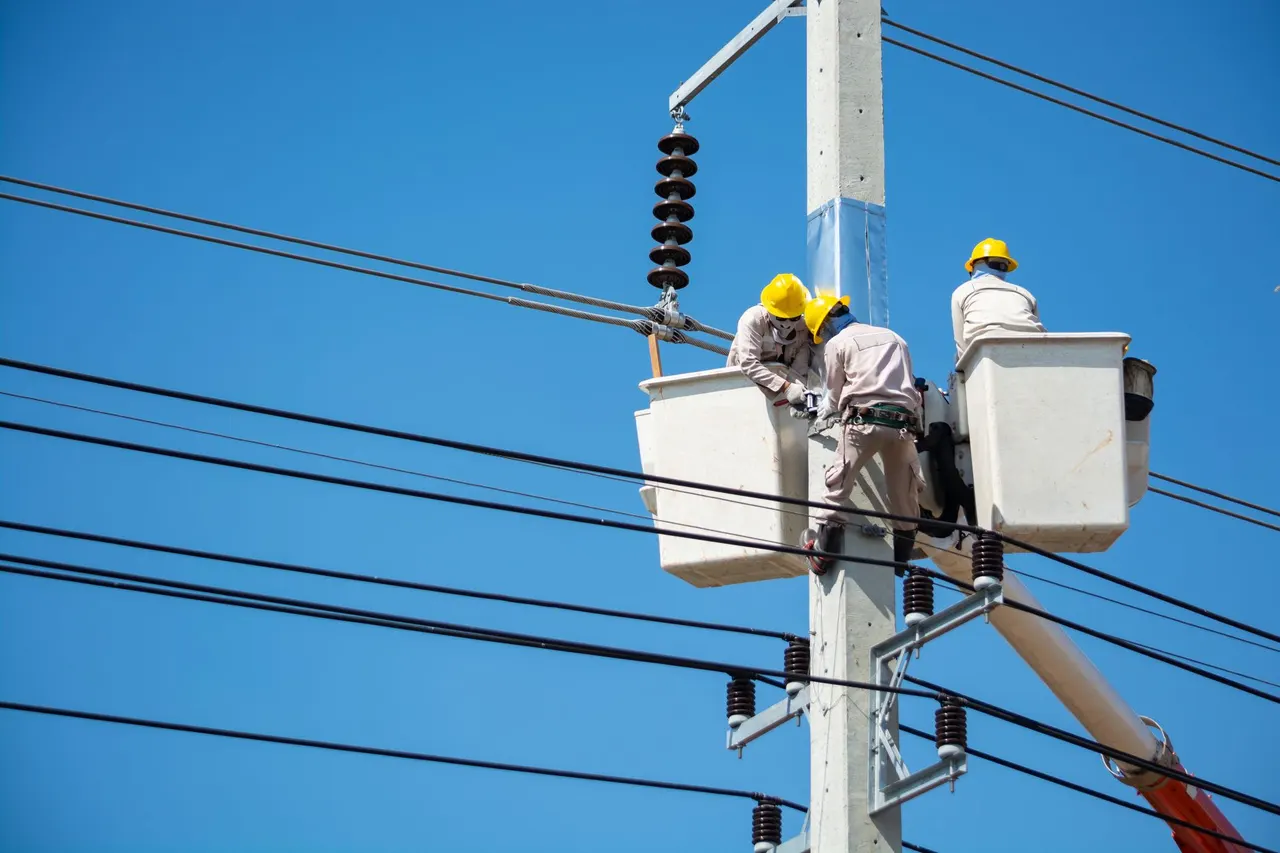
We run a load calculation, split the overloaded circuit into dedicated runs, and add the breaker space the house was missing. After the rewire, the AC and the microwave run on separate circuits and neither one notices the other. Constant tripping means the circuit is overloaded, and repeated overload heats the conductor and the breaker until one of them fails. It usually ends with a dead circuit or a burned neutral.
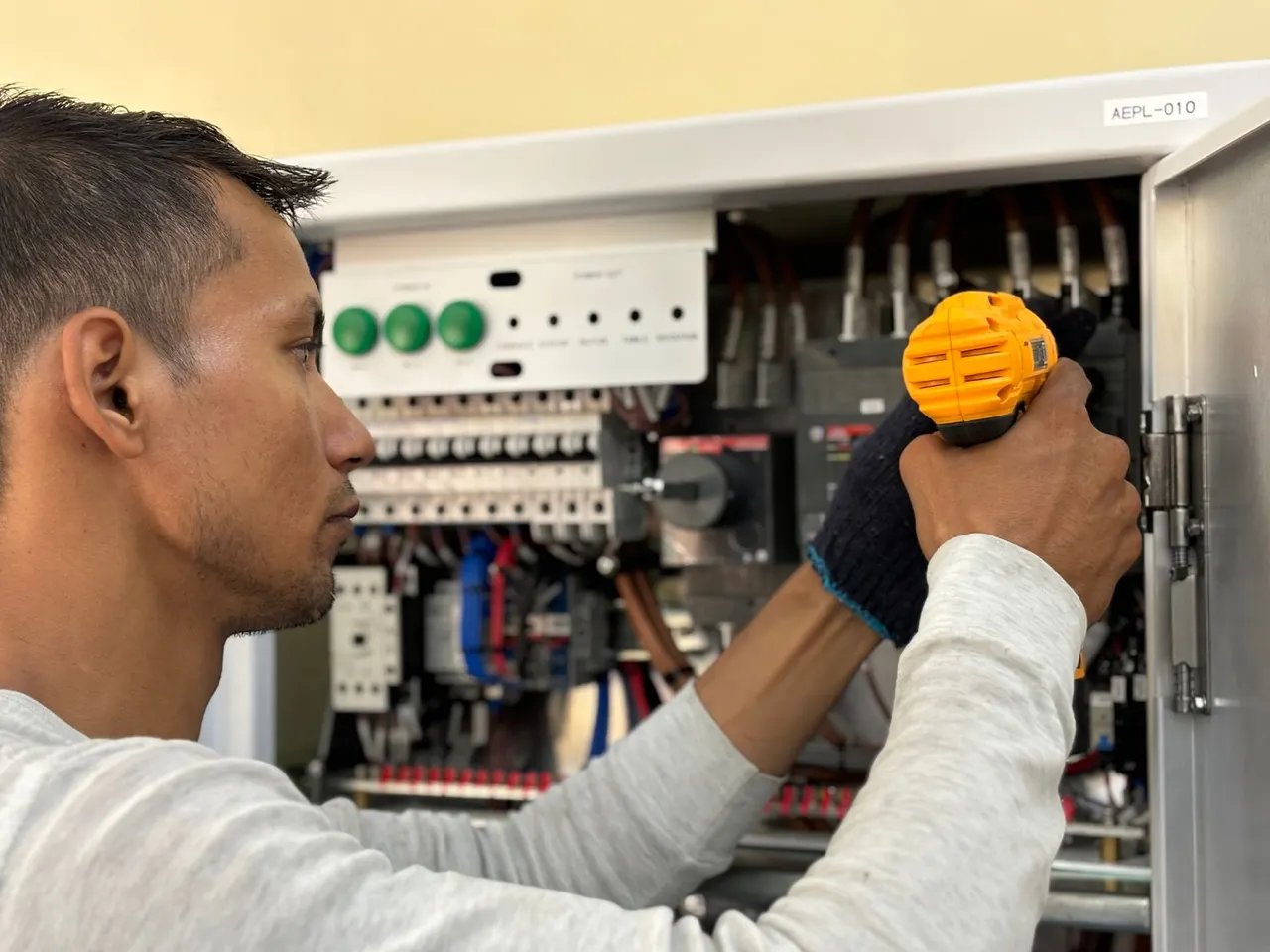
We remove the aluminum branch circuits and replace them with copper Romex NM-B, then terminate every device with copper pigtails. This is the permanent fix, not a pigtail retrofit that leaves the aluminum in the walls. Aluminum expands and contracts more than copper, so terminations loosen over time and develop resistance. That resistance is what starts fires at the receptacle, often behind a piece of furniture where nobody sees it.

We pull the knob and tube out entirely and run grounded copper circuits to every room. You get real three-prong outlets, AFCI protection, and wiring that can legally sit under attic insulation. Knob and tube has no equipment ground, so three-prong outlets in the house are either ungrounded or illegally bootlegged. It also cannot be buried in insulation, which makes attics a fire risk.
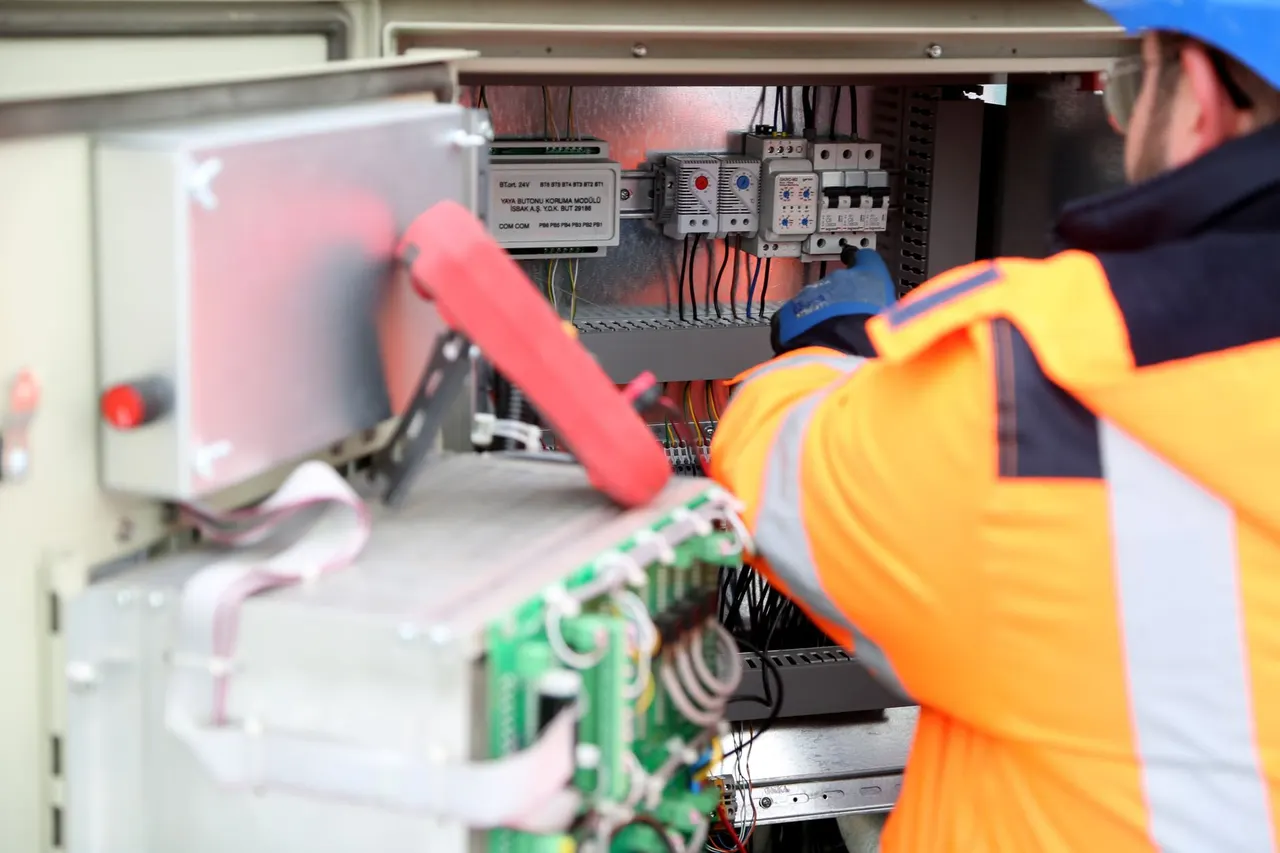
We upgrade the service and panel as part of the rewire, typically to 200 amps, and distribute the load across properly sized circuits. The workaround cords go away because the capacity is finally there. A 60-amp service cannot carry a heat pump, an EV charger, and a normal kitchen load at the same time. Homeowners work around it with extension cords and unplugged appliances until something overheats.
Old 60-amp service and undersized 14-gauge circuits cannot carry a modern kitchen, laundry, and HVAC load at once. We calculate the real demand, run dedicated 20-amp circuits where they belong, and separate the loads so a microwave and a space heater stop fighting over one breaker.
Warm faceplates, brown scorch marks, and a faint burning smell at the receptacle mean resistance in the connection. Replacing backstabbed aluminum with copper pigtails and torque-tested terminations removes the heat source. We test every outlet with a GFCI tester and clamp meter before we close the wall.
Several carriers now ask for a wiring disclosure on homes built before 1980, and aluminum or knob and tube answers get policies declined or surcharged. A completed rewire with permit sign-off gives you documentation that satisfies underwriters and a home inspector in one pass.
A rewire is the right time to pull a 240-volt run to the garage for a Tesla or Generac setup, and to leave spare capacity in the panel for future solar. Doing it during the rewire costs far less than opening finished walls a second time next year.
Clear records you can keep and share.
Circuit counts and fixed price
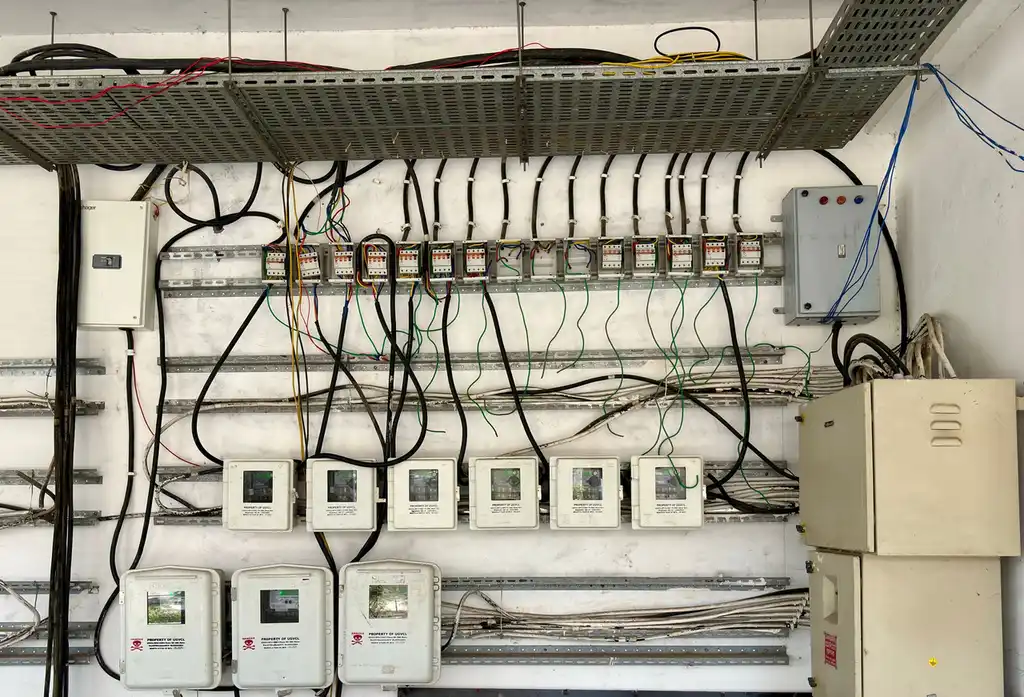
Every breaker labeled by room
Room-by-room reference you keep
A rewire replaces the conductors inside your walls, not just the outlets you can see. That distinction decides whether the fix lasts or the problem comes back.
Copper pigtails at each device reduce heat but leave the aluminum in the walls. A full rewire removes it. The second option is the permanent fix.
Knob and tube has no equipment ground, so three-prong outlets are not actually grounded. New copper circuits give you real grounding and AFCI protection.
A load calculation sizes the panel to how you actually live. Skipping it is how homeowners end up with a new panel that still trips in summer.

Outside these areas? Call and ask, we may still reach you. (866) 273-0386
Most full rewires in Citrus Heights run $8,000 to $20,000 in 2026, with the average single-story home landing near $12,000. Square footage, attic and crawlspace access, panel size, and how many fixtures you are adding all move the number. A partial rewire of just the kitchen and laundry circuits can come in under $4,000. We give you a fixed written price after the walkthrough, so the range you hear on the phone is the range on the invoice.
Four signs point to a rewire rather than a repair: aluminum branch wiring, knob and tube wiring, cloth-insulated cable, or a 60-amp fuse panel. Add warm faceplates, breakers that trip weekly, and lights that dim when the fridge kicks on, and you are past the point where new outlets will help. If your home was built before 1980 and has never been rewired, an inspection is worth the visit.
A typical 1,500 to 2,000 square foot Citrus Heights home takes five to ten working days for the rough-in and finish, plus the inspection window. Larger homes with hard-to-reach attics run two to three weeks. We phase the work so you keep power to the fridge and at least one bathroom each night, and we give you a day-by-day schedule before we start cutting.
Standard policies do not cover a rewire as maintenance, since worn wiring is considered deferred upkeep. Insurance may pay if a specific covered event, like a fire or a rodent-chewed run, damaged the wiring. The bigger issue is underwriting: many carriers now decline or surcharge homes with aluminum or knob and tube wiring. A completed, permitted rewire usually clears that objection.
Call (866) 273-0386 and we will schedule a walkthrough, run the load calculation, and hand you a fixed written price. If your panel is aluminum or your breakers trip weekly, do not wait for a fire to make the decision for you.
Call us at (866) 273-0386 or send an email to info@grayandsonselectrical.com. We answer the phone during business hours and triage emergency calls after hours. Most repair jobs get scheduled same-day or next-day, and panel work gets a written quote before we order anything.