Written scope
Circuit, breaker, run length and mounting location
If you just brought home an EV and the 120V cord isn't cutting it, we handle EV Charger Installation Citrus Heights CA homeowners actually need: a dedicated 240V line, the right breaker, and a charger mounted where your car parks. We serve Sacramento County and the 95621, 95610 and 95611 ZIPs, pulling permits and checking your panel capacity first. Most jobs are done in a single visit.
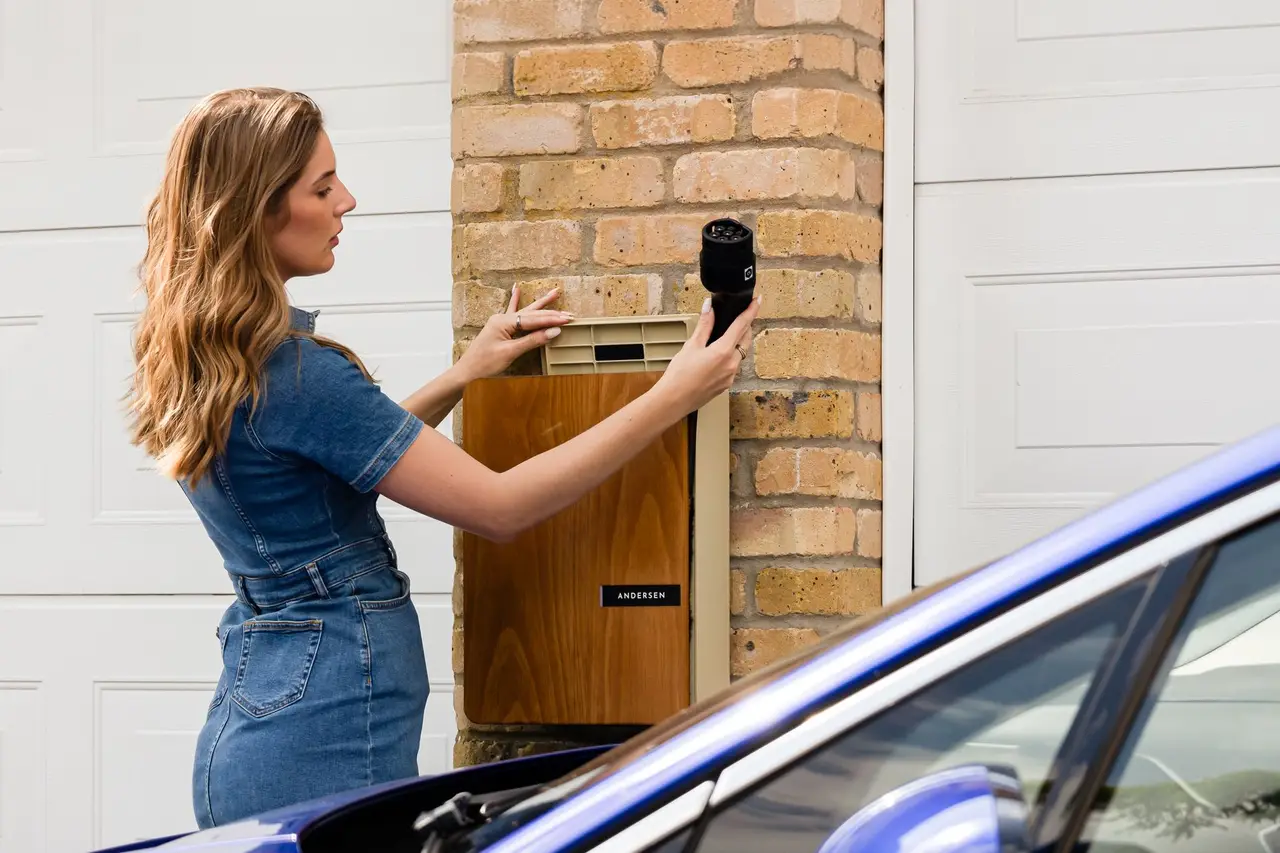
Every EV Charger Installation Citrus Heights CA job we quote includes the circuit, the permit, the labor and the inspection. The charger hardware itself is usually supplied by you or ordered separately, and we will tell you which units fit your panel and vehicle before you buy.

We install Level 2 chargers in attached and detached garages, carports and driveways across Citrus Heights. Every job starts with a load calculation so the circuit matches your panel and your vehicle.
We wire charging stations for small commercial properties, multi-unit buildings and fleet parking. Each site gets a load assessment and a circuit plan that fits the existing service.
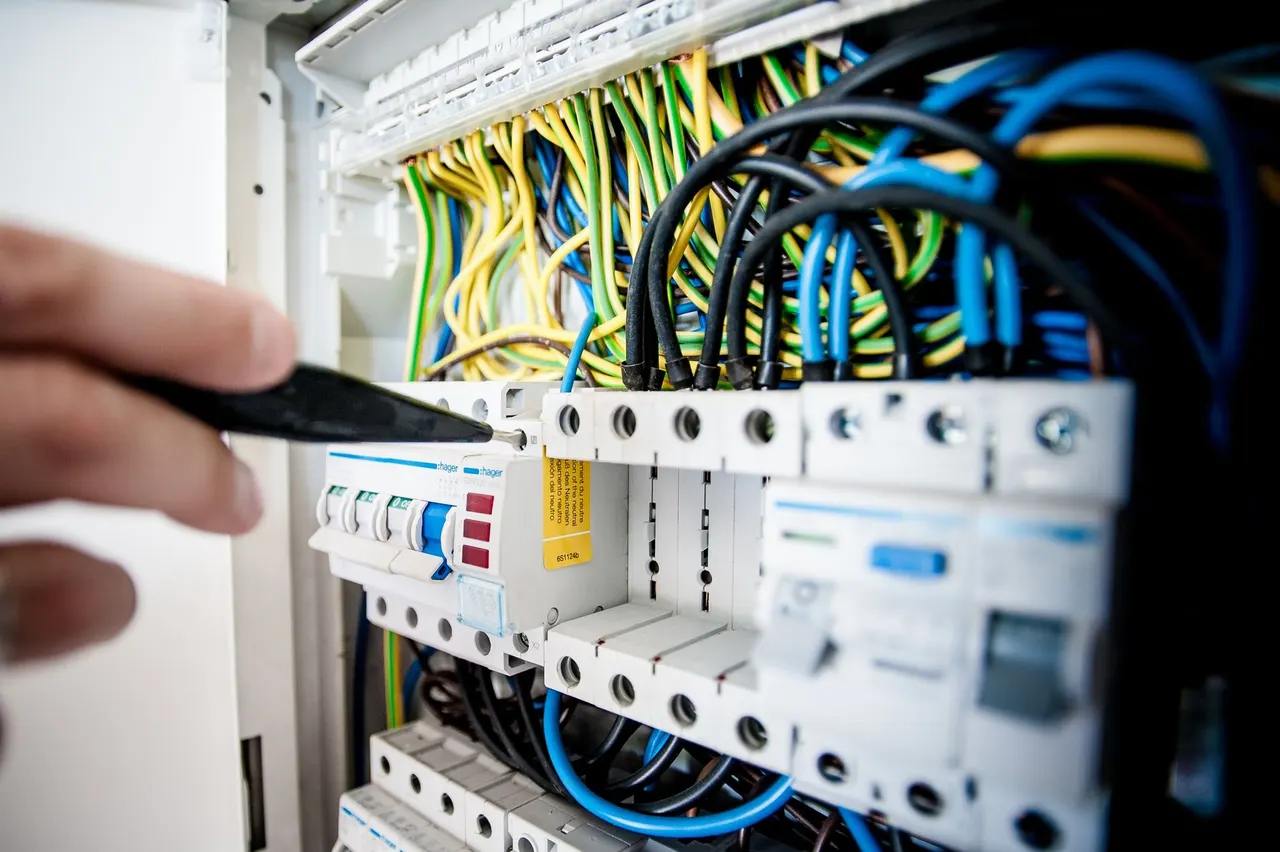
EV Charger Installation Citrus Heights CA is the licensed electrical work of running a dedicated 240-volt circuit from your main panel to a wall-mounted charging unit, usually a Level 2 station rated 32 to 48 amps. That means a new double-pole circuit breaker, 6-gauge or 8-gauge Romex NM-B cable or THHN wire in EMT conduit, a properly grounded receptacle or hardwired connection, and a load calculation to confirm your service can carry the extra draw. It is not a plug-and-play job.
Most Citrus Heights garages were wired decades before anyone owned an EV. A typical 100-amp panel already carries a range, dryer, AC condenser and microwave, so adding a 40-amp charger without a load calculation is how you end up with tripping circuit breakers every evening. We check panel capacity with a clamp meter, verify grounding, and tell you straight whether a Level 2 EV charger install Citrus Heights fits your existing service or needs a panel upgrade first.
We check the panel first, then run a dedicated 240V circuit sized to your car and your service.
Five steps from your first call to a working charger in the garage. No mystery, no surprise line items, no waiting a week for a callback.
You call (866) 273-0386 and tell us your vehicle, your panel size if you know it, and where you want the charger. We ask about the garage layout, whether the panel is inside or outside, and how far the run is. That conversation takes about ten minutes and sets up everything that follows.
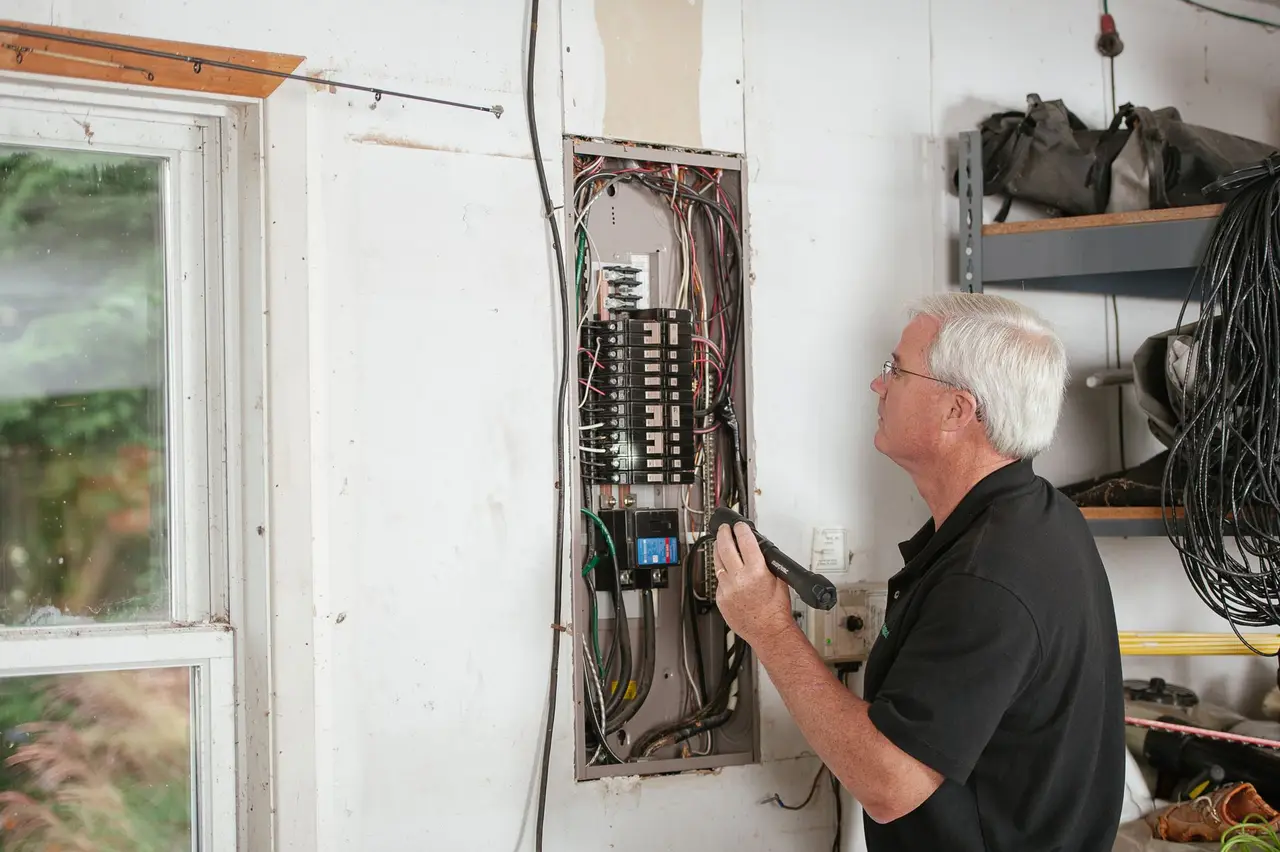
We open the panel, photograph the breaker layout, and run a load calculation against NEC Article 220. A clamp meter confirms actual draw on the service. If your 100-amp panel is already near capacity, we tell you before quoting the charger circuit, not after.
We pull the electrical permit through the City of Citrus Heights and give you a fixed price covering the circuit, breaker, conduit, charger mounting and inspection. If a panel upgrade is needed, that is a separate line item you see upfront. Nothing gets added later without your say-so.
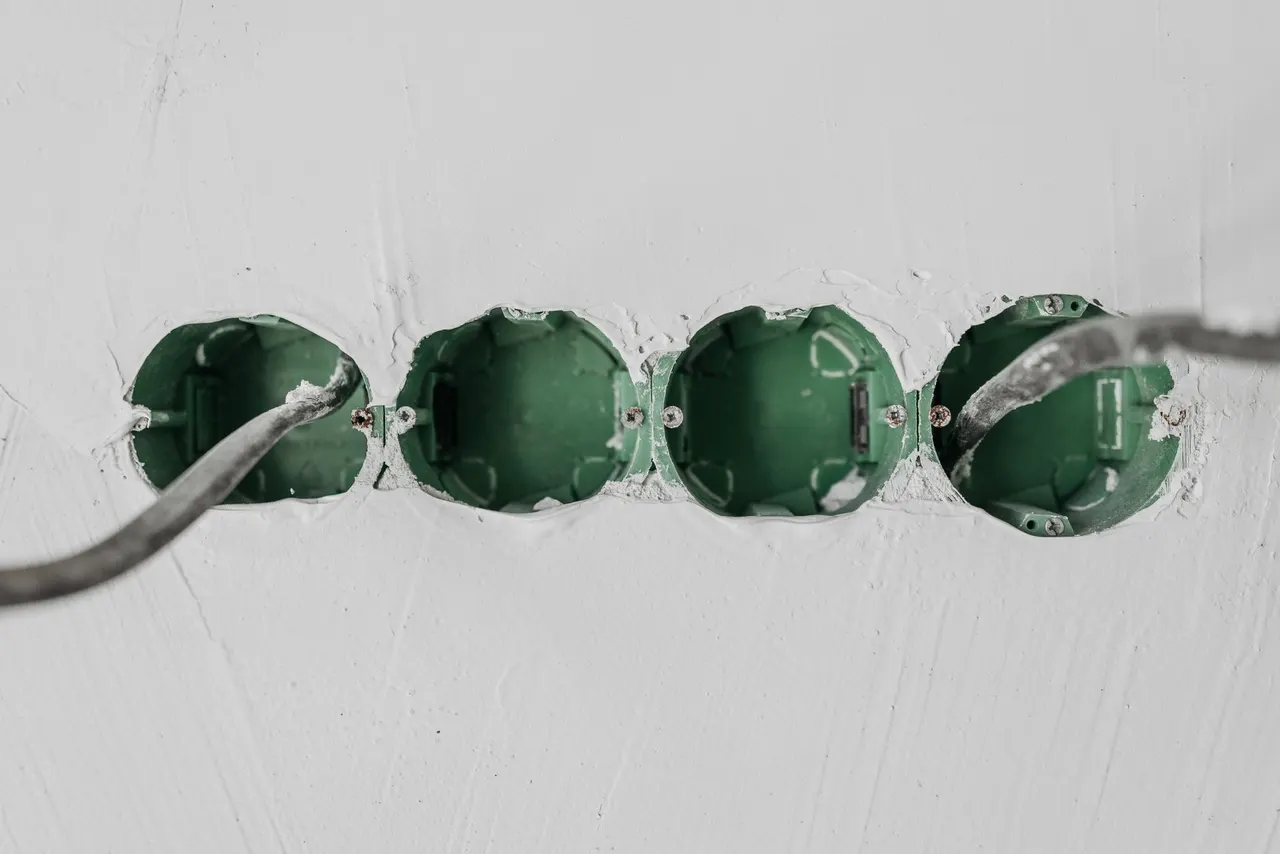
Most installs take three to five hours. We run the cable or conduit, install the breaker, mount the charger at your preferred height, and terminate every connection to torque spec. Drywall gets fished cleanly where possible, and we use a hole saw and fish tape rather than cutting a trench through your finished garage wall.
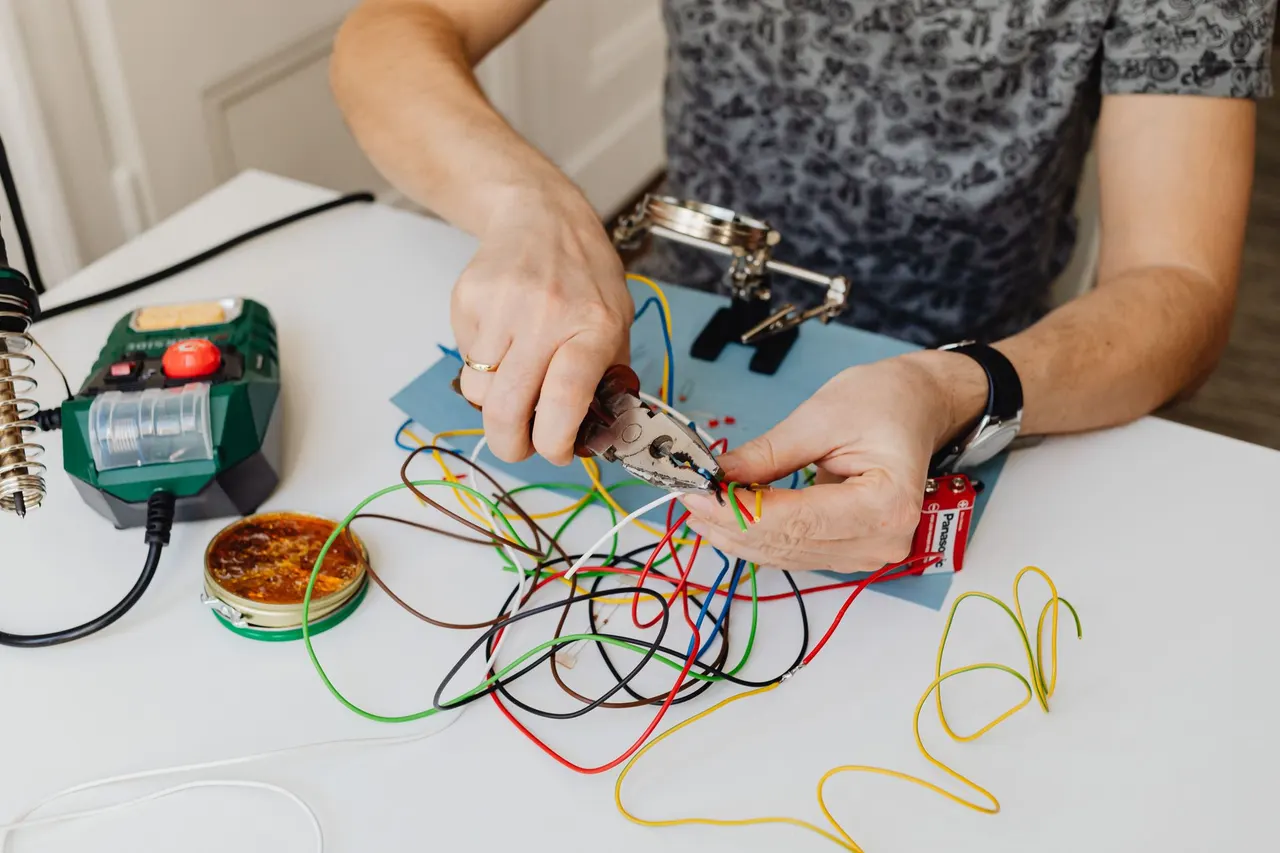
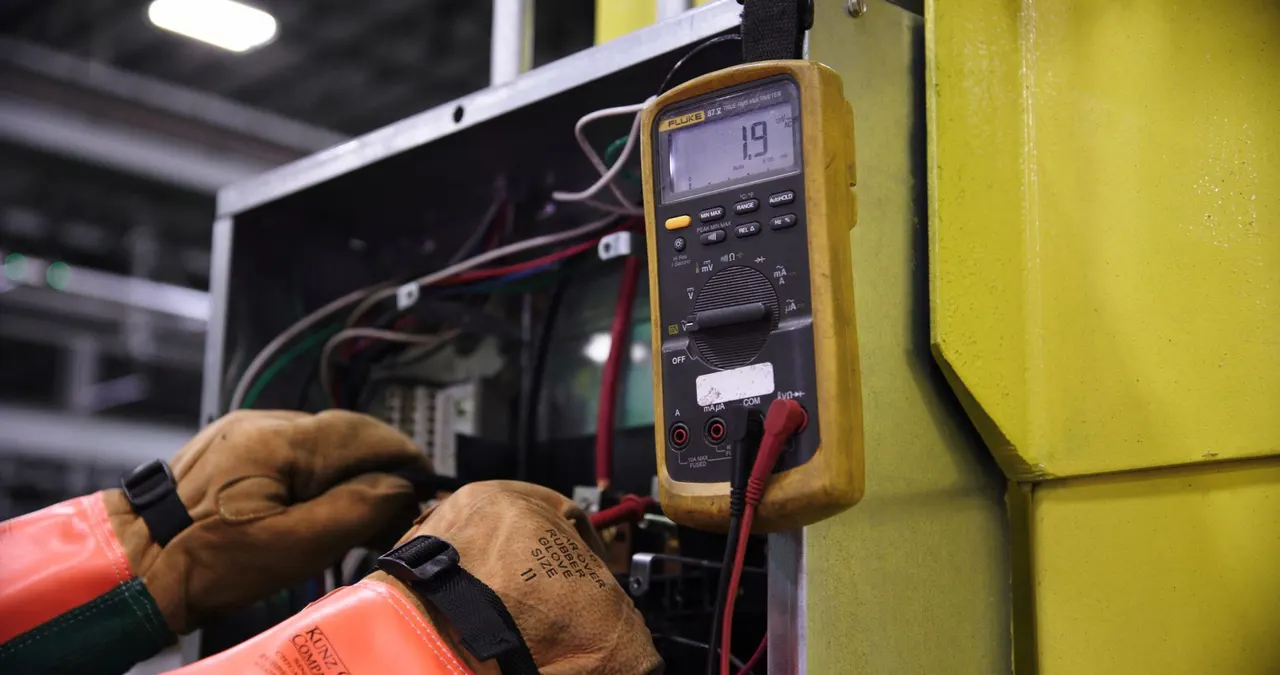
We power up, verify voltage at the charger with a multimeter, run a full charging cycle, and check for heat at the breaker with a clamp meter. Then we walk you through the app setup, the amperage setting, and what to do if the breaker ever trips. Inspection is scheduled before we leave.
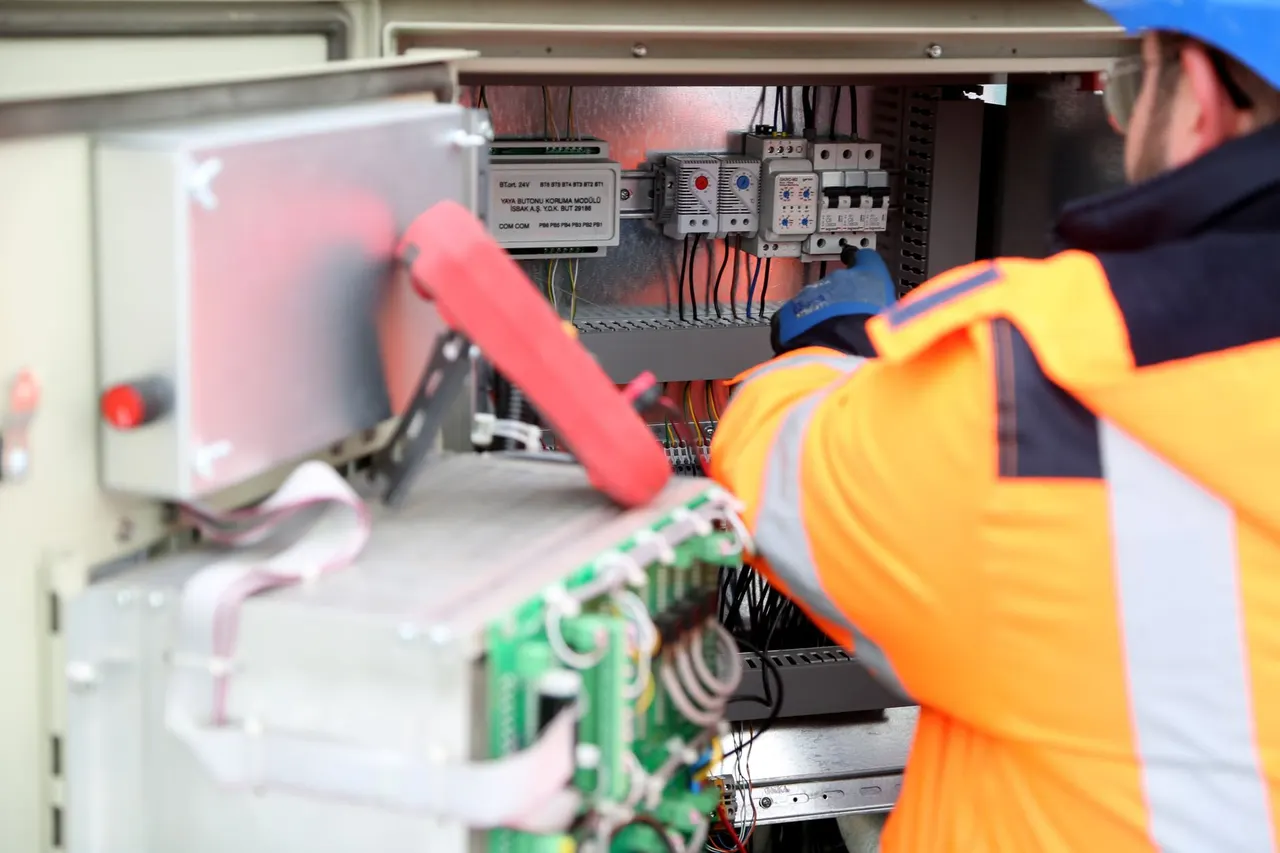
Measures actual amperage draw on the service during the load calculation and checks breaker temperature after a full charging cycle to confirm the circuit is not running hot.
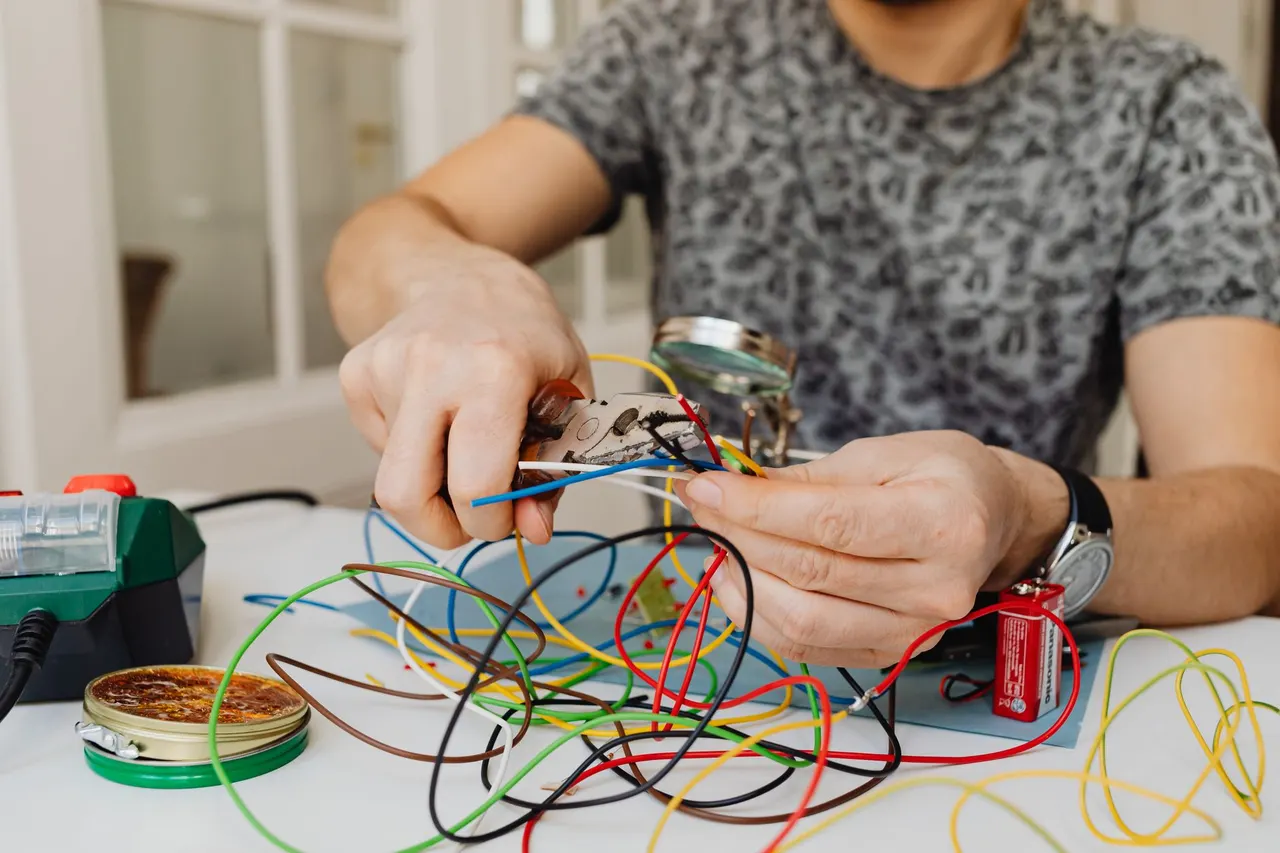
Verifies voltage at the charger terminals and confirms proper grounding before we energize the circuit. Every install gets a final voltage reading documented.
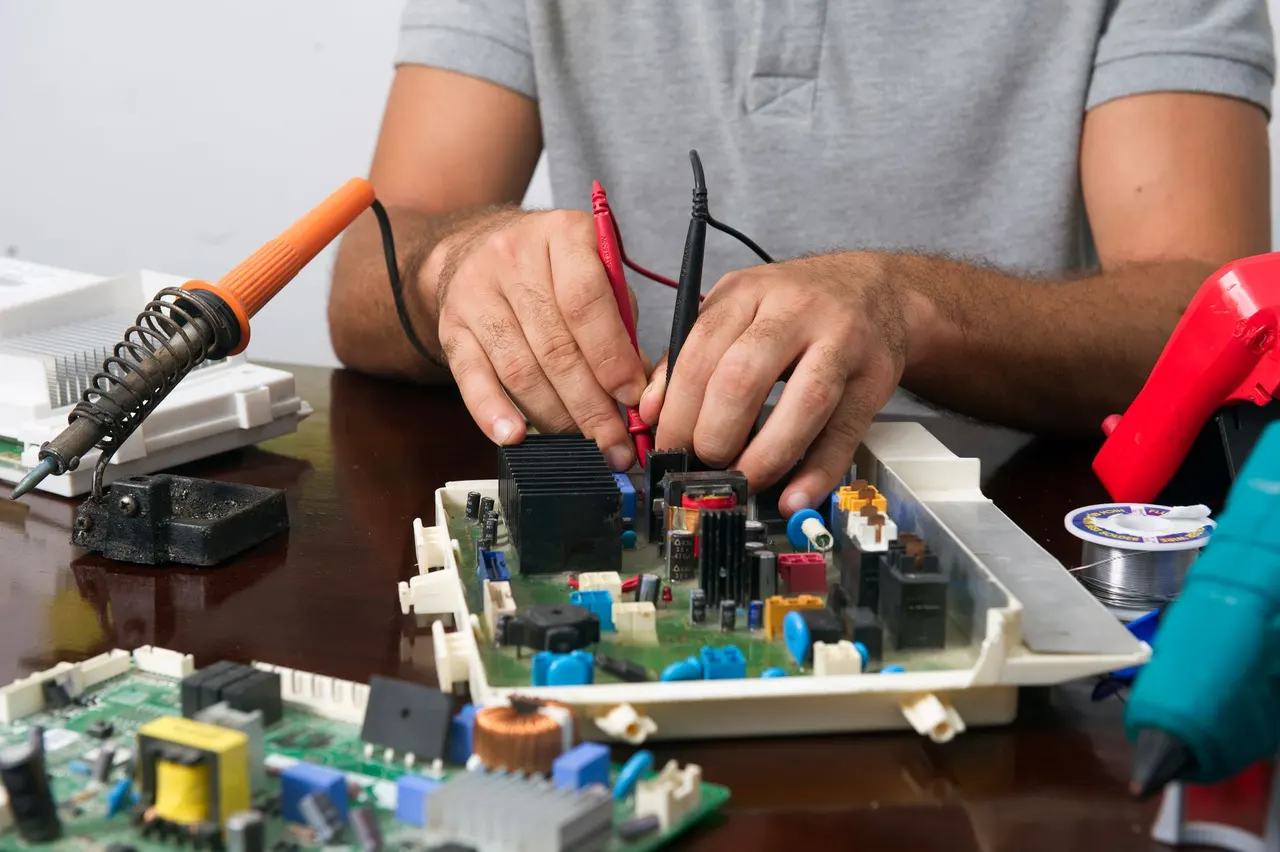
Confirms ground fault protection is functioning on the circuit and that the receptacle or hardwired connection is wired correctly before the charger is plugged in.
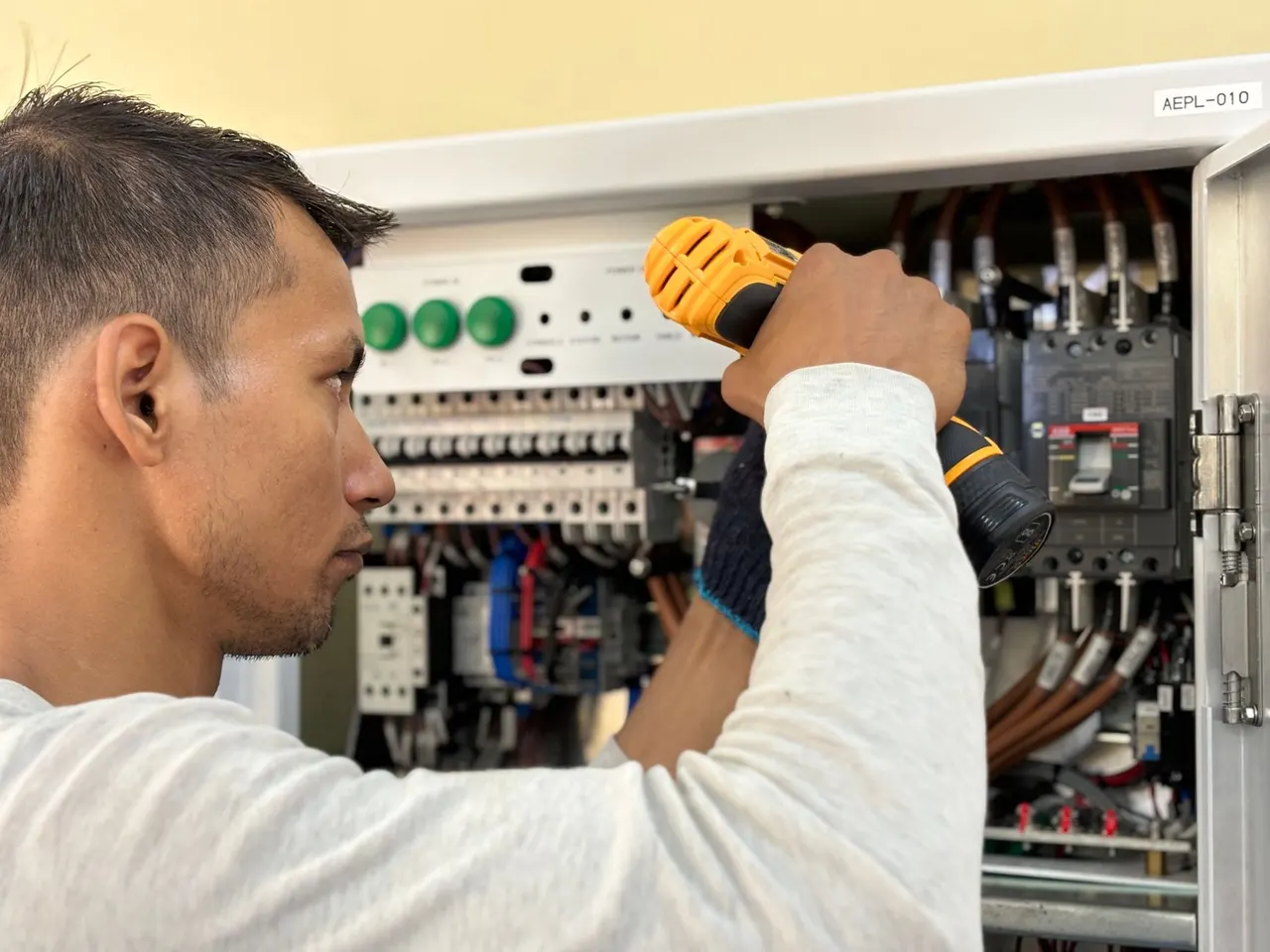
Used to route cable through finished garage walls with minimal drywall damage. Cleaner than surface conduit when the panel and charger location allow a concealed run.
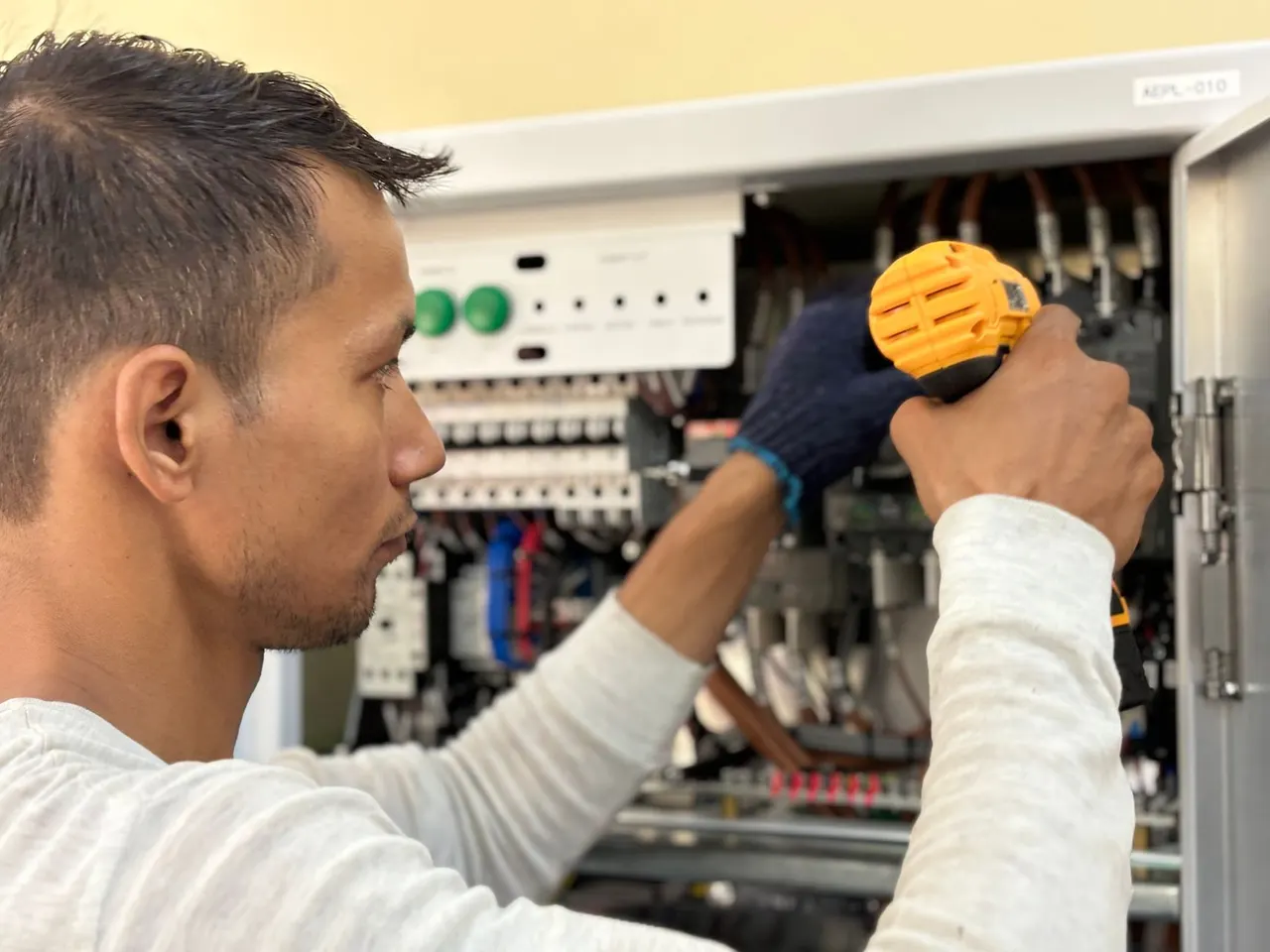
Shapes EMT conduit for exterior runs, detached garage feeders and panel-to-charger paths where surface mounting is required or preferred for code compliance.
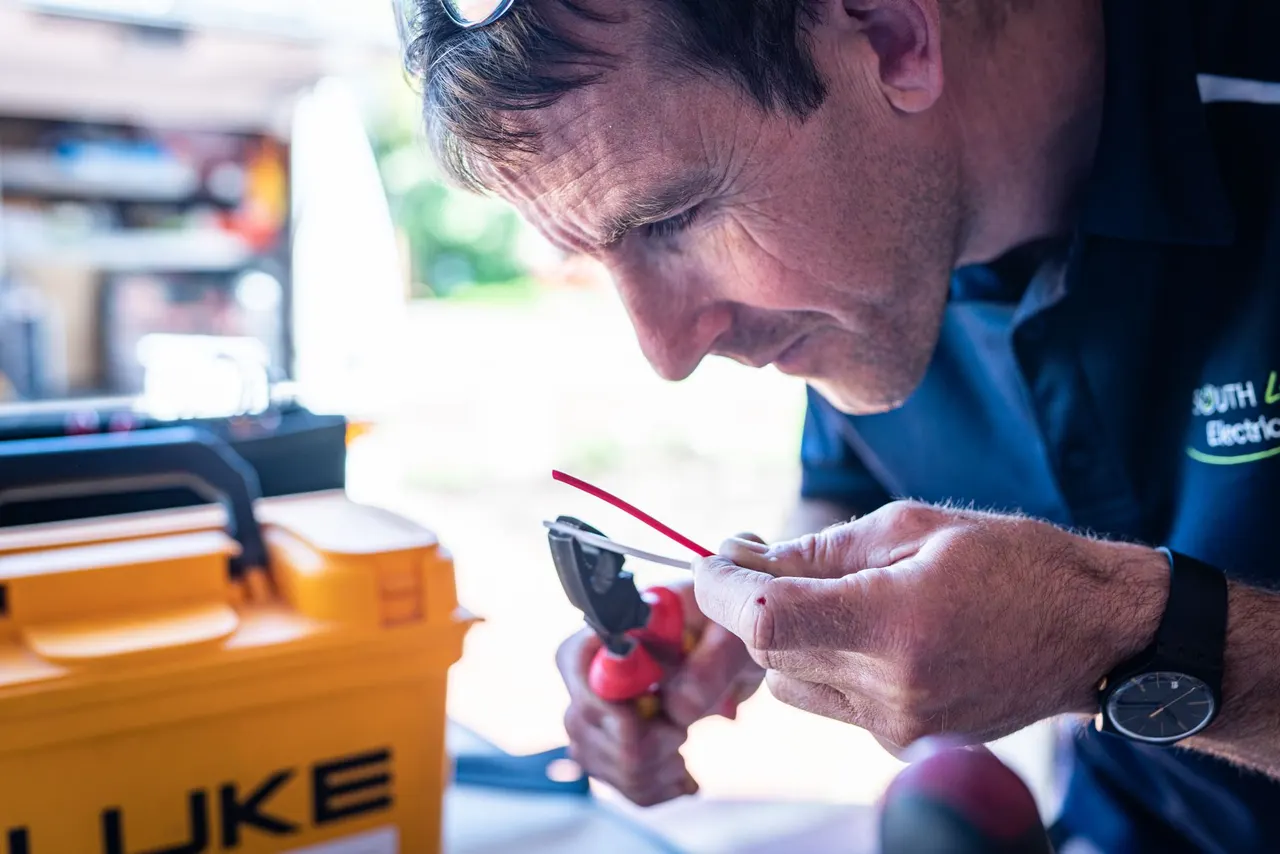
Terminates breaker lugs and charger connections to manufacturer-specified torque values, which prevents loose connections that cause heat and arcing over time.

The code-standard method for determining whether your existing service can carry a new 240V load. We calculate the total connected load, apply demand factors, and compare against your panel rating. This is what tells us if a charger fits or if a panel upgrade comes first.
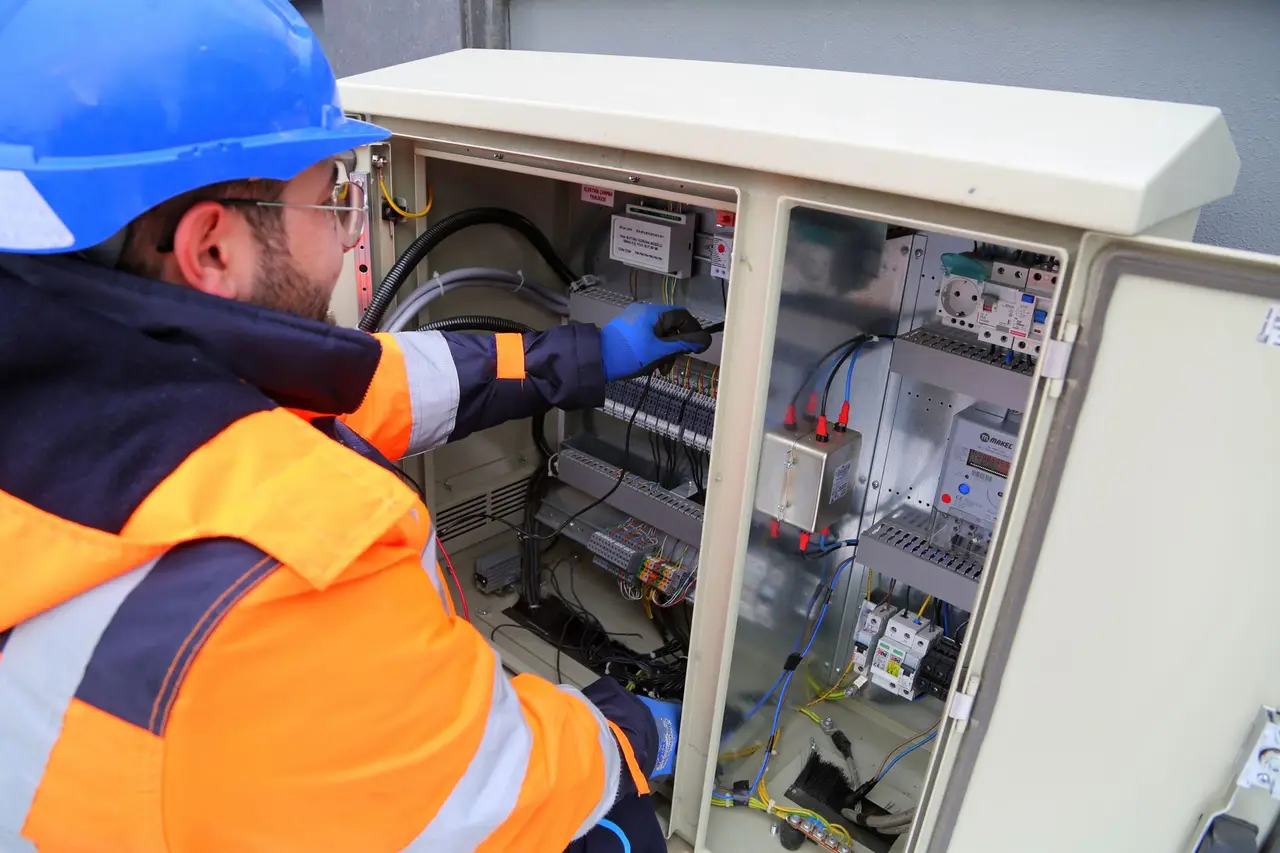
The section of the National Electrical Code that governs EV charging equipment installation, including circuit sizing, disconnect requirements and GFCI protection. Every charger circuit we install is designed to meet it.
We install a Level 2 charger on a dedicated 240V circuit, sized to your vehicle's onboard charger and your panel capacity. Most installs take three to five hours, and you get a full charge overnight from then on. You wake up to a full battery every morning and stop planning your day around charging stops.
We assess whether your panel can support two 240V circuits or whether a single higher-amperage circuit with a dual-charger setup makes more sense. We run the load calculation and quote both options. Two vehicles charge on a schedule that fits your panel, without tripping breakers or overloading the service.
We run a feeder to the detached garage, install a subpanel, and then wire the charger circuit from there. This keeps the run shorter and gives you room for future garage outlets or lighting. The garage becomes a proper charging bay with capacity for the charger plus whatever you add later.
We inspect the circuit, check wire gauge and breaker size against the charger's rating, verify grounding and torque, and correct anything that does not meet NEC code. If a permit is needed, we pull it. You get documentation, a code-correct circuit, and confidence that the charger is not a fire risk hiding behind the drywall.
Citrus Heights has a housing mix that shapes every charger job. Large parts of Downtown Citrus Heights, Birdcage Heights and the Van Maren Lane Area were built in the 1950s through the 1970s with 100-amp panels, and many of those panels are already carrying a range, dryer and central AC. Before we quote a level 2 EV charger install Citrus Heights CA, we run a load calculation and check actual draw with a clamp meter. If the numbers are tight, we tell you a panel upgrade comes first. Newer neighborhoods like Crosswoods and Twin Oaks often have 200-amp service and attached garages, which makes for a straightforward three-to-five-hour install. Summer heat matters too. Garage temperatures in Sacramento County regularly push past 100 degrees, and a charger running at full amperage in that heat stresses terminations. We torque every lug to spec and check breaker temperature after a full charge cycle. Detached garages are common in the older parts of town, and those usually need a feeder and subpanel before a charger goes in. If you are pricing the cost to install EV Charger in Citrus Heights CA, the two biggest variables are panel capacity and the distance from panel to charger.
A homeowner in Birdcage Heights had a 100-amp panel carrying a range, dryer and central AC. A previous contractor quoted a full panel upgrade before installing a charger, adding thousands to the job. The homeowner wanted a second opinion before committing.
Our load calculation showed the service could carry a 40-amp charger circuit with margin to spare. We installed a dedicated 240V circuit with a 40-amp double-pole breaker and a hardwired Level 2 unit. The inspection passed first time, and the homeowner saved the cost of a panel upgrade.
Keep the area around the charger clear, check the breaker annually for heat or discoloration, and leave the charger set to the amperage we configured. If the breaker ever trips repeatedly, call us rather than resetting it and ignoring the cause.
A Van Maren Lane Area home had a detached garage with only a single 120V outlet and no subpanel. The owner was charging on a standard cord and getting about 4 miles of range per hour, which never fully charged the car overnight.
We ran a feeder from the main panel to a new subpanel in the detached garage, then installed a dedicated 240V charger circuit. The owner now gets roughly 30 miles of range per hour and a full charge overnight, with capacity left in the subpanel for future garage lighting and outlets.
Label the subpanel breakers clearly, keep the feeder conduit clear of stored items, and have the subpanel connections checked if you notice any flickering lights in the garage. Annual visual inspection of the conduit run is enough.
A Mesa Verde homeowner discovered during a pre-sale inspection that the garage charger had been installed without a permit on a shared circuit with a dryer. The wiring was undersized for the charger's amperage setting, and the breaker had tripped repeatedly.
We pulled the permit, replaced the undersized wire with 6-gauge Romex NM-B, installed a dedicated 60-amp breaker, and corrected the charger's amperage setting to match the circuit. The inspection passed, and the homeowner had documentation to hand the buyer.
Keep the permit and inspection paperwork with your home records. Check the breaker annually for heat, and do not increase the charger's amperage setting beyond what the circuit is rated for.
Not every charger job is a fresh install. Plenty of Citrus Heights calls start with a charger that was wired wrong, a breaker that keeps tripping, or a panel that was never sized for the load. Here is what we run into most.
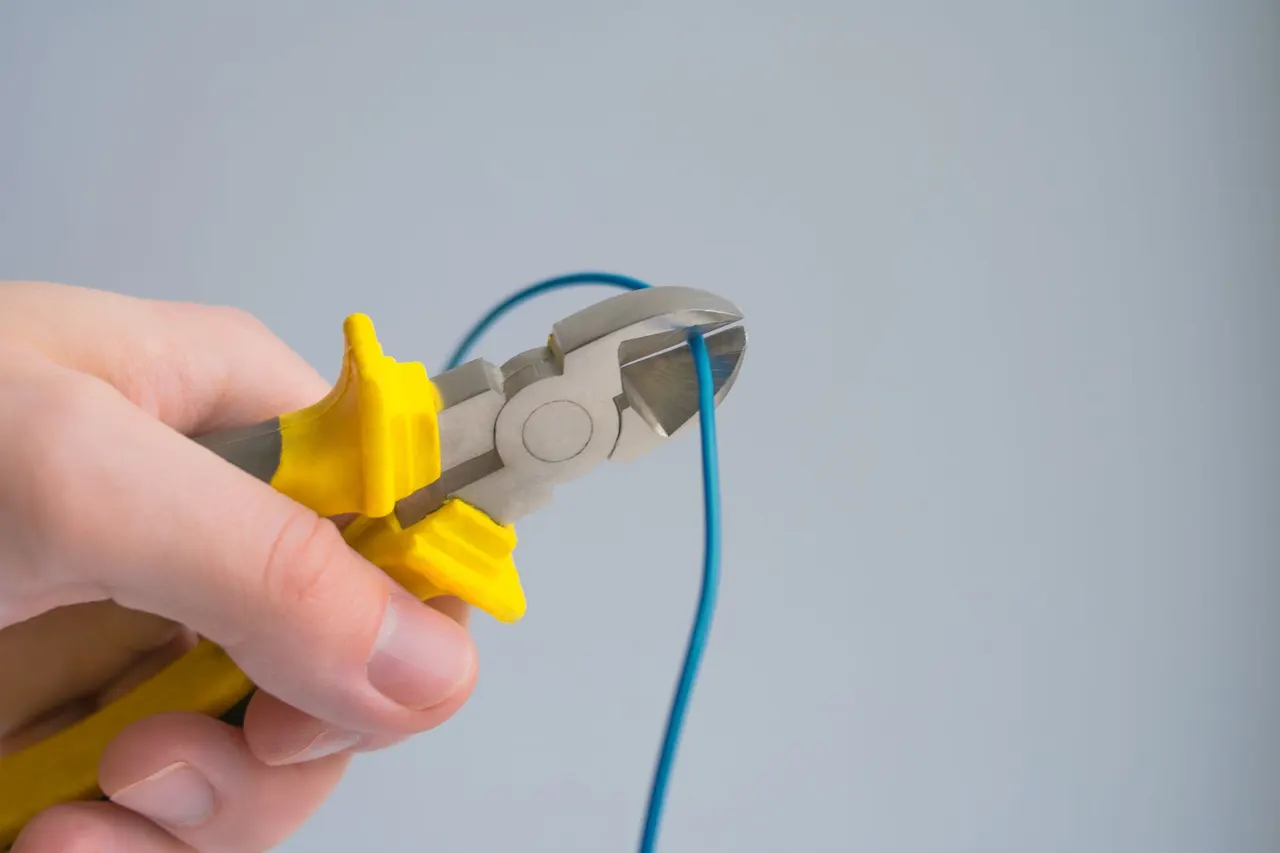
We measure actual draw with a clamp meter, check the breaker size against the charger's amperage setting, and verify the wire gauge matches. Often the fix is correcting an oversized charger setting or replacing an undersized breaker with the right Square D or Eaton unit. A charger that trips the breaker mid-charge leaves you with a half-empty battery and a circuit that is telling you something is wrong. Repeated tripping overheats the breaker and shortens its life.
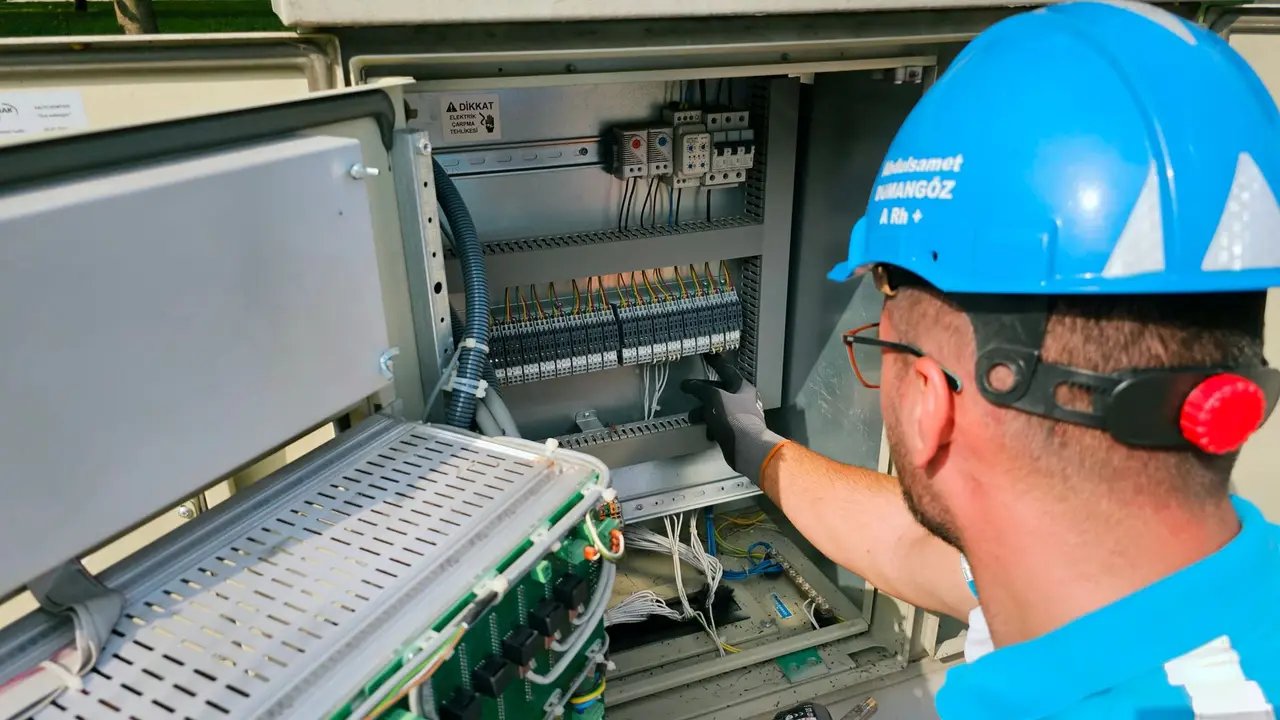
We run the load calculation and, if the numbers do not work, quote a 200-amp panel upgrade as a clear line item. That gives the charger its own space and brings the whole service up to current NEC code at the same time. A 100-amp panel already carrying a range, dryer and AC has no room for a 40-amp charger. Forcing it in causes nuisance trips, voltage sag and a failed inspection.
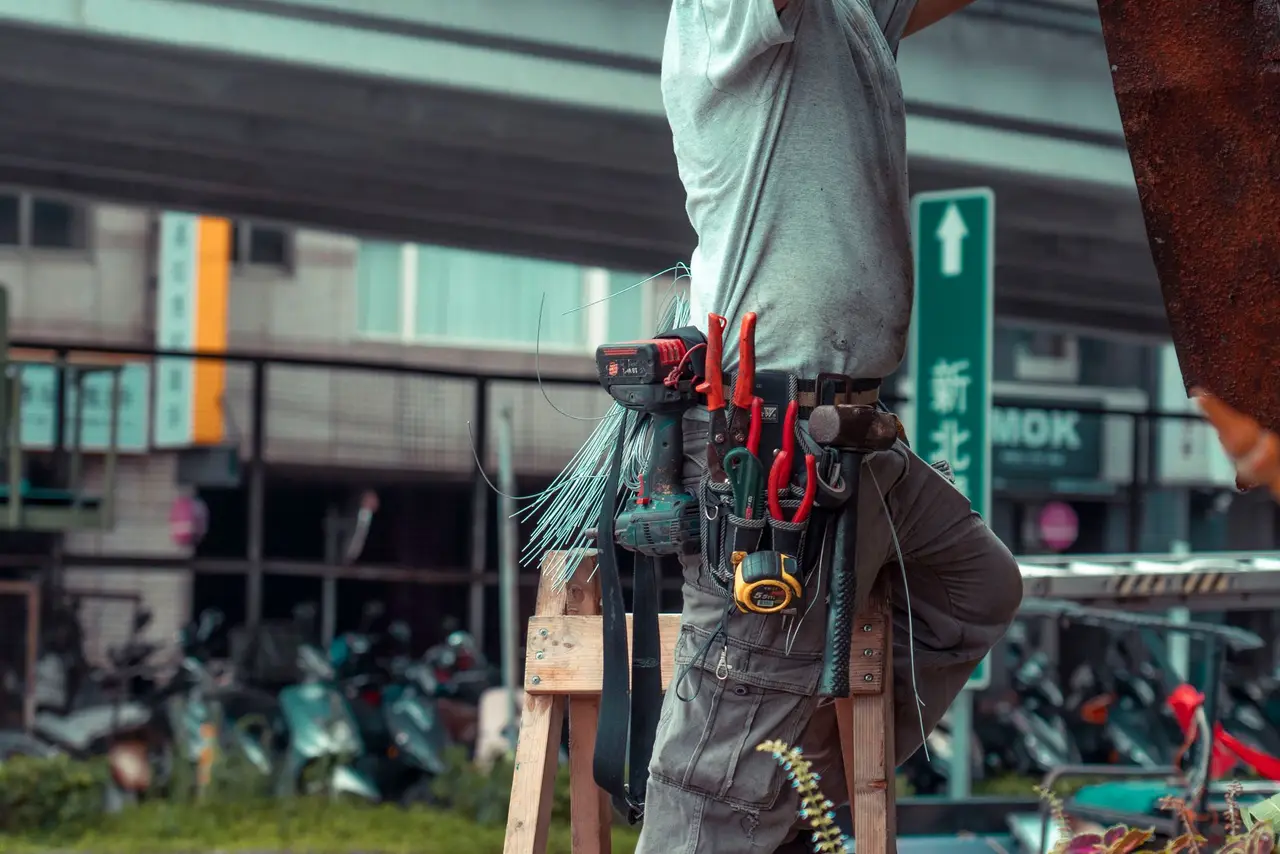
We inspect the existing circuit, correct any code violations, and pull the permit retroactively where the city allows it. If the wiring is unsafe, we redo the run properly with the correct breaker, wire gauge and grounding. An unpermitted 240V circuit can void insurance coverage on a fire claim and creates a disclosure problem at resale. Buyers' inspectors flag it, and the fix usually falls on you.
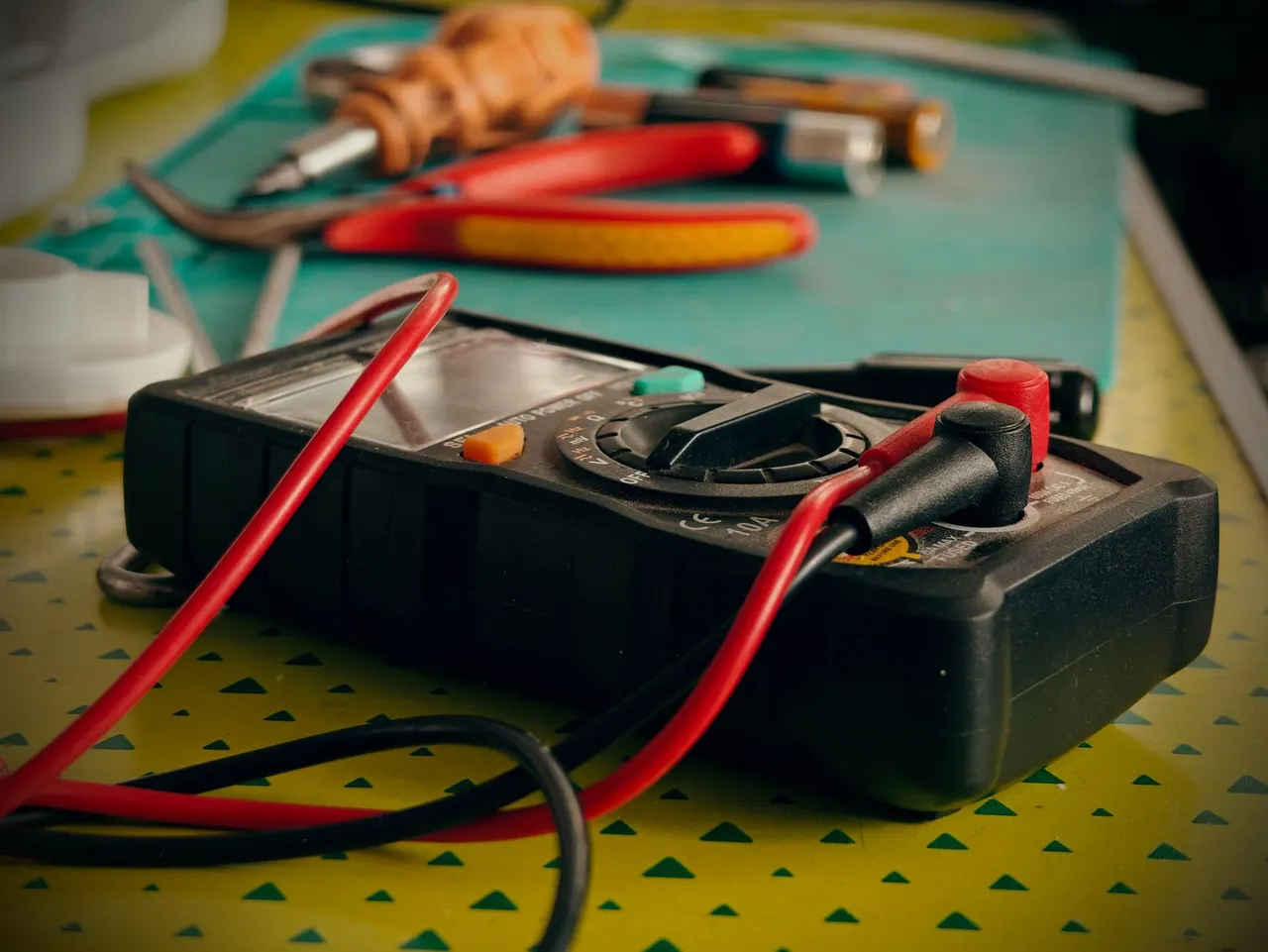
We pull a dedicated circuit for the charger so nothing else shares the load. That means a new breaker, a new run and proper separation from existing circuits, which is the only correct way to do it. Sharing a circuit with a dryer or garage freezer means the charger and the appliance fight for amperage. You get flickering lights, tripping breakers and heat at the connections.
A Level 2 unit adds roughly 25 to 40 miles of range per hour. Plug in at 9 p.m. and a 250-mile battery is full before your alarm goes off. Compare that to a standard 120V outlet, which adds about 4 miles per hour and often cannot finish a full pack in one night.
We install a dedicated circuit with the correct breaker size, torque the lugs to spec, and test with a GFCI tester before we close the panel. No extension cords across the garage floor, no adapter pigtails heating up behind a shelf, no overloaded circuits waiting to fail at 2 a.m.
Sacramento County and the City of Citrus Heights require an electrical permit for a new 240V circuit. We pull it, schedule the inspection, and leave the sticker on your panel. That paperwork matters when you sell the house and the buyer's inspector opens the panel door.
Utility and state rebates for EV charger installation Citrus Heights CA often require proof the work was permitted and performed by a licensed electrician. We hand you the invoice, permit number and load calculation so your rebate application does not get kicked back for missing documentation.
Clear records you can keep and share.
Circuit, breaker, run length and mounting location
Filed with the City of Citrus Heights
Voltage and breaker temperature documented
The charger brand matters less than the circuit behind it. Panel capacity and wire gauge decide how fast you can safely charge.
A charger can be set lower than its maximum to match your circuit. Setting it too high on undersized wire causes heat and tripping.
Hardwiring allows higher amperage and fewer connection points. A NEMA 14-50 receptacle caps charging at 40 amps but lets you swap units later.
A 100-amp panel carrying a range, dryer and AC may not have room for a 40-amp charger. The load calculation tells you before you buy hardware.
Outside these areas? Call and ask, we may still reach you. (866) 273-0386
Most Level 2 installs in Citrus Heights run $800 to $2,200 in 2026, depending on run length, panel capacity and whether the charger is hardwired. A short run from a garage-adjacent panel with capacity sits near the low end. A long conduit run, a detached garage subpanel, or a needed panel upgrade pushes toward the top. We give you a fixed quote after the load calculation, not a phone estimate.
Yes. A new 240V circuit requires an electrical permit through the City of Citrus Heights, and the work must be inspected. We pull the permit for you and schedule the inspection as part of the job. Skipping it can void homeowner insurance coverage on a fire claim and creates a disclosure problem when you sell. The permit also supports most rebate applications.
A standard install takes three to five hours on site. That covers running the circuit, installing the breaker, mounting the charger, terminating connections and testing. If your panel needs an upgrade first, add a full day. We schedule the inspection separately, usually within a few business days, and we are there to meet the inspector.
Yes. We install Tesla Wall Connectors and J1772 units from Leviton, Siemens and other brands. The Tesla Wall Connector can pull up to 48 amps, which requires a 60-amp breaker and 6-gauge wire, so the load calculation matters more than the brand. We set the amperage correctly for your panel and vehicle, then verify voltage at the unit before we leave.
Call (866) 273-0386 and we will check your panel, quote a fixed price, and pull the permit. Most installs are done in a single visit, and we meet the inspector so you do not have to take a day off work.
Call us at (866) 273-0386 or send an email to info@grayandsonselectrical.com. We answer the phone during business hours and triage emergency calls after hours. Most repair jobs get scheduled same-day or next-day, and panel work gets a written quote before we order anything.