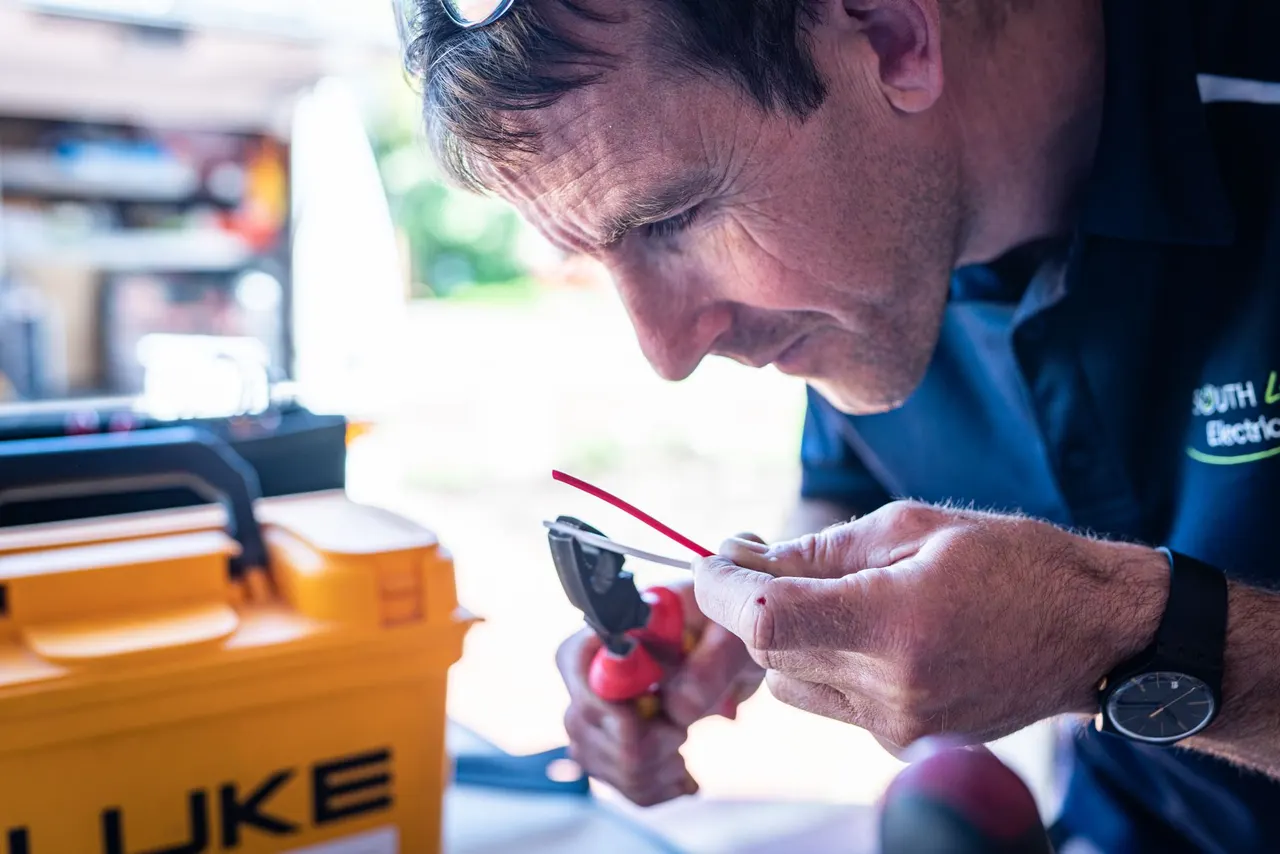
Written findings
What failed, what we tested, and what we replaced
When your lights flicker, a breaker keeps tripping, or half your outlets go dead, you need Electrical Troubleshooting & Repair Citrus Heights CA done right the first time. We trace the fault, explain what we found, and fix it the same visit whenever parts allow. From older homes near Birdcage Heights to newer builds in Crosswoods, we handle residential electrical repair Citrus Heights homeowners call about most.
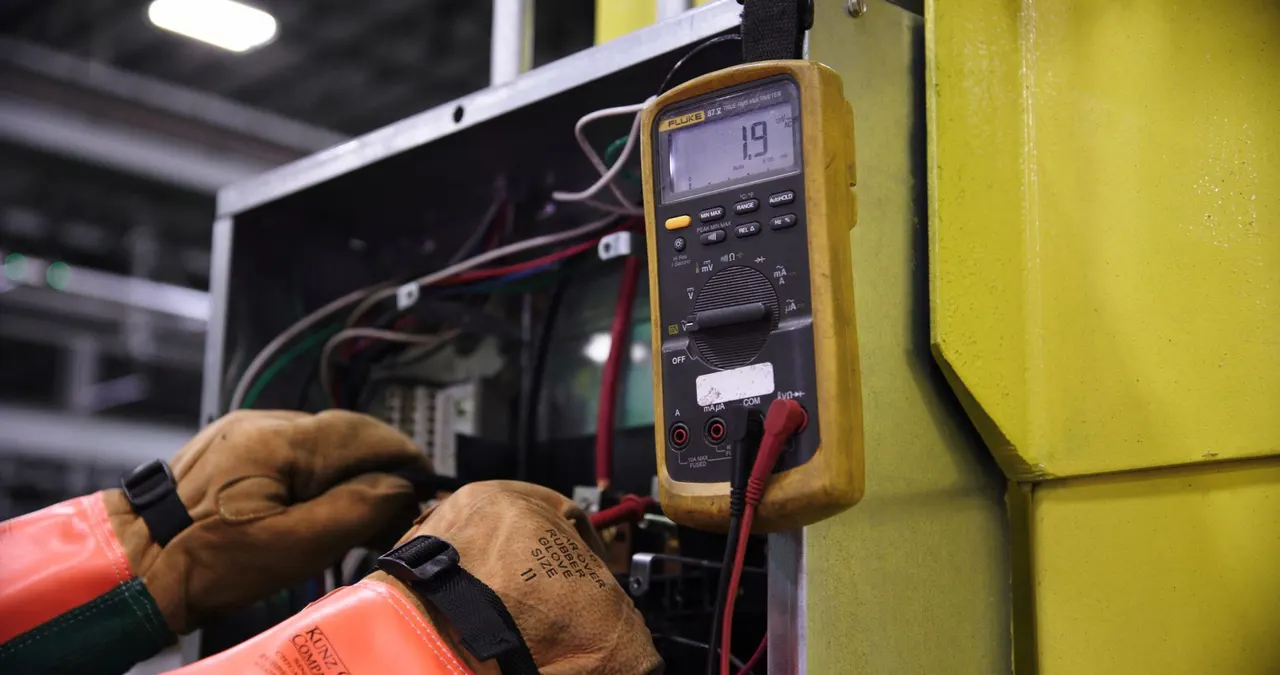
Every troubleshooting visit covers diagnosis, a written price for the repair, and the repair itself once you approve. We bring the common parts on the truck, so most jobs finish the same day. If we find something outside the original scope, we tell you before we touch it.
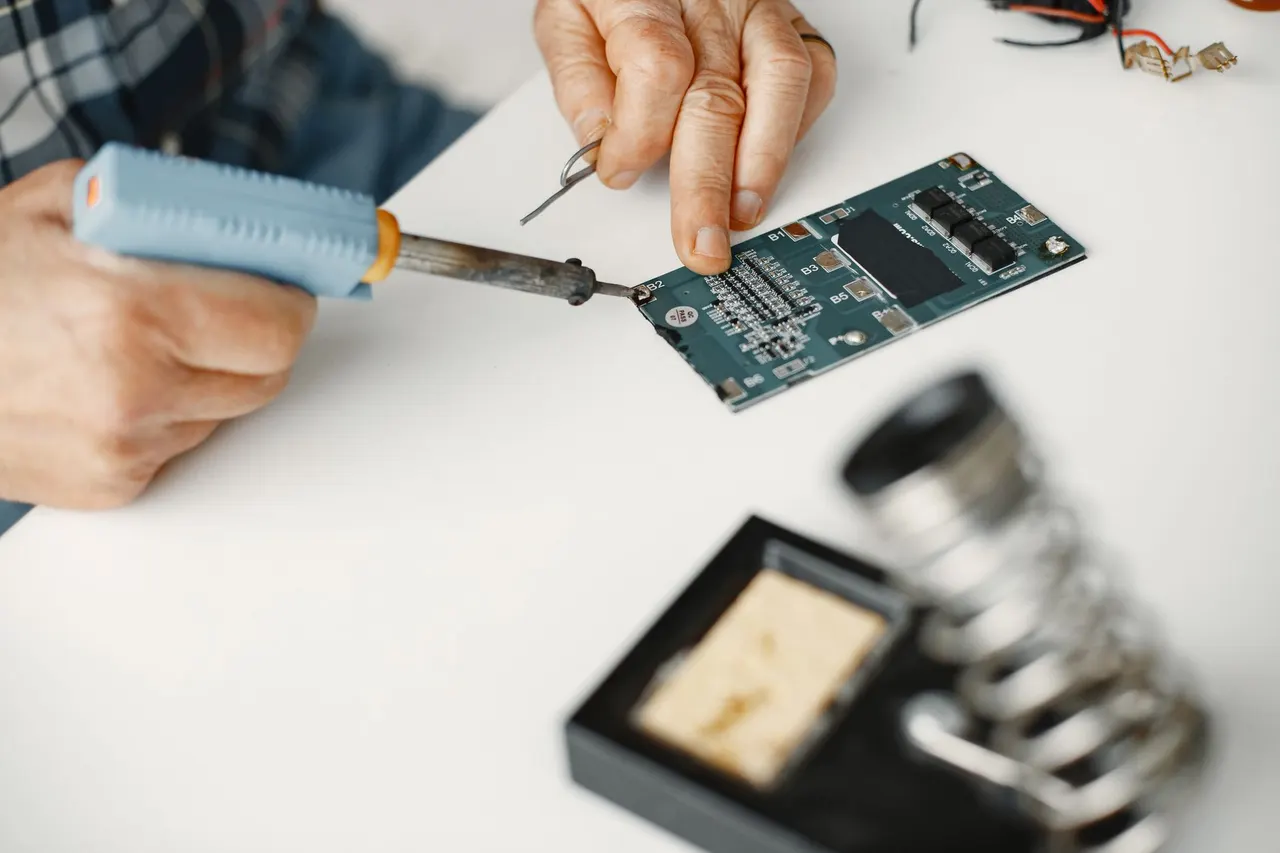
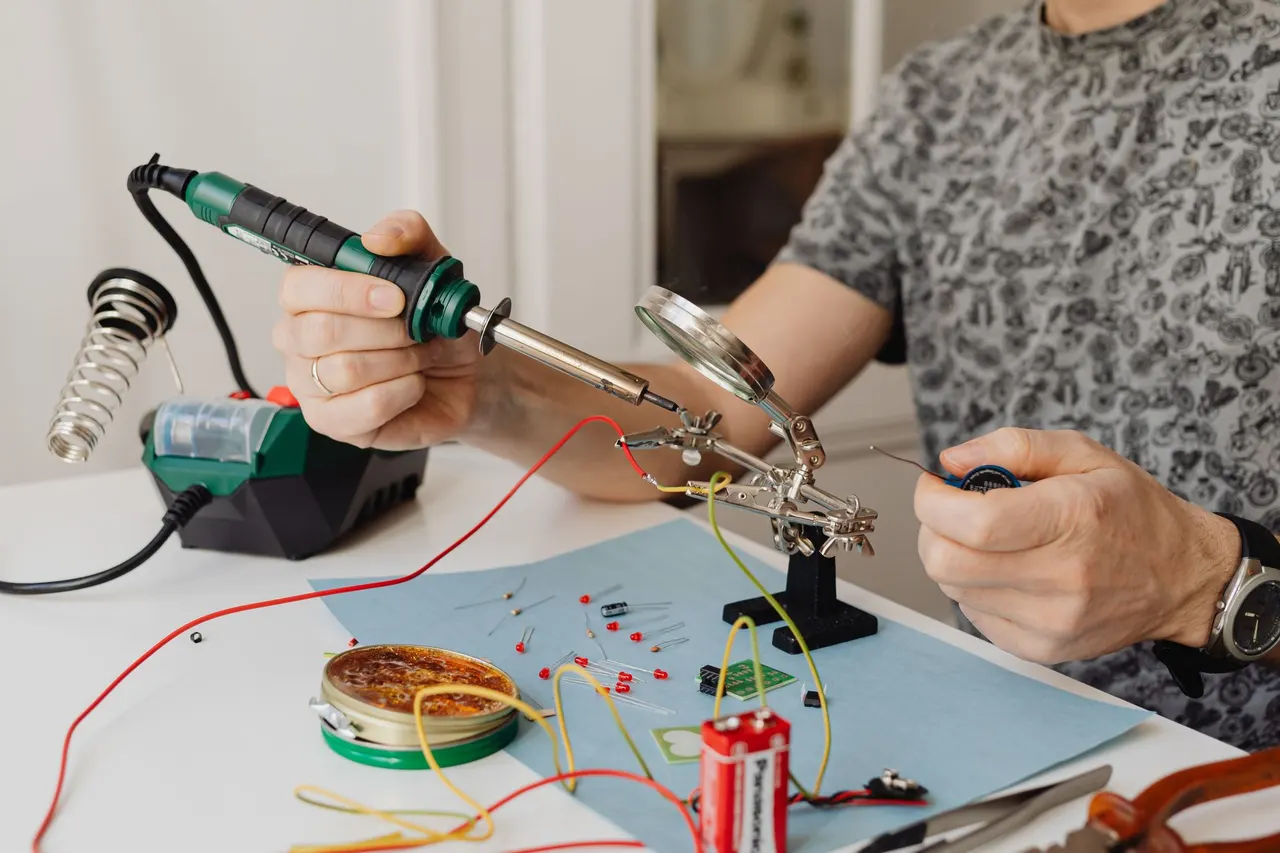
We diagnose dead outlets, tripping breakers, and flickering lights in houses across Citrus Heights. You get a clear explanation of what failed and a price before we start.
We troubleshoot electrical faults in small commercial spaces and rental properties across Citrus Heights. Work is scheduled around your operating hours so you stay open.
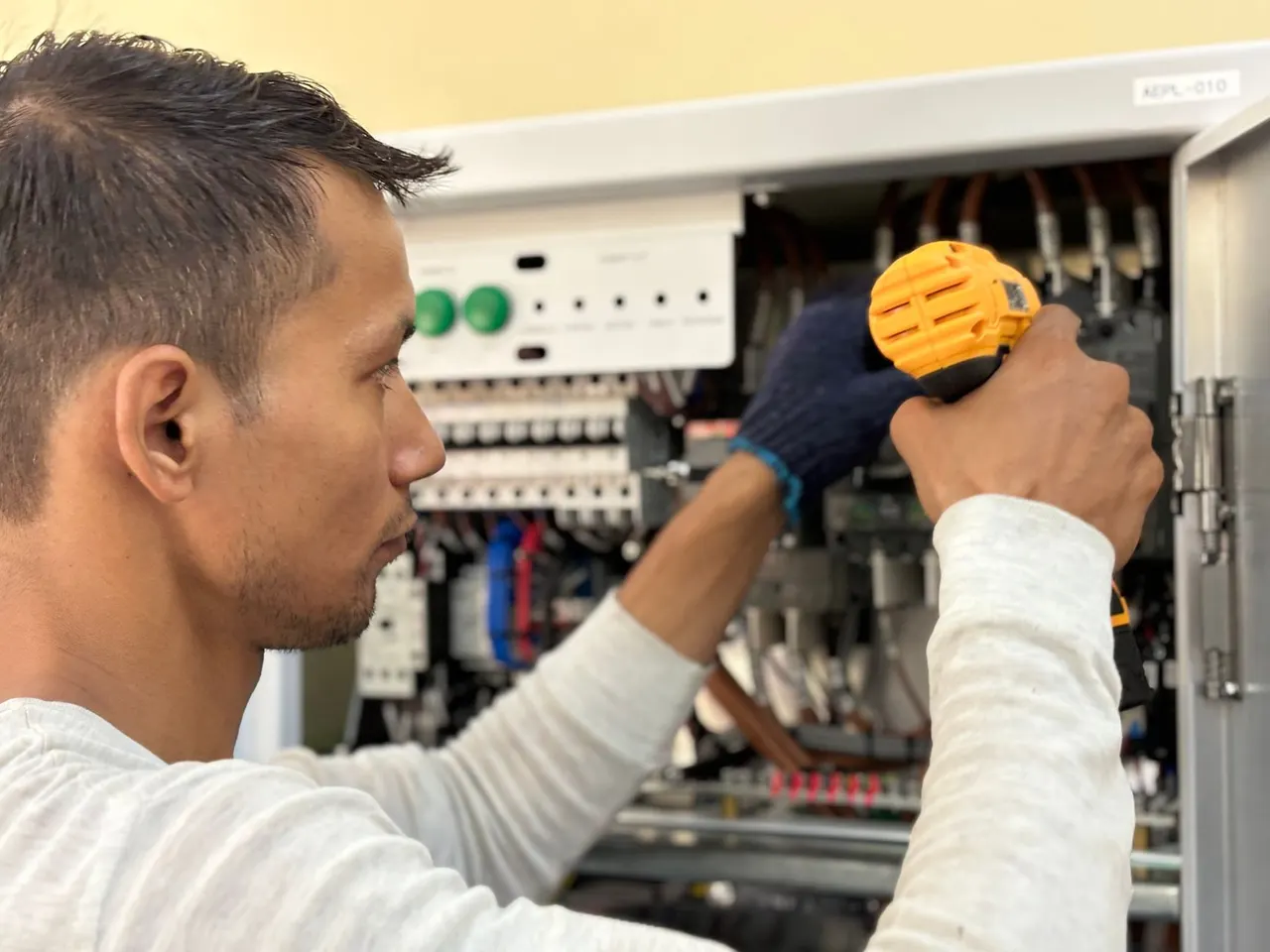
Electrical Troubleshooting & Repair Citrus Heights CA is the diagnostic work of finding why a circuit, device, or panel is misbehaving and correcting it to code. We start with a voltage tester and multimeter at the panel, isolate the affected branch, then work outward through outlets, switches, and junction boxes until the fault is located. A tripping AFCI breaker, a warm receptacle, or a dead bedroom circuit each tells a different story, and we follow the evidence rather than guessing.
Most Citrus Heights homes we visit were built between the 1950s and 1990s, so we regularly run into aluminum wiring, overloaded circuits, and panels that were never sized for today's load. If you have been searching for electrical repair near me Citrus Heights because your kitchen outlets quit again, we can usually schedule same-day Electrical Troubleshooting Citrus Heights CA and give you a straight answer on what failed and what it costs to correct.
We find the fault first, then fix it once, to code.
Five steps, start to finish. You will know what we found, what it costs, and when the power comes back on before we pick up a tool.
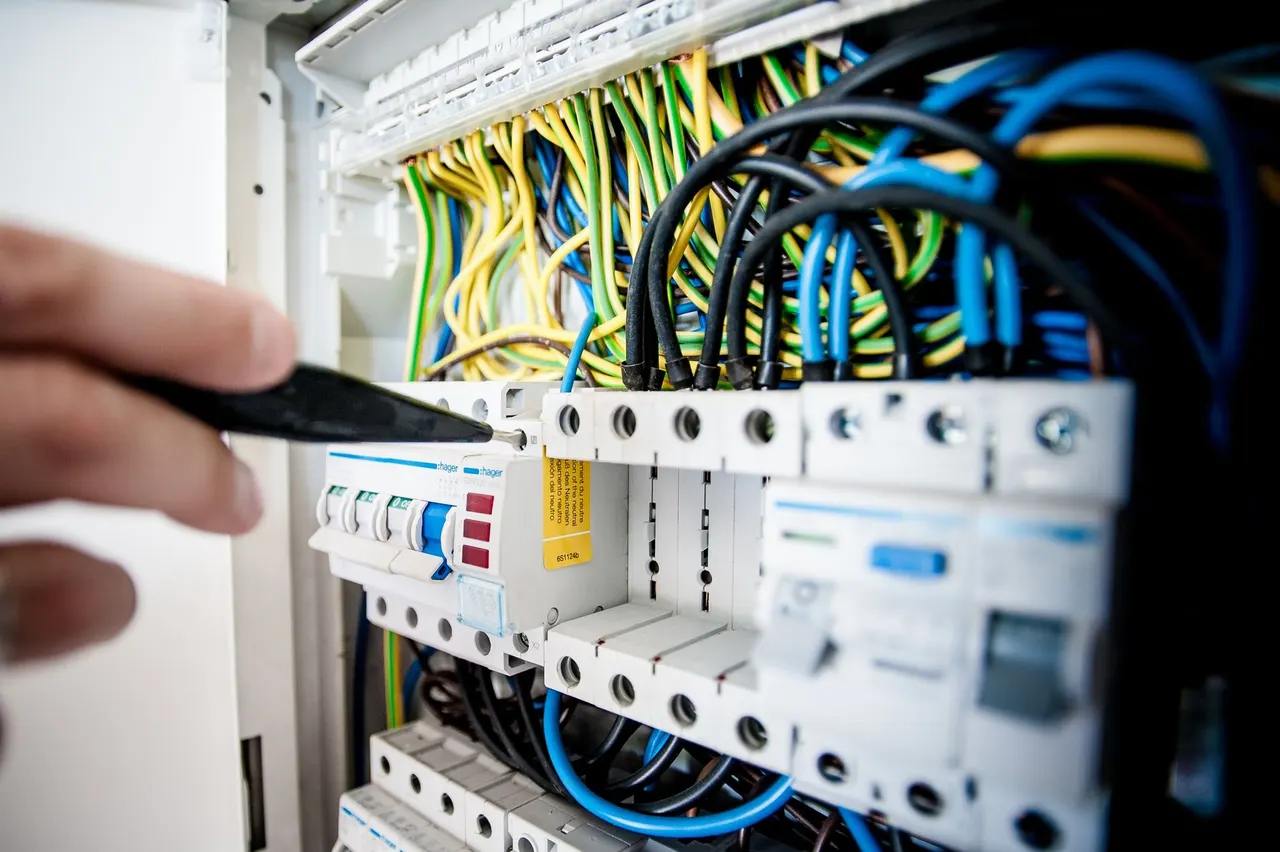
You describe the symptom: which rooms lost power, whether the breaker trips immediately or after a few minutes, and any burning smell or warm outlet. That detail lets us load the right breakers and testers before we roll, which saves 20 to 30 minutes on site.
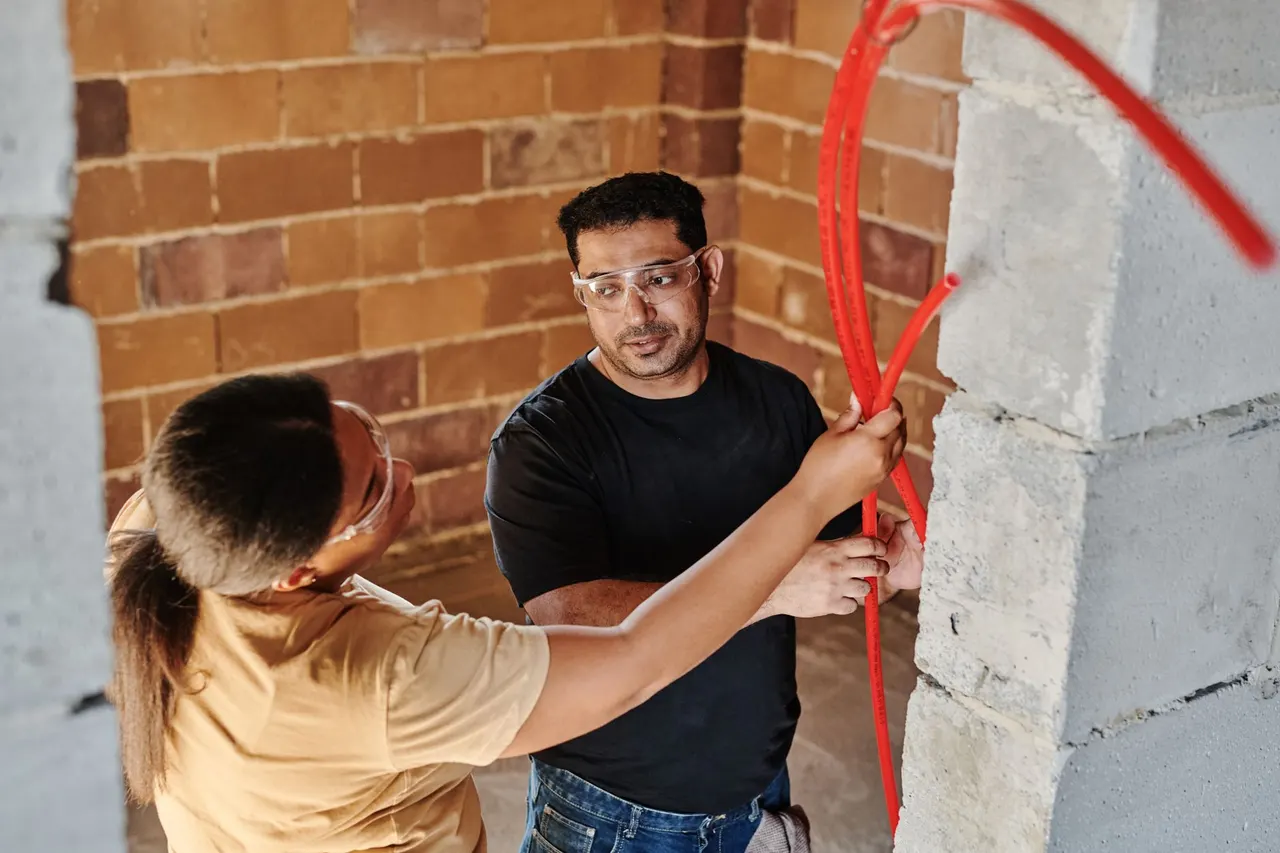
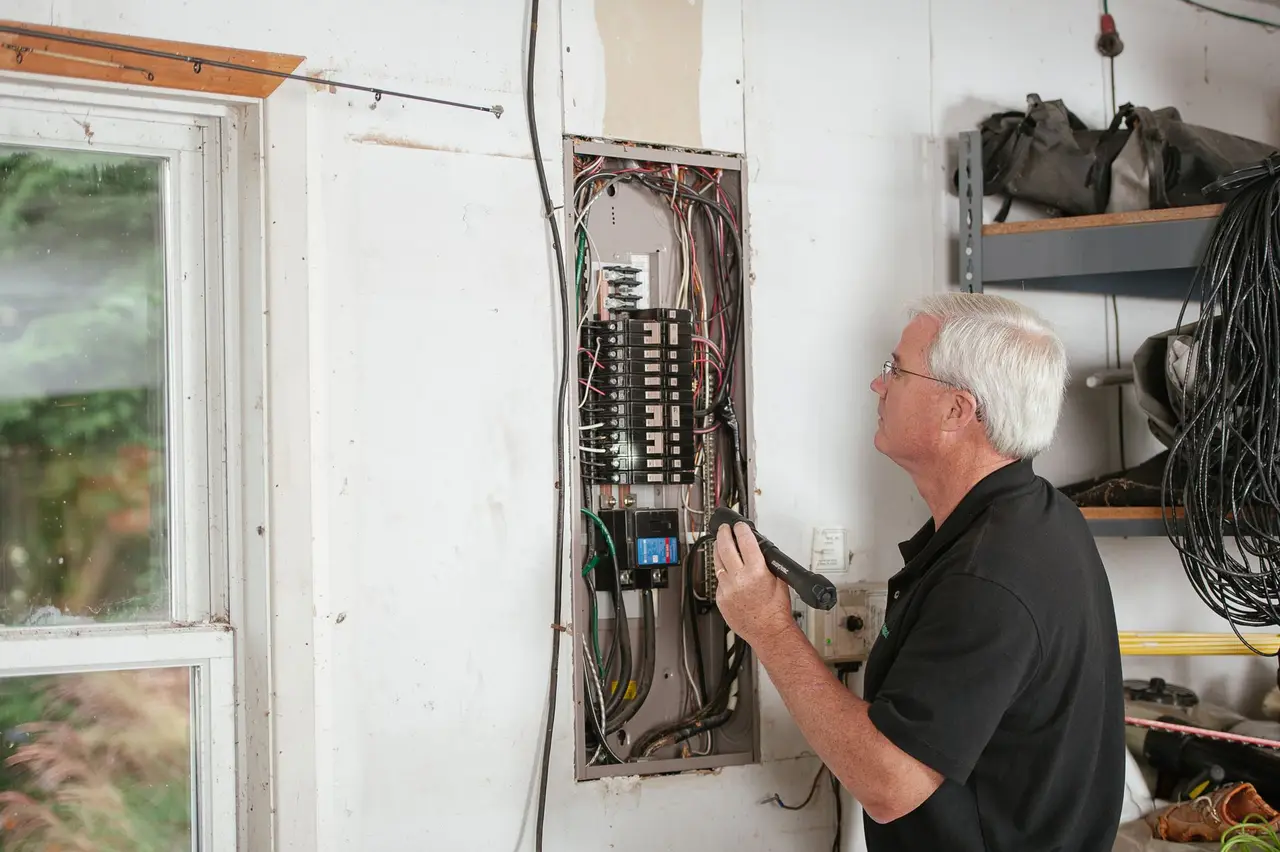
We open the panel and check breaker condition, bus bar tightness, and load balance with a clamp meter. A Square D or Eaton panel that has been running hot will show discoloration at the breaker terminals, and that alone can explain a circuit that keeps dropping out.
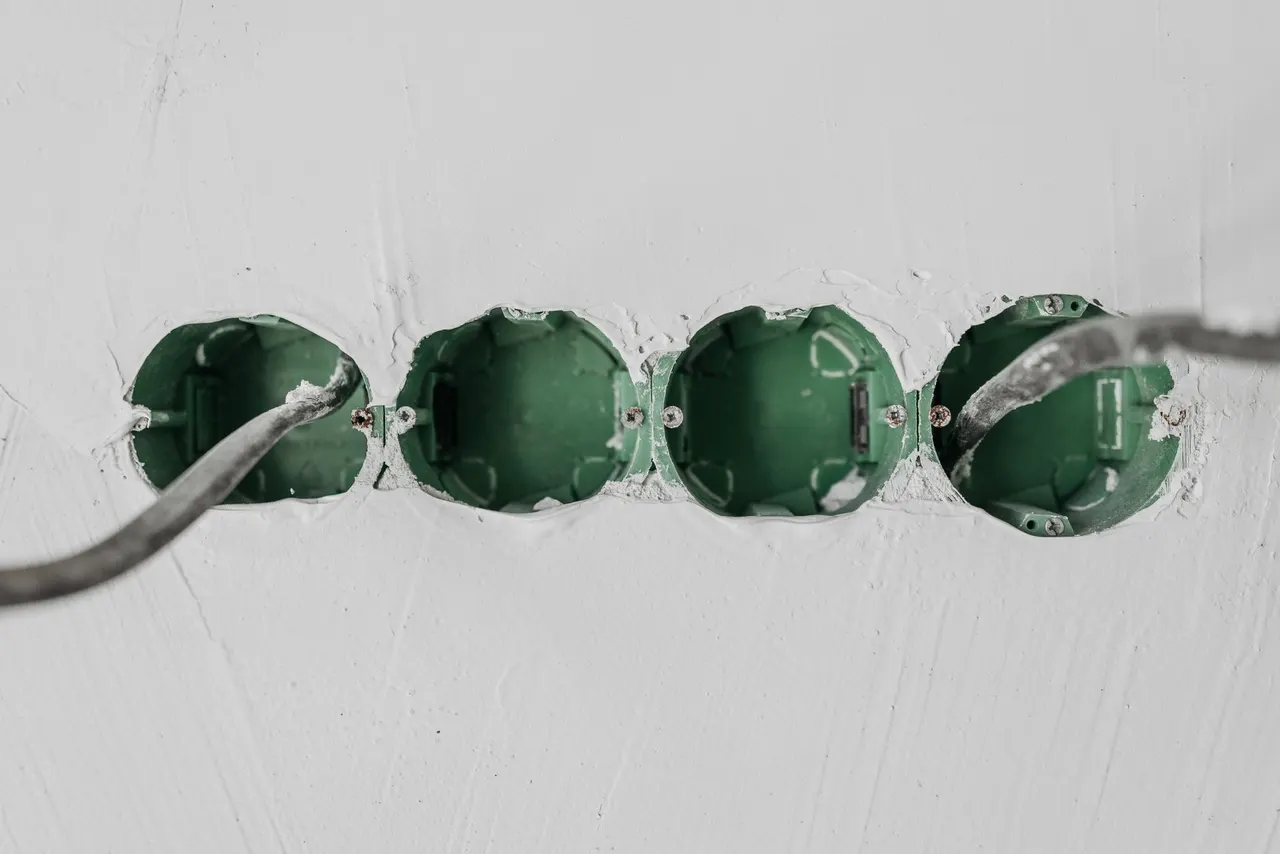
Using a circuit breaker finder and voltage tester, we map which outlets and fixtures sit on the affected branch. In older Citrus Heights homes, this step often reveals that a bedroom, hallway, and garage outlet all share one 15-amp circuit, which is why adding a space heater trips it.
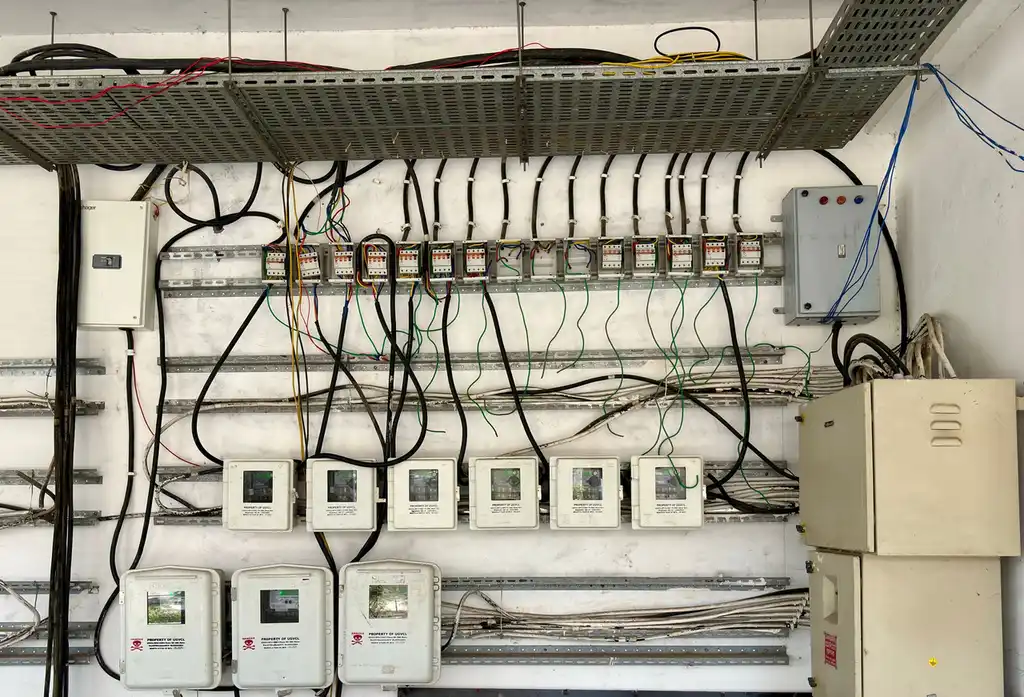
We disconnect devices one at a time to isolate the short, ground fault, or failed splice. A short circuit usually shows up as a sudden drop in resistance, while a loose neutral reads as flickering under load. This is where most of the diagnostic time goes, typically 30 to 60 minutes.
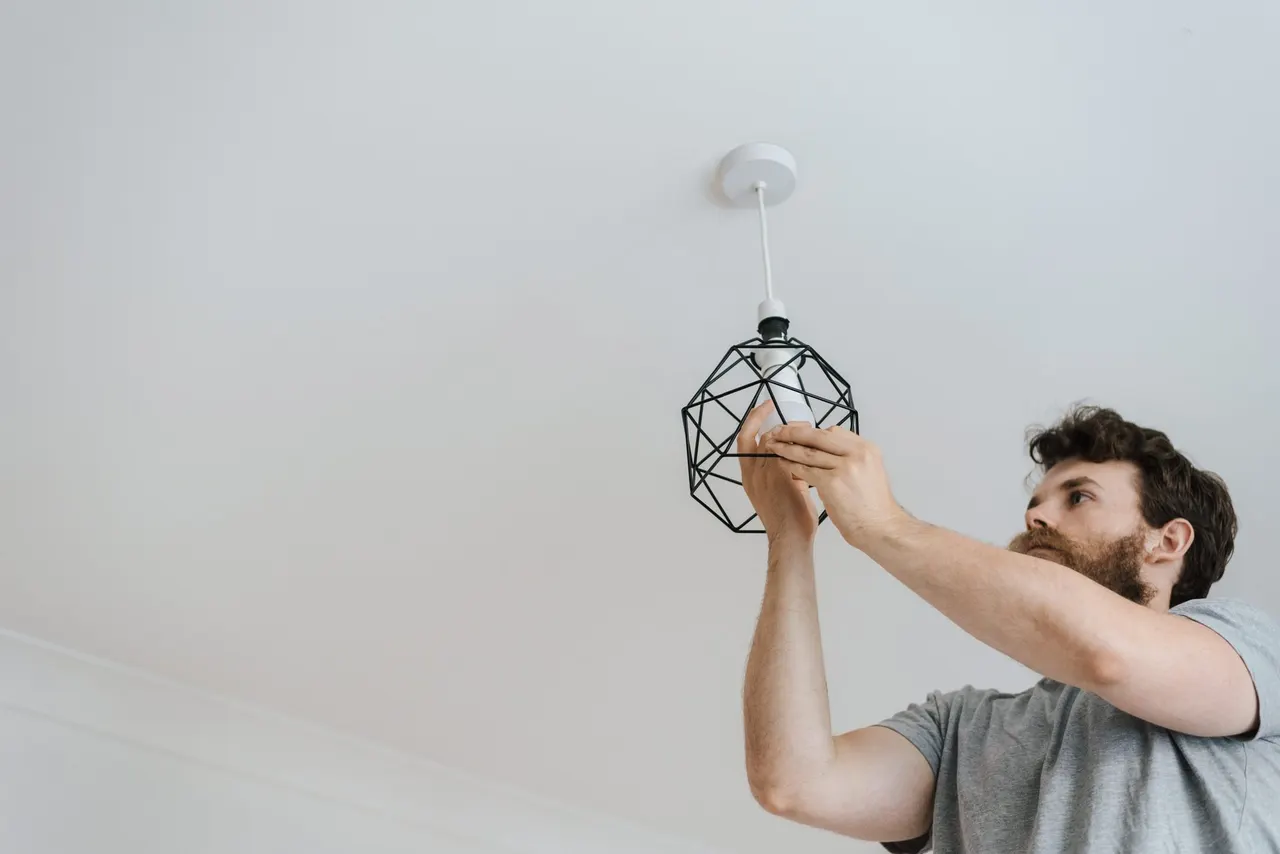
We replace the failed breaker, receptacle, or splice, then load-test the circuit with a space heater or heat gun to confirm it holds. You get a walkthrough of what failed, what we replaced, and any circuit that should be split before next summer.
Measures voltage, continuity, and resistance to confirm whether a circuit is open, shorted, or grounded. It is the first tool out of the bag on nearly every call.

Reads actual current on a branch without disconnecting anything. We use it to confirm whether a breaker is tripping from real overload or from a fault.
Maps which outlets and fixtures sit on which breaker. Essential in older Citrus Heights homes where the panel labeling has long since stopped being accurate.
Verifies that GFCI receptacles trip and reset correctly, and identifies which downstream outlets are protected by an upstream device.
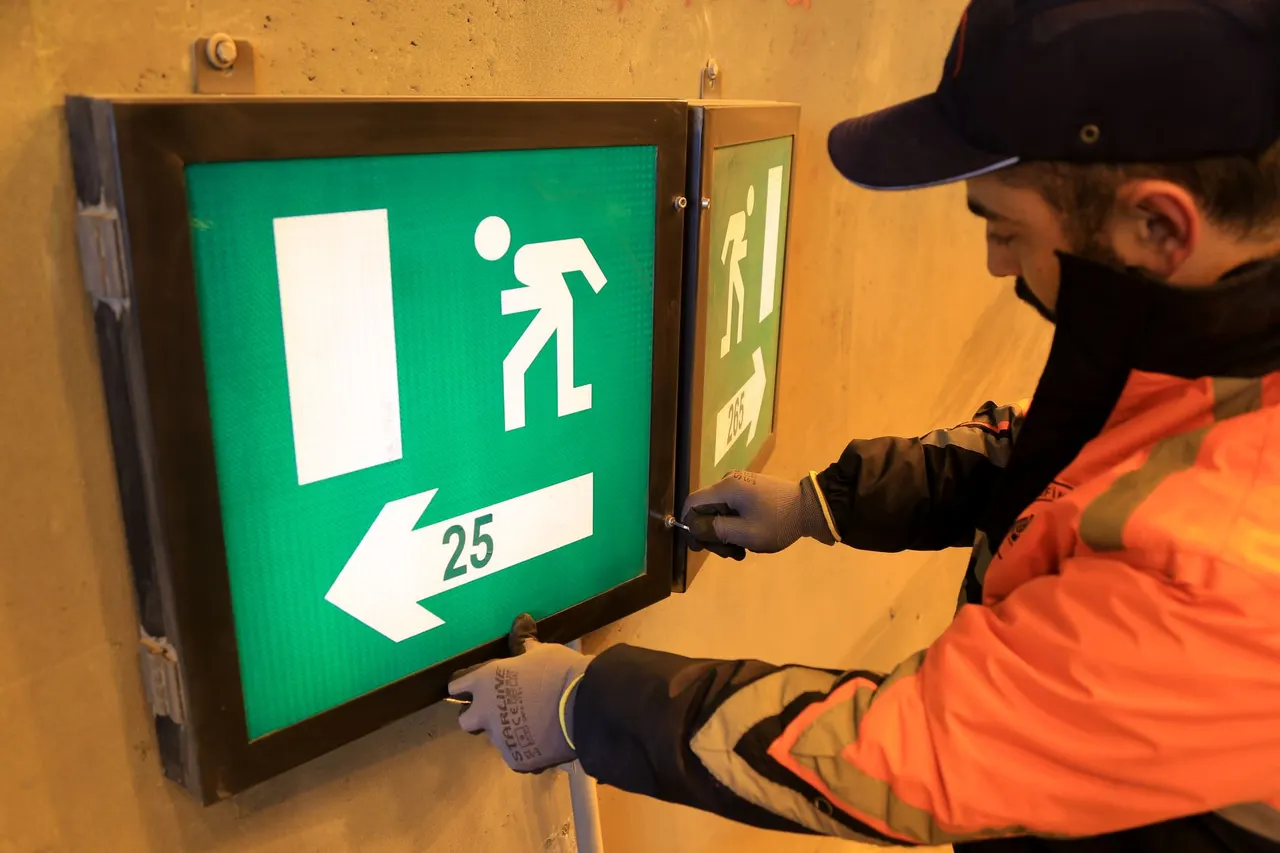
Rated for 1,000 volts, used for safe work inside panels and device boxes. Insulation matters when you are working near live conductors.
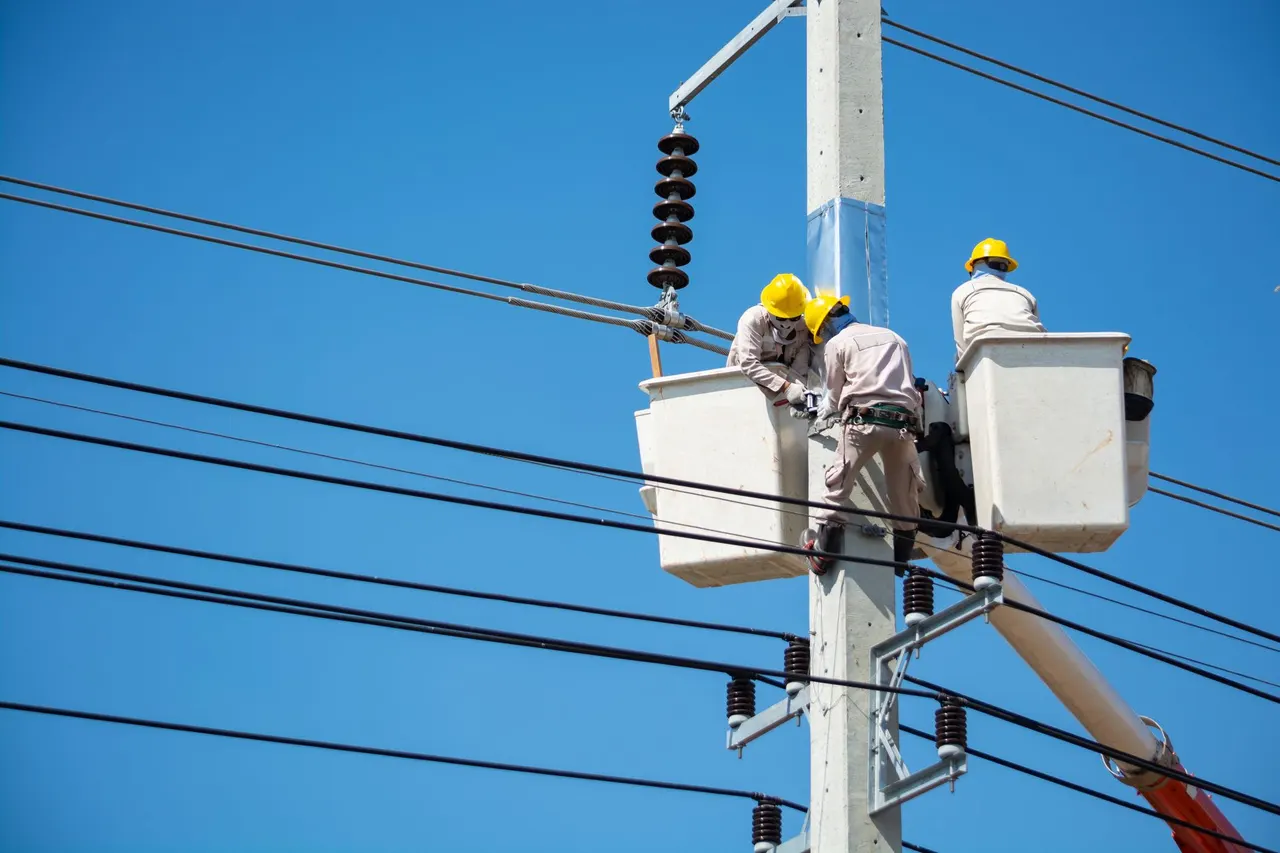
Pulls new conductors through finished walls when a damaged cable needs replacement without tearing out drywall.
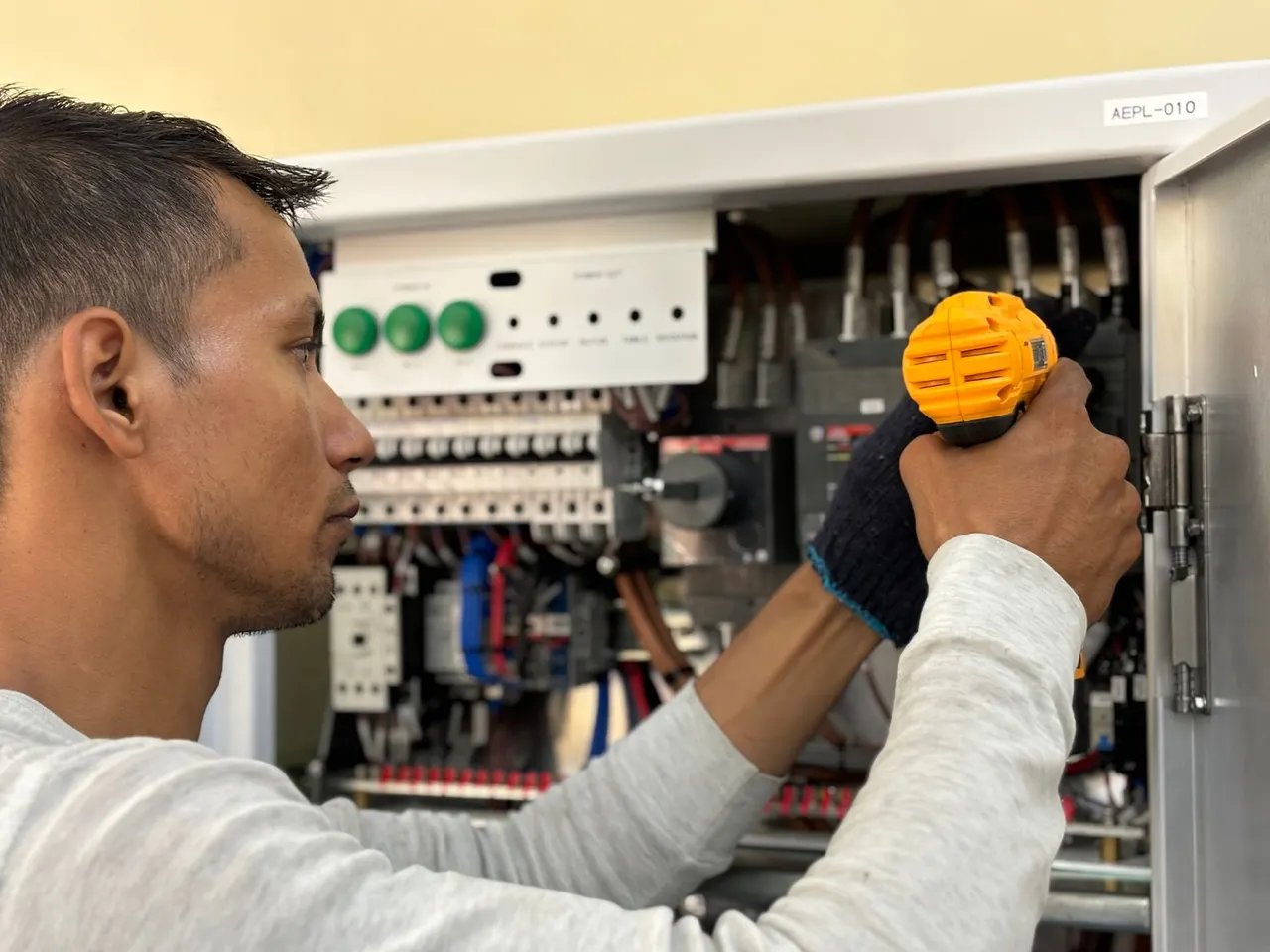
Confirms a circuit is dead before we touch it. Every repair starts with a verified de-energized circuit, no exceptions.
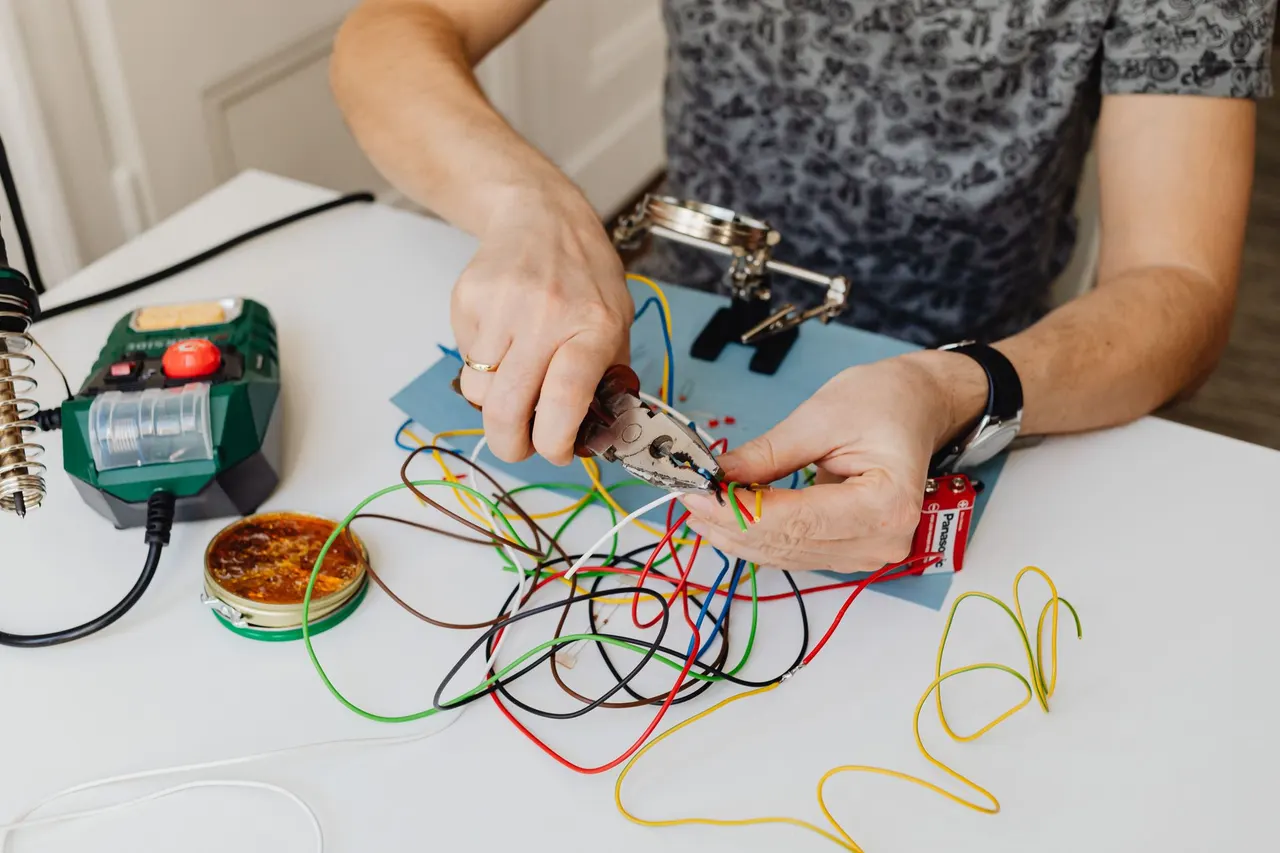
Every repair follows National Electrical Code requirements, including AFCI protection on bedroom circuits, GFCI protection in kitchens and baths, and proper grounding and bonding. We document what changed so future inspections pass without a fight.
We measure the actual load on the circuit, confirm whether the breaker is weak or the circuit is simply overloaded, and either replace the breaker or add a dedicated circuit for the heater. You get a circuit that carries the load without tripping, and a clear picture of what else shares that branch.
We test the GFCI, check downstream receptacles for damage, and replace the failed device with a new Leviton GFCI. If the wiring behind the box shows heat damage, we repair that too. Kitchen power is restored the same visit, with GFCI protection that actually resets and holds.
We troubleshoot the circuit, measure voltage drop at the panel, and give you a straight recommendation on whether a panel upgrade is needed now or can wait. You know exactly what is causing the dimming and what it costs to fix, without pressure to buy a panel you do not need yet.
We cut power to the circuit, open the device, and inspect for arcing damage. Carbonized receptacles and splices are replaced, and any damaged cable is cut back and re-terminated. The fire risk is removed, the circuit is restored, and you get a written record of what was replaced.
Citrus Heights sits in Sacramento County, where summer heat pushes residential electrical systems hard from June through September. Air conditioners, pool pumps, and space heaters in winter all stress circuits that were sized for a much lighter load. Much of the housing stock dates from the 1950s through the 1980s, so we regularly find aluminum branch wiring, backstabbed receptacles, and 100-amp panels running near capacity. If you have been searching for electrical repair near me Citrus Heights CA because your breaker trips every hot afternoon, that pattern usually points to a circuit that needs to be split or a breaker that has weakened from years of heat cycling. We also see a lot of nuisance AFCI trips in newer homes, which we trace to shared neutrals or a failing appliance rather than the breaker itself. Our trucks carry the common Square D, Eaton, and Siemens breakers so most repairs finish the same visit.
A homeowner in Birdcage Heights had three bedroom outlets and the hallway light go dead after a vacuum cleaner sparked. The breaker was not tripped, and two other electricians had told her the circuit needed a full rewire.
We traced the branch to a failed backstab connection at the first outlet in the chain. Replacing that receptacle with a Leviton side-wired device restored power to all three outlets and the hallway light in under 90 minutes. Total cost: $285.
We recommended replacing the remaining backstabbed outlets on that circuit over time. Backstab connections loosen with heat cycling, and side-wired devices hold up far better.
A family in Crosswoods had a bedroom AFCI breaker tripping two or three times a week, usually at night. They had already replaced the breaker once with no change, and were considering running a new circuit.
We isolated the branch and found a shared neutral between the bedroom and hallway circuits, a common wiring shortcut. Correcting the neutral separation and re-terminating the AFCI stopped the trips completely. No new circuit needed.
We labeled the panel clearly so future work does not reintroduce the shared neutral. If trips return, the first step is checking for a new appliance on the branch.
A Mesa Verde homeowner could not run the microwave and coffee maker at the same time without tripping the breaker. The kitchen had six outlets on one 15-amp circuit, plus the dining room on the same branch.
We added a dedicated 20-amp circuit for the countertop appliances and moved four outlets onto it. The original circuit now carries only the dining room and lighting. No more tripping, even with the microwave, coffee maker, and toaster running together.
We gave the homeowner a panel map showing which outlets are on each circuit. Knowing the split prevents accidentally loading one branch again.
Most troubleshooting calls fall into a handful of patterns. Recognizing them early is what makes diagnosis fast and repairs durable.
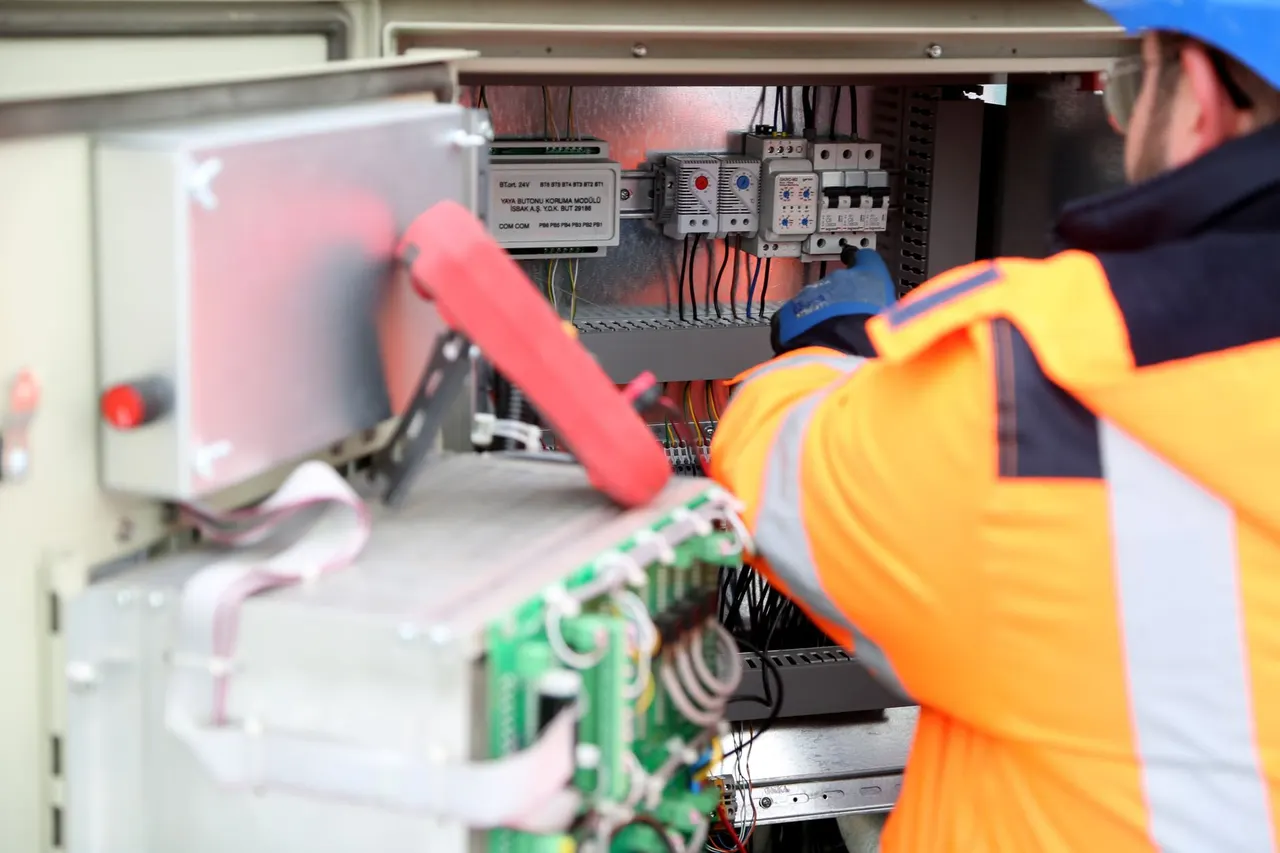
We trace the branch from the panel outward, test each device, and find the break. Most dead-outlet calls are resolved with a new GFCI receptacle, a corrected backstab connection, or a repaired junction box splice, usually within an hour on site. A dead outlet often means a failed splice or a tripped GFCI upstream. Ignoring it can leave a circuit running hot behind the wall, which is a real fire risk in older homes.
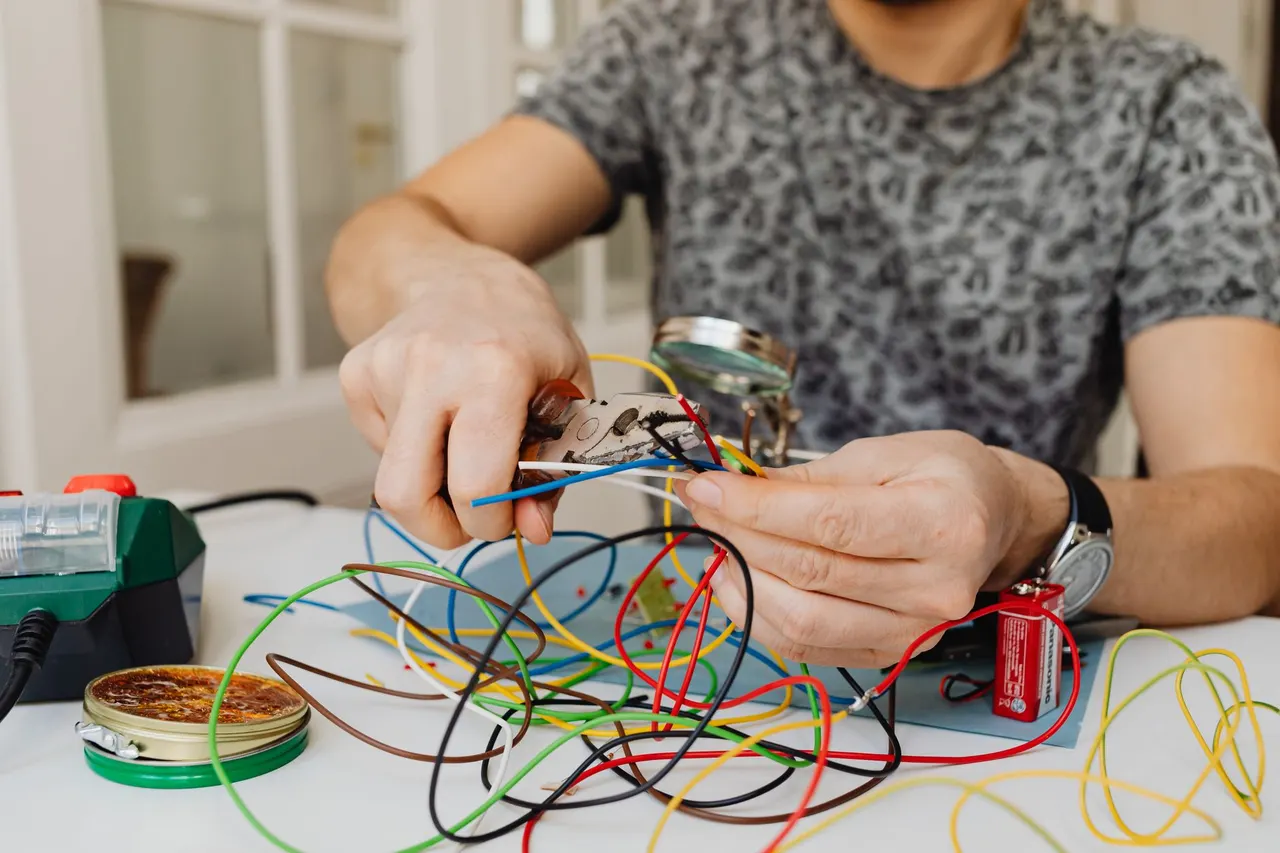
We measure actual load with a clamp meter, check the breaker for heat damage, and either replace the breaker or recommend splitting the circuit. In many Citrus Heights homes, adding a dedicated circuit for the kitchen or laundry solves the problem permanently. A breaker that trips with the usual appliances is telling you the circuit is overloaded or the breaker has weakened. Left alone, it will keep tripping and can mask a developing short.
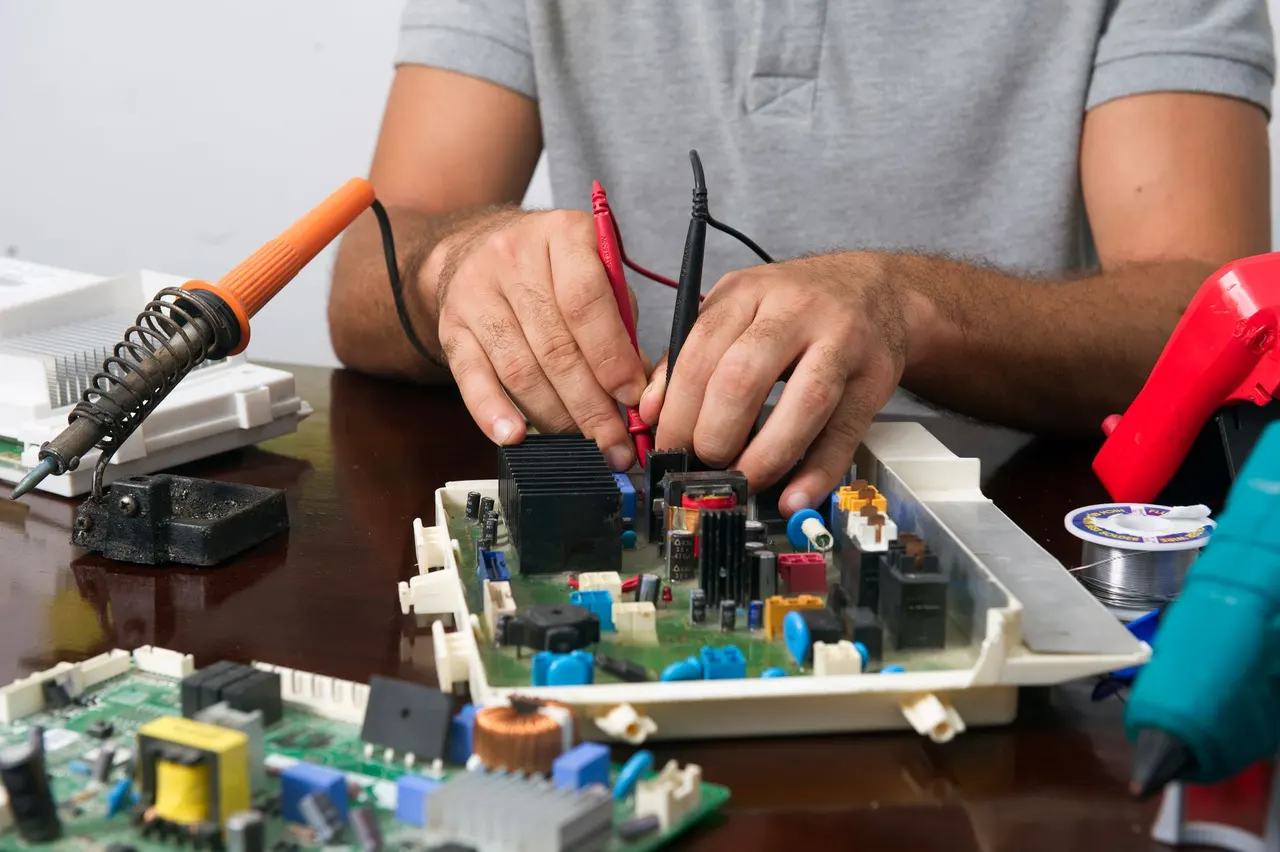
We check neutral terminations at the panel and at each device on the branch, then tighten or replace as needed. If the issue is a shared circuit, we map the load and recommend a dedicated run. Flickering that follows a fridge, AC, or dryer usually points to a loose neutral or an undersized circuit. It stresses electronics and can indicate a failing connection at the panel.
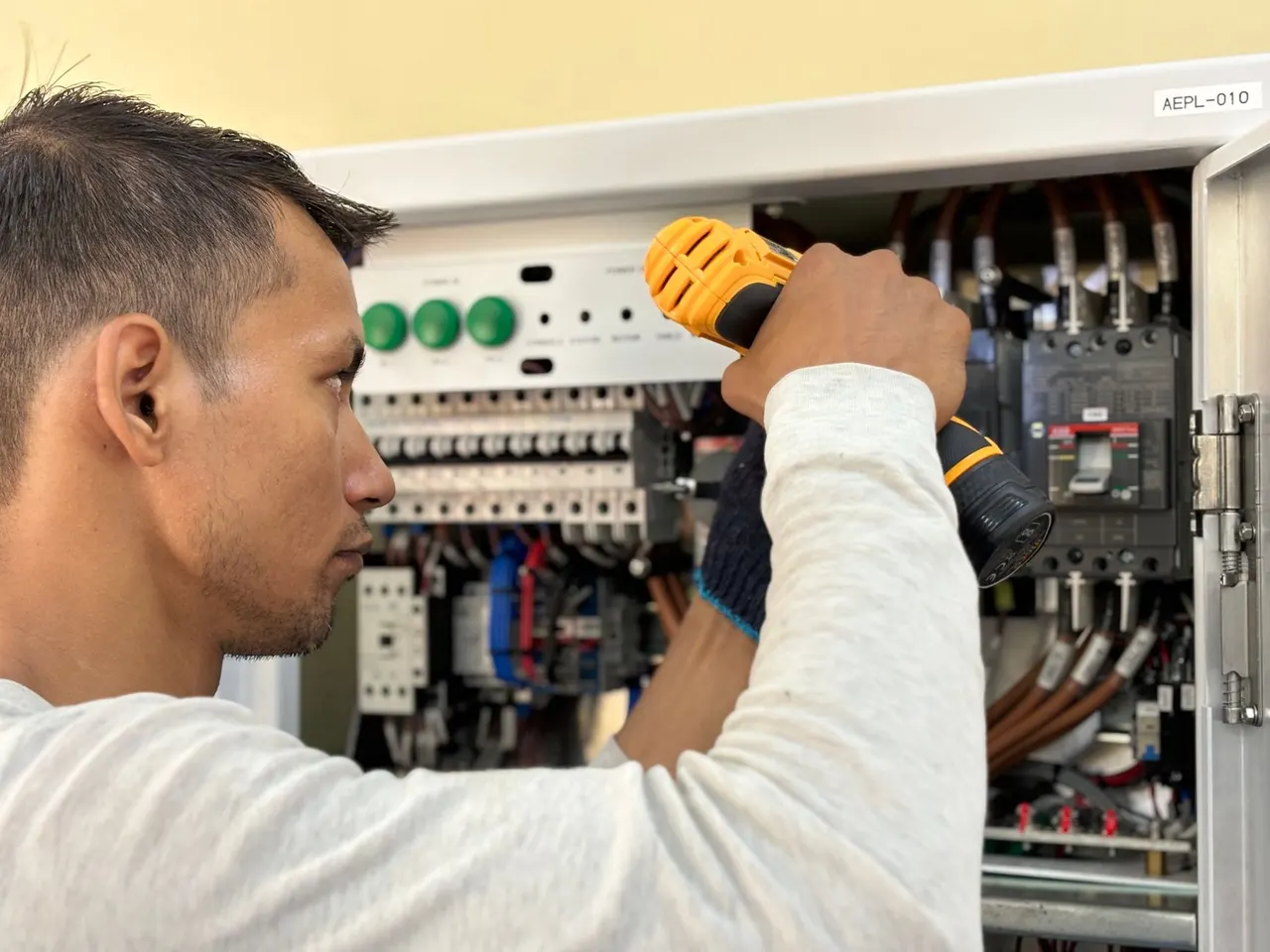
We shut the circuit down, inspect the device and box, and replace any carbonized receptacle, wire nut, or splice. If the damage extends into the cable, we replace that section with new Romex and re-terminate to code. Heat at an outlet means resistance, and resistance means arcing. This is the most urgent troubleshooting call we get because it can start a fire inside the wall.
Most troubleshooting calls booked before noon get a technician the same day. We arrive with a Fluke multimeter, clamp meter, and GFCI tester on the truck, so roughly 8 out of 10 faults are found and repaired in one visit without a return trip.
Every repair follows NEC and California code, whether that means installing an AFCI breaker on a bedroom circuit or replacing a worn Leviton receptacle with a properly grounded GFCI. We document what changed so future inspections go smoothly.
You approve the price before we start. A simple dead outlet might run $150 to $250, while tracing a short circuit through attic wiring can reach $600. No surprise line items, no upselling a panel you do not need yet.
Knob and tube wiring, aluminum branch circuits, and undersized 100-amp panels are common in Citrus Heights. We know how these systems fail and how to repair them without creating a new problem two rooms over.
Clear records you can keep and share.
What failed, what we tested, and what we replaced
Approved before any work begins
Confirmed to hold under real demand
A tripping breaker is a symptom, not the problem. Knowing what changed before it started tripping helps us diagnose faster and quote more accurately.
Does the breaker trip instantly, or after a few minutes of use? Instant trips usually mean a short or ground fault. Delayed trips point to overload or a weak breaker.
In many Citrus Heights homes, a bedroom, hallway, and garage outlet share one circuit. Adding a heater or vacuum to that branch is often what pushes it over the limit.
If a breaker trips again immediately after reset, stop and call. Repeated resets on a real fault can damage the breaker and stress the wiring behind the wall.
Outside these areas? Call and ask, we may still reach you. (866) 273-0386
Most residential troubleshooting calls in Citrus Heights run $150 to $450 in 2026, depending on how long the fault takes to isolate and what parts are needed. A simple dead outlet or failed GFCI sits at the low end. Tracing a short circuit through attic or crawlspace wiring, or diagnosing an intermittent breaker trip, pushes toward the higher end. You approve the price before we start work.
A breaker that trips repeatedly is doing its job: it is sensing an overload, a short circuit, or a ground fault. In older Citrus Heights homes, the usual cause is too many devices on one 15-amp circuit, especially when a space heater or window AC joins a bedroom and hallway. If it trips with nothing new plugged in, we test for a failing appliance, a damaged conductor, or a worn breaker.
Yes. We isolate the affected branch at the panel, then use a multimeter and circuit breaker finder to narrow the fault to a specific device, splice, or cable run. Most shorts are found in 30 to 60 minutes. Common culprits include a staple driven through Romex, a failed splice in a junction box, or a receptacle that has overheated and carbonized behind the wall plate.
We do. Calls booked before noon typically get a technician the same day, and we keep common breakers, GFCI receptacles, and outlets on the truck so most repairs finish in one visit. For emergencies like sparking outlets or a burning smell at the panel, call (866) 273-0386 and we will prioritize getting your power safe.
Call (866) 273-0386 and we will get a technician moving. We diagnose the fault, quote the repair before we start, and stand behind the work. Same-day appointments are available for most calls booked before noon.
Call us at (866) 273-0386 or send an email to info@grayandsonselectrical.com. We answer the phone during business hours and triage emergency calls after hours. Most repair jobs get scheduled same-day or next-day, and panel work gets a written quote before we order anything.